
Alberta
Premier Smith says Auto Insurance reforms may still result in a publicly owned system

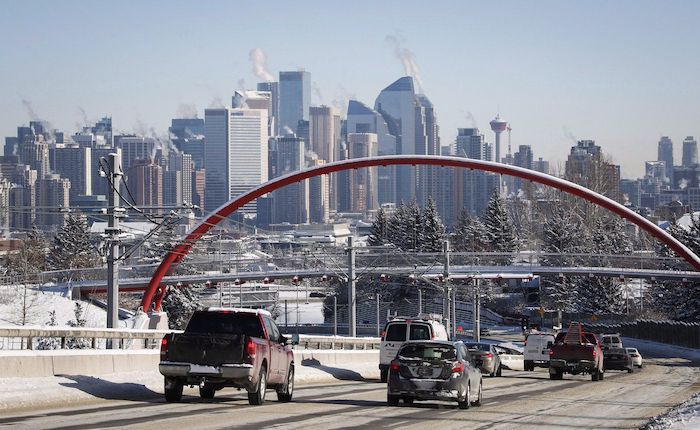


Better, faster, more affordable auto insurance
Alberta’s government is introducing a new auto insurance system that will provide better and faster services to Albertans while reducing auto insurance premiums.
After hearing from more than 16,000 Albertans through an online survey about their priorities for auto insurance policies, Alberta’s government is introducing a new privately delivered, care-focused auto insurance system.
Right now, insurance in the province is not affordable or care focused. Despite high premiums, Albertans injured in collisions do not get the timely medical care and income support they need in a system that is complex to navigate. When fully implemented, Alberta’s new auto insurance system will deliver better and faster care for those involved in collisions, and Albertans will see cost savings up to $400 per year.
“Albertans have been clear they need an auto insurance system that provides better, faster care and is more affordable. When it’s implemented, our new privately delivered, care-centred insurance system will put the focus on Albertans’ recovery, providing more effective support and will deliver lower rates.”
“High auto insurance rates put strain on Albertans. By shifting to a system that offers improved benefits and support, we are providing better and faster care to Albertans, with lower costs.”
Albertans who suffer injuries due to a collision currently wait months for a simple claim to be resolved and can wait years for claims related to more serious and life-changing injuries to addressed. Additionally, the medical and financial benefits they receive often expire before they’re fully recovered.
Under the new system, Albertans who suffer catastrophic injuries will receive treatment and care for the rest of their lives. Those who sustain serious injuries will receive treatment until they are fully recovered. These changes mirror and build upon the Saskatchewan insurance model, where at-fault drivers can be sued for pain and suffering damages if they are convicted of a criminal offence, such as impaired driving or dangerous driving, or conviction of certain offenses under the Traffic Safety Act.
Work on this new auto insurance system will require legislation in the spring of 2025. In order to reconfigure auto insurance policies for 3.4 million Albertans, auto insurance companies need time to create and implement the new system. Alberta’s government expects the new system to be fully implemented by January 2027.
In the interim, starting in January 2025, the good driver rate cap will be adjusted to a 7.5% increase due to high legal costs, increasing vehicle damage repair costs and natural disaster costs. This protects good drivers from significant rate increases while ensuring that auto insurance providers remain financially viable in Alberta.
Albertans have been clear that they still want premiums to be based on risk. Bad drivers will continue to pay higher premiums than good drivers.
By providing significantly enhanced medical, rehabilitation and income support benefits, this system supports Albertans injured in collisions while reducing the impact of litigation costs on the amount that Albertans pay for their insurance.
“Keeping more money in Albertans’ pockets is one of the best ways to address the rising cost of living. This shift to a care-first automobile insurance system will do just that by helping lower premiums for people across the province.”
Quick facts
- Alberta’s government commissioned two auto insurance reports, which showed that legal fees and litigation costs tied to the province’s current system significantly increase premiums.
- A 2023 report by MNP shows

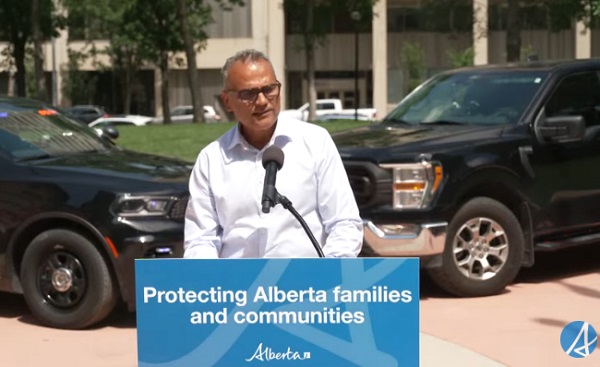
Sat Parhar has been appointed as the first chief of the Independent Agency Police Service, marking the next step toward a new municipal policing option.
The appointment of a new chief for the Independent Agency Police Service (IAPS) marks the next step in giving municipalities a new option for local policing and builds on the work already underway for the agency to assume the police-like duties currently carried out by the Alberta Sheriffs. The IAPS will empower municipalities to adopt strategies that effectively respond to their specific safety concerns, enhancing public safety across the province.
Chief Parhar brings more than 25 years of policing experience, including senior roles with the Calgary Police Service, most recently as deputy chief. His frontline policing experience and deep understanding of Alberta’s complex and diverse public safety landscape positions him to lead the agency as it takes shape and begins its work as a new municipal policing option, keeping communities safe.
Once operational, the agency will strengthen Alberta’s existing policing model and complement the province’s current police services, which includes the RCMP, Indigenous policing services and municipal police. It will help fill gaps and ensure law enforcement resources are deployed efficiently to meet Alberta’s evolving public safety needs and improve law enforcement response times, particularly in rural communities.
“Appointing Chief Sat Parhar is a key milestone in Alberta’s plan to give municipalities a real choice in how their communities are kept safe. This is about building a modern police service that reflects the priorities of Albertans, strengthens local decision-making, and ensures every corner of our province, especially rural areas, can count on responsive, effective law enforcement. With his decades of experience and deep understanding of Alberta’s policing landscape, he is the right leader to bring this vision to life.”
“This appointment signifies a significant step forward in our efforts to establish a more robust, community-focused policing model that is better equipped to meet the unique needs of our local residents. Under Chief Parhar’s visionary leadership, we are confident that we will develop a modern, efficient police service that not only enhances public safety but also aligns closely with the priorities and values of Albertans. His experience and commitment are vital in shaping an IAPS that is responsive, transparent, and dedicated to fostering trust and collaboration within the community, ultimately ensuring a safer and more connected society for all.”
Chief Parhar’s immediate priorities will be to hire an executive team and commence organizational planning such as developing key recruitment, training and other operational policies. Chief Parhar’s appointment is the first step of many to establishing the IAPS.
“It’s an honour to take on this role and help shape a modern police service built for Alberta. My focus from day one will be on setting high standards for professionalism, building strong relationships with our partners and ensuring this service reflects the needs and priorities of the communities we serve.”
The Independent Agency Police Service was formally created through regulation following the passing of Public Safety Statutes Amendment Act, 2024. The agency will operate as an independent Crown corporation, and will be renamed the Alberta Sheriffs Police Service, with its head office located in Calgary. The IAPS will be operationally independent from the provincial government with civilian oversight, consistent with all police services in Alberta.
“When it comes to policing, municipalities like ours deserve a choice – especially when the current system leaves us disadvantaged simply because of our size. We look forward to learning more about what that alternative will look like once an Alberta police agency is fully established and the options are clear. For us, this is about fairness, sustainability, and ensuring municipalities have access to policing solutions that reflect both their needs and their realities.”
Quick facts
- The regulation establishes the IAPS Provincial Corporation and its governance structure including board of directors, board of director powers, financial responsibilities and accountabilities.
Related news
- Expanding municipal police service options (April 7, 2024)
Alberta
Pierre Poilievre – Per Capita, Hardisty, Alberta Is the Most Important Little Town In Canada


From Pierre Poilievre


What Connor Should Say To Oilers: It’s Not You. It’s Me.
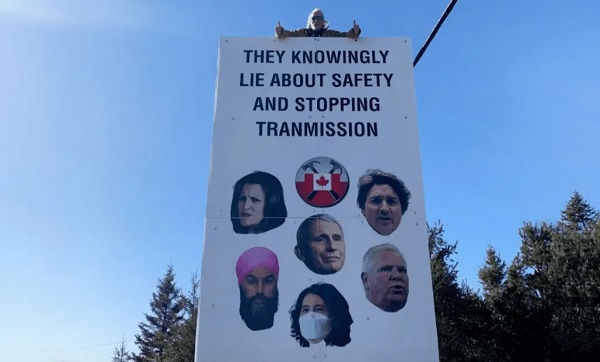
Ontario man launches new challenge against province’s latest attempt to ban free expression on roadside billboards
Federal fiscal anchor gives appearance of prudence, fails to back it up

Ottawa Funded the China Ferry Deal—Then Pretended to Oppose It
-
Business1 day ago
Ottawa Funded the China Ferry Deal—Then Pretended to Oppose It
-
 COVID-192 days ago
New Peer-Reviewed Study Affirms COVID Vaccines Reduce Fertility
-
 MAiD1 day ago
Canada’s euthanasia regime is not health care, but a death machine for the unwanted
-
 Alberta2 days ago
The permanent CO2 storage site at the end of the Alberta Carbon Trunk Line is just getting started
-
 Business1 day ago
World Economic Forum Aims to Repair Relations with Schwab
-
 Alberta1 day ago
Alberta’s government is investing $5 million to help launch the world’s first direct air capture centre at Innisfail
-
 Business1 day ago
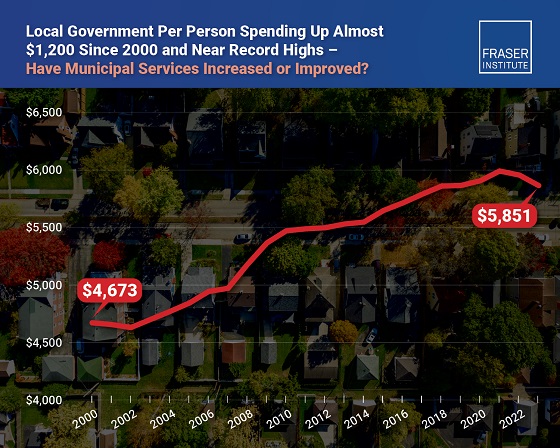
Municipal government per-person spending in Canada hit near record levels
-
 Business1 day ago
A new federal bureaucracy will not deliver the affordable housing Canadians need