
Alberta
Alberta wildfire situation: Update 3

As of Saturday afternoon, more than 24,000 individuals have been evacuated from communities throughout north and central Alberta.
Those evacuated due to wildfires are asked to register at local reception centres or at emergencyregistration.alberta.
Current situation
- Alberta has declared a provincial state of emergency. Visit Alberta.ca/emergency for information or call 310-4455.
- Mandatory evacuation orders are in effect for the following areas. Please check alberta.ca/emergency or download the Alberta Emergency Alert mobile app for complete information:
- Parts of Brazeau County. Evacuees should register in Edmonton at the Expo Centre, Hall C, at 7515 118 Avenue.
- Parts of Northern Sunrise County.
- Parts of Mackenzie County. Evacuees should register at the High Level Rural Hall.
- The entire Town of Rainbow Lake. Evacuees should register in High Level at the High Level Arena, at 10101 105 Avenue.
- Fox Creek, Little Smoky and surrounding areas. Evacuees should register at the Allan and Jean Millar Centre, at 58 Sunset Boulevard in Whitecourt.
- Parts of Sturgeon Lake Cree Nation and the Municipal District of Greenview. Evacuees should register at Memorial Hall, 4808 50 Street in Valleyview.
- Parts of the County of Grande Prairie. Evacuees should register at the Bonnets Energy Centre, 10017 99 Avenue, Grande Prairie.
- Parts of Big Lakes County. Evacuees should register at Elks Rodeo Hall on Highway 749.
- Parts of Lac Ste Anne County. Evacuees should register at the Mayerthorpe Diamond Centre, at 4184 54 Street.
- Parts of Yellowhead County, including the Town of Edson.
- The communities of Whitefish River and Aitkameg. Evacuees should register at the Town of Slave Lake office, at 10 Main Street, Slave Lake.
- The Hamlet of Entwistle. Evacuees should register at Wabamun Jubilee Hall, at 5132 53 Avenue in Wabamun.
- Parkland County and the Hamlet of Entwistle. Evacuees should register at Wabamun Jubilee Hall at 5132 53 Avenue in Wabamun.
- Residents of the following areas should be prepared to evacuate on short notice:
- The Grovesdale area of the Municipal District of Greenview
- The area west of Beaverdam Provincial Recreation Area and east of the Bighorn Dam, including the hamlet of Nordegg.
- Parts of the County of Grande Prairie, including Pipestone Creek area.
- The town of High Prairie.
- Parts of Wetaskiwin County.
- Sixteen declared states of local emergency and two band council resolution include:
- Big Lakes County
- Brazeau County
- County of Grande Prairie
- Clear Hills County
- Clearwater County
- Drayton Valley
- Town of Edson
- MD of Fairview
- Town of High Prairie
- Northern Sunrise County
- East Prairie Metis Settlement
- Saddle Hills County
- Lac St. Anne County
- Parkland County
- Rainbow Lake
- Yellowhead County
- The Little Red River Cree Nation (Fox Lake) has declared a band council resolution
- Whitefish Lake First Nation has declared a band council resolution
Information for evacuees
- Evacuees should register at the reception centre identified for their community so staff can quickly assist them and connect them with the resources they need.
- Evacuees with special needs who are unable to stay in an evacuation centre can request emergency financial assistance to cover hotel accommodations.
- Special needs could include having a disability, a medical condition or other family needs.
- Apply for emergency financial assistance by visiting an Alberta Supports Centre or calling the Income Support Contact Centre at 1-866-644-5135. Information is also available through the Alberta Supports Contact Centre at 1-877-644-9992.
- Albertans affected by wildfires, including evacuees, can access supports by calling the Alberta Supports Contact Centre at 1-877-644-9992.
- The centre is open from 8:15 a.m. to 8 p.m. on weekdays and from 9 a.m. to 3 p.m. on weekends.
- The Income Support Contact Centre is also available 24-7 and provides emergency financial assistance. It can be reached at 1-866-644-5135.
Fire bans and other restrictions
- Unusually warm, dry weather and strong winds mean it is easier for a wildfire to start and spread.
- As a result of these conditions, the entire province is under a fire ban. No open burning is allowed, including backyard fire pits inside the Forest Protection Area. Alberta Parks and many municipalities and communities have ordered their own bans and restrictions. For more information, visit Albertafirebans.ca.
- A provincial off-highway vehicle restriction is also in place, which means the recreational use of off-highway vehicles on public land, including on designated OHV trails, is prohibited.
Wildfire activity updates
- There are currently 110 active wildfires in the Forest Protection Area, 37 of which are classified as out of control.
- Information on all wildfires is on the Alberta Wildfire dashboard and the Alberta Wildfire app.
Travel
- There are multiple road closures and advisories for north and central Alberta.
- Visit 511.alberta.ca for up-to-date information on road closures and travel advisories.
Health
- Alberta Health Services is supporting the evacuation of the Drayton Valley Hospital.
- Patients will be moved to Rocky Mountain House and Edmonton hospitals.
- Edson Healthcare Centre has been fully evacuated with patients/continuing care residents and families being notified of new location of all patients and continuing care residents.
- Evacuation of the Fox Creek Health Centre is currently underway.
- AHS continues to work in providing care in the community to transport residents to other facilities in Alberta and Edmonton.
- EMS and zones continues to be fully engaged to ensure safe transport and care of all patients/residents. Other zones and provincial programs are assisting with reception centres, and ensuring availability of spaces/equipment as needed.
- Alberta Health Services is deploying mobile air quality monitoring, as multiple communities are reporting high levels of smoke and ash residue.
- Residents affected by the wildfires who have health care-related questions and are looking for up-to-date information about the wildfires or health care resources, should visit the Alberta Health Services Wildfire Resources webpage.
- For non-emergency health advice, including information on their health care options, residents should call Health Link at 811.
Justice
- Due to the wildfire evacuation of Evansburg, Evansburg court sittings on Monday, May 8 have been relocated to Stony Plain.
- The Drayton Valley circuit court is within the Town of Drayton Valley’s evacuation order. The next sitting is scheduled for Tuesday, May 16.
Agriculture and livestock
- Agricultural societies may have room for livestock evacuated from wildfire areas: Alberta Association of Agricultural Societies.
- Evacuated farmers and ranchers:
- can contact the wildfire resource line at 310-4455 with agriculture and livestock related questions.
- should register at the reception centre identified for their community so staff can quickly assist them and connect them with the resources they need.
- may need re-entry permits if they want to go back into an evacuated area to check on livestock, and should check with their municipality before entering.
Alberta Emergency Alerts
- For up-to-the-minute Alberta Emergency Alert information, visit Alberta Emergency Alert.
- Albertans are encouraged to download the Alberta Emergency Alert mobile app, which immediately pushes all alerts out to subscribers.

Alberta
Official statement from Premier Danielle Smith and Energy Minister Brian Jean on the start-up of the Trans Mountain Pipeline

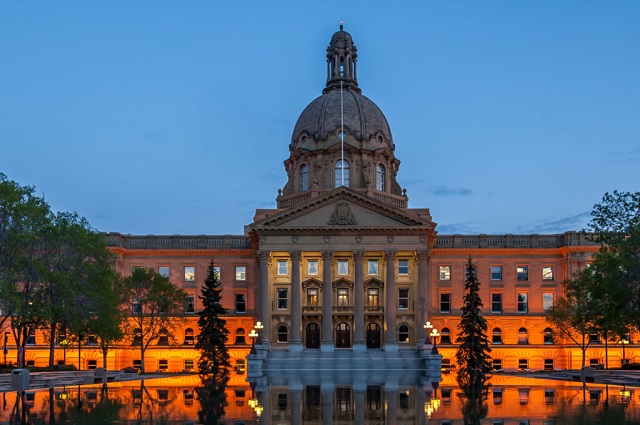
Minister of Municipal Affairs Ric McIver issued the following statement in response to Calgary City Council’s vote to extend the right to vote to permanent residents:
“Yesterday, Calgary city council passed a motion advocating for permanent residents to be extended the right to vote in civic elections. Alberta’s government has been clear since the beginning: only Canadian citizens are able to vote in civic elections. That will not be changing.
“The Canadian Charter of Rights and Freedoms affirms the right of every Canadian citizen to vote and to run as a candidate. This right extends to voters in municipal, provincial and federal elections.
“Protecting our democracy is of the utmost importance. Our provincial election legislation, like the Local Authorities Elections Act, has also been clear since its inception that voting is a right of Canadian citizens.
“Alberta’s government is also ensuring that voting is accessible for more Albertans. The Municipal Affairs Statutes Amendment Act proposes to enable special ballot access for any voter who requests it, without having to provide any specific reason such as physical disability, absence from the municipality or working for the municipal election. The ministries of Seniors, Community and Social Services and Service Alberta and Red Tape Reduction are also making it easier for individuals to obtain the identification Albertans need for a variety of services, including the ability to cast a ballot.
“Our government will continue to protect the integrity of our elections and make sure voting is accessible for all Albertans who are Canadian citizens.”


Desperate Liberals move to stop MPs from calling Trudeau ‘corrupt’

Col. Douglas Macgregor torches Trump over support for bill funding wars in Ukraine and Israel

Alberta rejects unconstitutional cap on plastic production
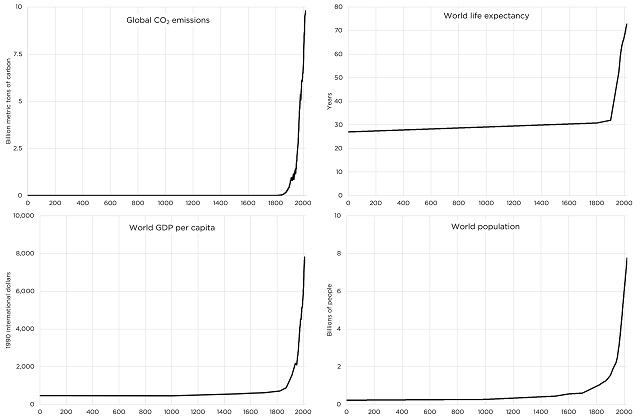
Reflections on Earth Day
-
 Education1 day ago
Support a young reader through the Tim Hortons Smile Cookie campaign
-
 Business1 day ago
WEF panelist suggests COVID response accustomed people to the idea of CBDCs
-
 Environment1 day ago
Journalism Misrepresent Climate Science
-
 illegal immigration1 day ago
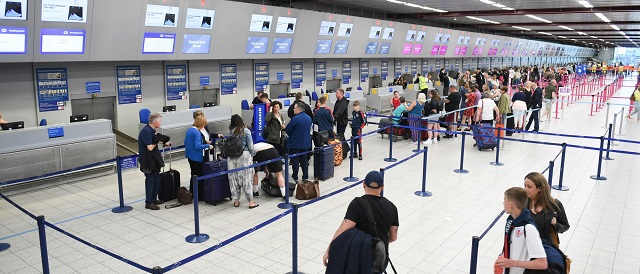
Flight Docs Reveal Which Cities Are Receiving Migrants Under Biden’s Parole Program
-
 Fraser Institute1 day ago
Canada can solve its productivity ‘emergency’—we just need politicians on board
-
 International1 day ago
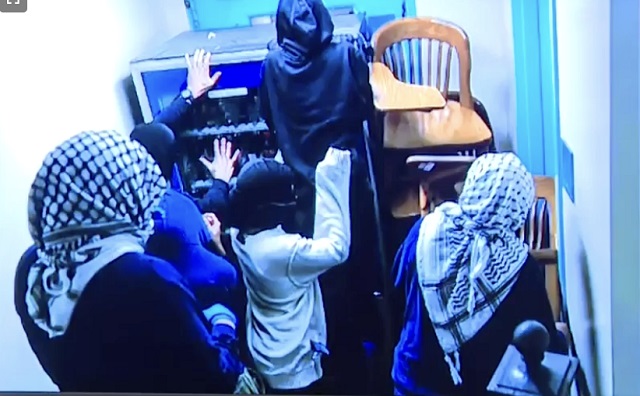
NYPD storms protest-occupied Columbia building, several arrested
-
 Canadian Energy Centre2 days ago
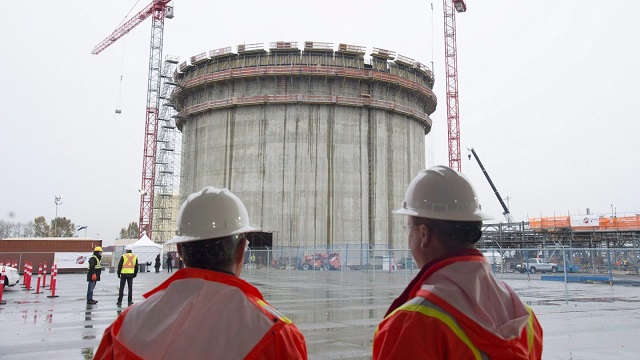
North America LNG project cost competitiveness
-
 conflict2 days ago
Columbia on Lockdown After pro-Palestinian Protesters Take Over Building, Hold Janitors Hostage