
Community
5 Ways You Can Get Involved in Crime Prevention


This article is provided by the Central Alberta Crime Prevention Centre.
If you are already familiar with the Centre, scroll down to the bottom for the 5 WAYS,
but we thought you might want to know a bit about the Centre first
Did you know that Red Deer has a Crime Prevention Centre?
Since 2012, the Central Alberta Crime Prevention Centre (CACPC) has been engaging, educating, and empowering residents and businesses to promote and sustain community safety. CACPC is unique in North America because we are the only Crime Prevention Centre who partners with five (5) other crime prevention organizations including the Alberta Provincial Rural Crime Watch Association, Citizens on Patrol, Crime Stoppers, MADD (Mothers Against Drunk Driving) and Neighbourhood Watch.
How does the Central Alberta Crime Prevention Centre help in preventing crime?

Our primary role is to provide education to residents and businesses about how they can protect themselves against crime. We attend and initiate many connecting events where we hand out free Crime Prevention Packages that contain valuable information and resources from us and our partners. We provide CPTED (Crime Prevention Through Environmental Design) reviews for residents and business experiencing crime issues and give them practical ideas on how to “target harden” their properties. We also provide basic and advanced CPTED training, twice per year, with instructors who have their Professional CPTED Designations for those in law enforcement or security, urban or rural planners, councilors, building or fire inspectors, property managers, business owners, and those interested in crime prevention would benefit from this training.

CPTED is based on the premise that “the proper design and effective use of the
built environment can lead to a reduction in the incidence and fear of crime, and an improvement in the quality of life”.
Does CACPC work with the RCMP?
Definitely! We work in conjunction primarily with the Community Policing division of the RCMP. We support them and they support us. The Centre works with the RCMP to educate residents or businesses about crime prevention. Sometimes we are dropping off crime prevention packages. Sometimes we are connecting with the Community Association for that neighbourhood to put on a crime prevention presentation or doing a “pop-up” information booth or BBQ in a neighbourhood. Sometimes we are cleaning graffiti. And sometimes we go out with RCMP members to perform a CPTED review on properties to give crime prevention suggestions to the property owners.
How is the CACPC funded?
The CACPC is a registered non-profit charity. We receive a portion of our funding form the City of Red Deer as part of their commitment to community safety. However, we need to raise a significant portion of our budget in order to keep operating. We do this primarily through fundraising events such as our Pub Night and Charity Checkstop (“Coats for Kids & Cash for Crime Prevention”) in October and our Touch-A-Truck event in May, our new FundScrip gift card program, and other fundraising events including raffles and BBQ’s.
5 WAYS To Get Involved in Crime Prevention
- Educate Yourself! Please feel free to drop by the Centre and pick up a FREE crime prevention package for yourself and your friends and/or neighbours. You can also check out resources and information on the CACPC website and the Crime Prevention ideas on the City of Red Deer’s website. The more you understand about how to make your property less attractive to the criminal, the better!

- Get to Know your neighbours! Did you know that the #1 crime prevention tool is knowing your neighbours? It’s not always easy to meet our neighbours, so here are 3 ways to get to know your neighbours: 1) Become a Block Captain with Neighbourhood Watch. It’s easy! You will be responsible for getting to know 8 of your neighbours (one on each side of your home, 3 behind you and 3 in front of you) and watch out for each other, reporting suspicious activity to the RCMP (via the non-emergency line 403-343-5575), and keeping those 8 neighbours aware of any issues of crime in your neighbourhood. 2) Join your Community Association. If your neighbourhood doesn’t have one, you might consider getting some of your neighbours together and starting one. 3) Join an online community for your neighbourhood, like Next Door. Nextdoor is the world’s largest social network for the neighborhood and completely FREE to join. Nextdoor enables truly local conversations that empower neighbors to build stronger and safer communities. Neighbour are using Nextdoor to recommend a house painter, spread the word about a lost dog, organize a Neighbourhood Watch group or quickly get the word out about a break-in, share information during a natural disaster, find a new home for an outgrown bike and much more! There are also a number of Red Deer community association and crime watch pages on Facebook you can participate in social media.
- Support Crime Prevention with your Time! The Central Alberta Crime Prevention Centre has a number of event-based (short shift) opportunities to volunteer with us. For more information about our volunteer opportunities, you can visit our website, or check out VolunteerConnector.org. You also might be interested in joining Citizens on Patrol (COP). The main goal of the Citizens on Patrol Program is to be on the look-out for any suspicious or criminal activity, to record this activity and, where appropriate, to report such activities to the police. COP members act as additional “eyes and ears” for their community and the police, which assists in reducing crime. All Red Deer COP members receive training from and work with the RCMP.
- Support Crime Prevention with your Money! Many people are unable to volunteer but can provide support through donations, buying gift cards through us, sponsorships, or by attending our fundraising events. To donate to the Central Alberta Crime Prevention Centre, click HERE. You will receive a tax receipt for your donation.
- Be a Positive Force in Our Community! When people are empowered, they feel less like victims. So, if you are educated and actively participating in crime prevention by completing target hardening measures for your property, are getting to know your neighbours, and donating your time or money, you are contributing to the solution and therefore will feel empowered! And people that are empowered, are more positive. And, when our friends complain about the crime problem in Red Deer, we can suggest how they can too get involved in crime prevention.



From the Fraser Institute
By Jake Fuss and Grady Munro
There would have been 1.5 million more Canadians who donated to charity in 2023—and $755.5 million more in donations—had Canadians given to the same extent they did 10 years prior
According to recent polling, approximately one in five Canadians have skipped paying a bill over the past year so they can buy groceries. As families are increasingly hard-pressed to make ends meet, this undoubtedly means more and more people must seek out food banks, shelters and other charitable organizations to meet their basic necessities.
And each year, Canadians across the country donate their time and money to charities to help those in need—particularly around the holiday season. Yet at a time when the relatively high cost of living means these organizations need more resources, new data published by the Fraser Institute shows that the level of charitable giving in Canada is actually falling.
Specifically, over the last 10 years (2013 to 2023, the latest year of available data) the share of tax-filers who reported donating to charity fell from 21.9 per cent to 16.8 per cent. And while fewer Canadians are donating to charity, they’re also donating a smaller share of their income—during the same 10-year period, the share of aggregate income donated to charity fell from 0.55 per cent to 0.52 per cent.
To put this decline into perspective, consider this: there would have been 1.5 million more Canadians who donated to charity in 2023—and $755.5 million more in donations—had Canadians given to the same extent they did 10 years prior. Simply put, this long-standing decline in charitable giving in Canada ultimately limits the resources available for charities to help those in need.
On the bright side, despite the worrying long-term trends, the share of aggregate income donated to charity recently increased from 0.50 per cent in 2022 to 0.52 per cent in 2023. While this may seem like a marginal improvement, 0.02 per cent of aggregate income for all Canadians in 2023 was $255.7 million.
The provinces also reflect the national trends. From 2013 to 2023, every province saw a decline in the share of tax-filers donating to charity. These declines ranged from 15.4 per cent in Quebec to 31.4 per cent in Prince Edward Island.
Similarly, almost every province recorded a drop in the share of aggregate income donated to charity, with the largest being the 24.7 per cent decline seen in P.E.I. The only province to buck this trend was Alberta, which saw a 3.9 per cent increase in the share of aggregate income donated over the decade.
Just as Canada as a whole saw a recent improvement in the share of aggregate income donated, so too did many of the provinces. Indeed, seven provinces (except Manitoba, Nova Scotia and Newfoundland and Labrador) saw an increase in the share of aggregate income donated to charity from 2022 to 2023, with the largest increases occurring in Saskatchewan (7.9 per cent) and Alberta (6.7 per cent).
Canadians also volunteer their time to help those in need, yet the latest data show that volunteerism is also on the wane. According to Statistics Canada, the share of Canadians who volunteered (both formally and informally) fell by 8 per cent from 2018 to 2023. And the total numbers of hours volunteered (again, both formal and informal) fell by 18 per cent over that same period.
With many Canadians struggling to make ends meet, food banks, shelters and other charitable organizations play a critical role in providing basic necessities to those in need. Yet charitable giving—which provides resources for these charities—has long been on the decline. Hopefully, we’ll see this trend turn around swiftly.


|

|
|

|
|
|


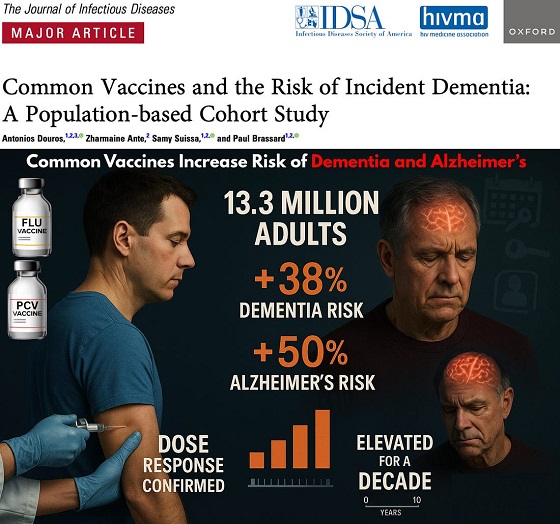
Common Vaccines Linked to 38-50% Increased Risk of Dementia and Alzheimer’s

Trump DOJ seeks to quash Pfizer whistleblower’s lawsuit over COVID shots

Alberta introducing three “all-season resort areas” to provide more summer activities in Alberta’s mountain parks

The $50 Billion Question: EVs Never Delivered What Ottawa Promised
-
Community2 days ago
Charitable giving on the decline in Canada
-
 Business2 days ago
Canada’s recent economic growth performance has been awful
-
 Alberta2 days ago
Canada’s New Green Deal
-
 Health1 day ago
Saskatchewan woman approved for euthanasia urged to seek medical help in Canada rather than US
-
 armed forces2 days ago
Ottawa’s Newly Released Defence Plan Crosses a Dangerous Line
-
 Indigenous1 day ago
Residential school burials controversy continues to fuel wave of church arsons, new data suggests
-
 Alberta1 day ago
Alberta’s huge oil sands reserves dwarf U.S. shale
-
 Business2 days ago
COP30 finally admits what resource workers already knew: prosperity and lower emissions must go hand in hand