
Community
Why I Am Running For City Council


Hello Red Deer,
I have decided to put my name forward to run in the City Council Election on October 16, 2017.
Before I get to telling you why I am running, I want to tell you on what pretenses I am not running.
I am not a politician. I am not running in the City Council Election to become one. I am also not using City Council as some sort of stepping stone to a different political career.
I am not running in hopes of boosting or otherwise furthering my business or that of friends. Neither from name recognition nor from favourable city policy. In fact, I don’t have a business. With that said, I understand business is vital to any community and supporting them needs to be a priority of council. It just won’t be businesses associated with me personally.
I am not running for the money or the need of a job. I have a job I love: teaching high school students, and occasionally instructing at Red Deer College.
I am not running because I think the city is falling apart around us or that past or current Council has done a poor job. I believe, all things considered, we live in a pretty great city and obviously Council, and more importantly city workers, are a significant part of that.
Those statements above are fundamental to my candidacy. Who someone is not is sometimes just as important as who they are. Now, here are the reasons I am running, which help define who I am as a candidate:
I am running because I want to make a difference for Red Deer. I want to help our great city become an amazing city. We are on the cusp of significant changes for a community of our size. The decisions we make today are going to significantly impact the livability of Red Deer for generations to come.
I am running because I want the city that our family has called home to continue to be a great place to raise a family when our children grow up.

I am running because I have experience with policy and bylaws. I have been involved in creating, debating, passing and denying policies and motions in the field of education. Council work is not easy. Nor is it meant to be a place where everyone raises their hand and agrees with everyone else. It is a place for intense and passionate debate, ultimately, if done correctly, resulting in actionable and meaningful direction. A vital component of this work is understanding government systems and the role they should and should not play. I am well versed in this.
I am running because, while I think Council has done a pretty good job, we can do better. If elected, I would be one of the youngest members (at the age of 34) on Council. This is important. When you have a body of people making decisions for a diverse city populous, it too must be diverse.
I am running because I want to plant trees that I will never live to see fully grown. As stated above, I don’t have a short term goal or personal invested interest in becoming a City Councillor. This allows me to, if elected, to make decisions with the future in mind. Our kids’ future, not necessarily my future. It’s this type of thinking that ensures Red Deer continues to invest in planning like our well-known trail system.
I am running because I believe I am a good candidate for you and our city.
If you would like to learn more about my candidacy, what I stand for, or have questions, please visit: www.unland.ca
Come October 16, you will have your say in the future of Red Deer. If, like me, you believe that the above beliefs and values are what you want to see on City Council, make me one of your eight selections on Election Day.
I won’t let you down.
Your neighbour,
Brice Unland



From the Fraser Institute
By Jake Fuss and Grady Munro
There would have been 1.5 million more Canadians who donated to charity in 2023—and $755.5 million more in donations—had Canadians given to the same extent they did 10 years prior
According to recent polling, approximately one in five Canadians have skipped paying a bill over the past year so they can buy groceries. As families are increasingly hard-pressed to make ends meet, this undoubtedly means more and more people must seek out food banks, shelters and other charitable organizations to meet their basic necessities.
And each year, Canadians across the country donate their time and money to charities to help those in need—particularly around the holiday season. Yet at a time when the relatively high cost of living means these organizations need more resources, new data published by the Fraser Institute shows that the level of charitable giving in Canada is actually falling.
Specifically, over the last 10 years (2013 to 2023, the latest year of available data) the share of tax-filers who reported donating to charity fell from 21.9 per cent to 16.8 per cent. And while fewer Canadians are donating to charity, they’re also donating a smaller share of their income—during the same 10-year period, the share of aggregate income donated to charity fell from 0.55 per cent to 0.52 per cent.
To put this decline into perspective, consider this: there would have been 1.5 million more Canadians who donated to charity in 2023—and $755.5 million more in donations—had Canadians given to the same extent they did 10 years prior. Simply put, this long-standing decline in charitable giving in Canada ultimately limits the resources available for charities to help those in need.
On the bright side, despite the worrying long-term trends, the share of aggregate income donated to charity recently increased from 0.50 per cent in 2022 to 0.52 per cent in 2023. While this may seem like a marginal improvement, 0.02 per cent of aggregate income for all Canadians in 2023 was $255.7 million.
The provinces also reflect the national trends. From 2013 to 2023, every province saw a decline in the share of tax-filers donating to charity. These declines ranged from 15.4 per cent in Quebec to 31.4 per cent in Prince Edward Island.
Similarly, almost every province recorded a drop in the share of aggregate income donated to charity, with the largest being the 24.7 per cent decline seen in P.E.I. The only province to buck this trend was Alberta, which saw a 3.9 per cent increase in the share of aggregate income donated over the decade.
Just as Canada as a whole saw a recent improvement in the share of aggregate income donated, so too did many of the provinces. Indeed, seven provinces (except Manitoba, Nova Scotia and Newfoundland and Labrador) saw an increase in the share of aggregate income donated to charity from 2022 to 2023, with the largest increases occurring in Saskatchewan (7.9 per cent) and Alberta (6.7 per cent).
Canadians also volunteer their time to help those in need, yet the latest data show that volunteerism is also on the wane. According to Statistics Canada, the share of Canadians who volunteered (both formally and informally) fell by 8 per cent from 2018 to 2023. And the total numbers of hours volunteered (again, both formal and informal) fell by 18 per cent over that same period.
With many Canadians struggling to make ends meet, food banks, shelters and other charitable organizations play a critical role in providing basic necessities to those in need. Yet charitable giving—which provides resources for these charities—has long been on the decline. Hopefully, we’ll see this trend turn around swiftly.


|

|
|

|
|
|



Why is Canada paying for dairy ‘losses’ during a boom?
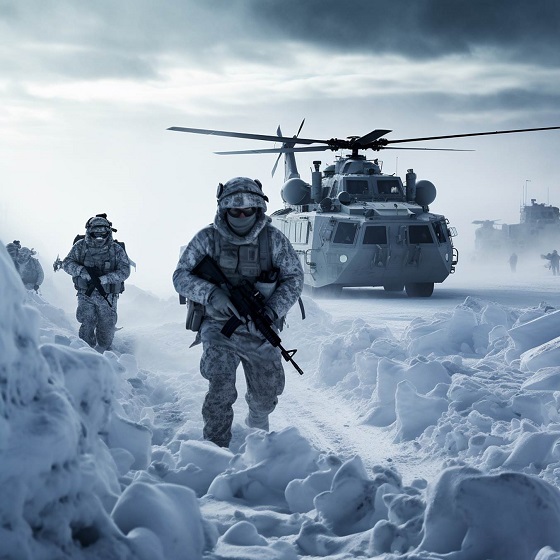
Ottawa’s Newly Released Defence Plan Crosses a Dangerous Line

Hunting Poilievre Covers For Upcoming Demographic Collapse After Boomers
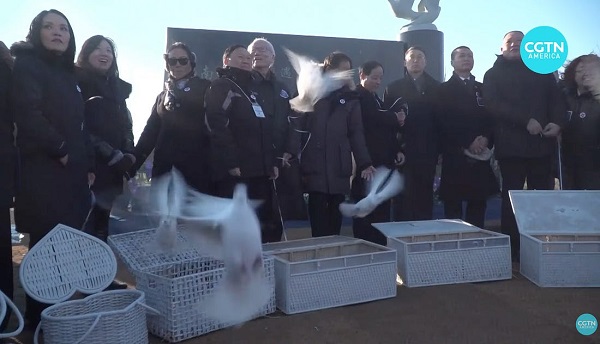
Carney Floor Crossing Raises Counterintelligence Questions aimed at China, Former Senior Mountie Argues
-
 International16 hours ago
Ottawa is still dodging the China interference threat
-
 Business14 hours ago
There’s No Bias at CBC News, You Say? Well, OK…
-
 Automotive13 hours ago
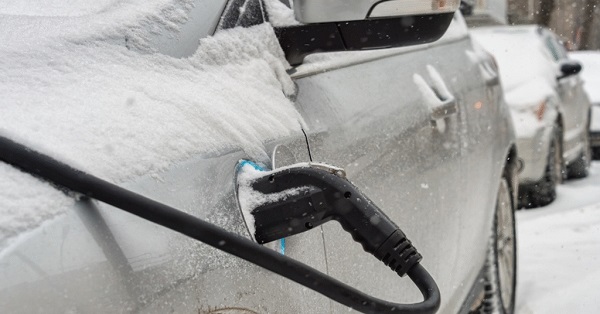
Canada’s EV gamble is starting to backfire
-
 International15 hours ago
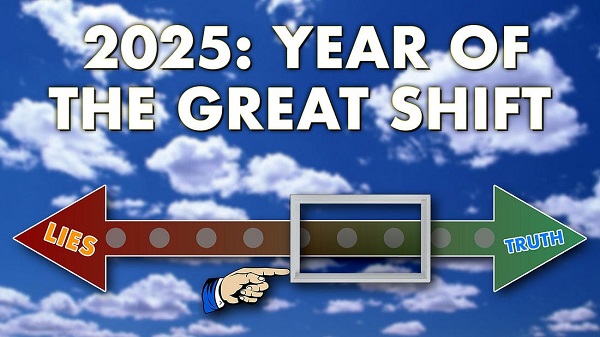
2025: The Year The Narrative Changed
-
 Fraser Institute1 day ago
Carney government sowing seeds for corruption in Ottawa
-
 Daily Caller1 day ago
While Western Nations Cling to Energy Transition, Pragmatic Nations Produce Energy and Wealth
-
 Business1 day ago
Residents in economically free states reap the rewards
-
 Alberta1 day ago
Alberta Next Panel calls for less Ottawa—and it could pay off