
Also Interesting
Top 5 Mobile Games You Must Play 2021



There is seemingly an endless sea of mobile games out there, and we are getting new ones every day. This is such a prevalent form of entertainment that even streaming services like Netflix are likely to use them as user incentives. Since there are so many out there it’s not easy to single out just a few titles. However, some of these games are just performing so well and generating a ridiculous amount of revenue. So, let’s see what are the top games of 2021 that
you should definitely try.
Candy Crush Saga
Candy Crush has been around for ages, and at one point Facebook feeds were flooded with requests for energy. This is probably the game we all think about whenever someone mentions mobile entertainment, and it’s really amazing how it outperformed Bejeweled since it was based on it. Today this game generates more than 100 million dollars per month, and it is the most played app on Android. So, if you didn’t get the chance to play it up until now, definitely do so.
World Series of Poker
There are so many poker fans out there that you won’t have to wait at all to find a match on the World Series of Poker app. This is an amazing game for those who are looking to hone their poker skills and practice for the real tournament. You might also be able to play poker for free, to an extent, if you use theno deposit bonus in casino online and get free chips. Playing with real money certainly makes the stakes a lot higher, and it gives a better practice for the tournament. But, if you just want to have an enjoyable play session without any tension, then definitely go for this app.
Jackpot Party – Casino Slots
Slots are so popular that people are even playing them for free on Jackpot Party – Casino Slots. This is a perfect game for those who wish to try some of the most popular slot titles out there without spending real money. Once you are ready to experience those games for real you can go to a Gaming club and create an account for yourself. Here you’ll have access to other casino games on mobile and once again you’ll be able to use and win real money. Jackpot Party provides a really authentic online slots experience, and it’s one of the most downloaded apps on both the Apple and Android store.

Dragon Ball Legends
There is an amazing app for old-school anime fans out there, who also love the new Dragon Ball stories. Dragon Ball Legends is very similar to AFK Arena and Raid Shadow: Legends, and both of these games are also popular on Android and iOS. You’ll have to grind your favourite Z fighters like Goku, Vegeta, Gohan, and Piccolo, but also villains like Frieza and Cell. Make different team compositions and upgrade your core heroes in order to advance.
League of Legends: Wild Rift

League of Legends is the most played MOBA game and it is now available on mobile as well. This new experience is incredibly fun and well optimized for smaller screen devices. With the recent success of the Arcane animated series, there is a high chance that even more users will join in on the fun. It has everything you would expect from a mobile version of League of Legends, and it’s a great way to pass the time if you love competitive online games.
Conclusion
These are some of the top-performing apps in 2021, and some of them have been around for ages, which only tells you how good they really are. Mobile games are definitely getting more sophisticated since we are seeing some of the best PC titles coming over to this market. Call of Duty, PUBG, Assassins Creed, Diablo, and lots of other iconic games all have their own mobile version.


Crypto Payments in Gaming: Aussie Trends 2025-2026
The Australian gaming scene has been levelling up big time in recent years, with crypto payments playing a massive role in this shift. Digital currencies are changing the game, and sites like https://fairgocasino-aus.com/ Fair Go casino Australia are jumping on board, giving punters new ways to handle their deposits and withdrawals. This article dives into how crypto’s making waves in Aussie gaming as we roll into 2026.
Why Crypto’s Taking Off in Australia
In the world of online gaming, nobody wants to be mucking about with slow transactions or dodgy payment systems. Speed and reliability are the name of the game, and cryptocurrencies are delivering just that. Platforms like Fair Go have embraced crypto, offering quicker transactions, lower fees, and a bit of anonymity compared to the old-school banking methods.
Whether it’s Bitcoin, Ethereum, or some of the newer altcoins, crypto’s becoming a go-to for gamers across Australia. Unlike the sluggish bank transfers that can leave you hanging for days, crypto deposits and withdrawals are done in a flash. For punters keen to get their winnings without the wait, this is a proper game-changer.
Why Aussie Gamers Are Keen on Crypto
There’s a fair bit to like about using crypto for online gaming:
- Speed: Transactions are sorted in minutes, not days, so you’re back spinning the reels or playing cards in no time.
- Low Costs: Crypto fees are usually a fraction of what you’d cop with credit cards or bank transfers.
- Privacy and Security: Crypto keeps your details under wraps, with transactions that are secure and tough to trace.
- Accessibility: With more crypto-friendly casinos popping up, it’s a breeze for Aussies to manage their accounts, whether they’re at home or out and about.
These perks are pushing Aussie players towards casinos that support crypto payments. Casino platforms such as Fair Go Australia are keeping up with the trend, making it dead easy for punters to handle their funds without the usual headaches. By adopting crypto, these best casino online sites are staying ahead of the curve and catering to a growing crowd.
Top Crypto-Friendly Casinos in Australia
With more casinos jumping on the crypto train, it can be a bit of a maze to pick the right one. Here’s a quick rundown of some of the top casino online Australia platforms that are crypto-friendly:
| Casino Name | Supported Cryptos | Benefits |
|---|---|---|
| Fair Go Casino | Bitcoin, Ethereum, Litecoin | Fast transactions, heaps of games, secure platform |
| Stake Casino | Bitcoin, Bitcoin Cash, Dogecoin | No fees, transparent setup, regular promos |
| 7Bit Casino | Bitcoin, Ethereum, Ripple | Top-notch customer service, quick payouts |
For anyone looking to give crypto gaming a burl, platforms like these are a solid starting point. They blend cryptocurrency payments with a cracking range of games to keep things interesting.
How Fair Go and Others Are Adapting to the Crypto Boom
It’s not just about accepting crypto—it’s about making it easy. Fair Go Casino has fine-tuned its platform to ensure crypto users have a smooth ride, with integrations for popular wallets and straightforward withdrawal processes. No one wants to be stuffed around with complicated steps when they’re trying to cash out their winnings.
As the crypto market keeps evolving, more casinos are likely to follow suit, adding support for new coins and expanding payment options. Down the track, we might see emerging cryptocurrencies like Solana or Polkadot popping up, giving punters even more flexibility to play Australian pokies online or other games.
What’s Next for Crypto in Aussie Online Gaming?
The future’s looking pretty flash for crypto payments in Australia’s gaming industry. Word is, as cryptocurrencies become more mainstream, they’ll nab an even bigger slice of the online casino pie. This could mean faster, cheaper, and more secure gaming for everyone. Blockchain tech’s also set to play a bigger role, shaking things up even further.
Gambling sites like FairGo are already leading the pack, blending crypto with traditional payment options to keep things versatile. By doing so, they’re staying competitive in a world that’s going more digital by the day.
As we head into 2026, expect more casinos to make crypto their main gig, creating a gaming scene that’s quicker, safer, and more convenient for players across Australia. Whether it’s spinning the Australian pokies online or diving into other casino games, the crypto revolution’s here to stay.
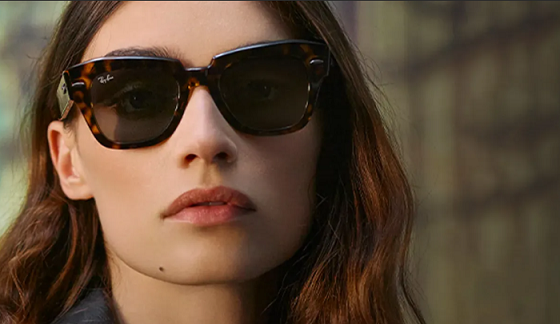
Quality sunglasses elegantly complete an outfit. But beyond that, they also protect your eyes, keep you comfortable outdoors, and offer long-term value that cheap alternatives simply cannot match. For many women, choosing well-made eyewear is not just about style; it is a practical decision that supports everyday comfort and overall well-being.
Good sunglasses are a small item, but they make a big difference. Whether you spend time driving, walking, traveling, or working outdoors, the right pair protects you from the sun’s harsh elements while complementing your personal style. Understanding the benefits helps you make a confident choice that offers both immediate comfort and long-term advantages.
Why Eye Protection Should Come First
Strong sunlight can affect your eyes more than you realize. Long hours outdoors expose you to UV rays that may contribute to discomfort or more serious concerns over time. High-quality sunglasses give your eyes the shielding they need, helping you enjoy brighter days without strain.
A well-designed pair blocks a high percentage of UVA and UVB rays, giving your eyes a consistent layer of protection throughout the year. This is especially useful for women who spend extended time outside, whether for work, fitness, travel, or daily errands. Quality lenses also help reduce glare from reflective surfaces such as water, windshields, concrete, and snow. This makes tasks like driving or outdoor sports safer and far more comfortable.
Women are also more likely to experience certain age-related eye changes, so long-term protection matters. Consistently wearing sunglasses with reliable UV filtering can support healthy vision and reduce the daily stress sunlight places on your eyes.
What Makes Quality Sunglasses Last Longer
Cheap sunglasses may be tempting, but they rarely last. Frames break easily, lenses scratch quickly, and the protective coating often fades after a short period of use. Investing in durable eyewear saves money and avoids the cycle of constant replacements.
High-quality sunglasses are built with stronger materials that withstand bending, drops, and everyday handling. Premium lenses maintain clarity even after months of wear, and good hinges keep everything aligned and secure. Many well-made pairs also come with better case protection, making it easier to keep them in top condition.
Durability is not only about physical strength; it is also about consistent performance. Reliable sunglasses maintain their level of UV protection, lens clarity, and fit over time, giving you dependable comfort whenever you put them on.
Investing in high-quality women’s sunglasses also means choosing lenses and frames that can manage daily wear, shifting weather conditions, and changing fashion preferences without losing their appeal.
How Premium Sunglasses Enhance Personal Style
Sunglasses are one of the most expressive accessories a woman can own. They add character to your look, elevate simple outfits, and help you create a signature style without effort. Investing in a quality pair means you’re choosing a piece that enhances your wardrobe instead of something that fades quickly or feels outdated after a season.
Well-designed sunglasses come in shapes, colors, and sizes that flatter different face types. Whether you prefer something bold and modern or understated and classic, good brands offer options that complement your features without overwhelming your natural look. Because they are made with better materials, they tend to keep their shape and finish, which helps them stay stylish for longer.
A refined pair of sunglasses can pull together work outfits, casual weekend clothes, or travel looks. It is one accessory that follows you through many situations, making it worth choosing a design you enjoy wearing regularly.
Why Comfort Matters More Than You Think
Comfort often separates high-quality sunglasses from cheaper substitutes. When eyewear is well-fitted, you barely notice it on your face. Poorly made frames, on the other hand, cause pressure on the nose bridge, slide down during warm weather, or pinch behind the ears.
Quality sunglasses use lightweight materials that sit comfortably on the face without creating tension. The weight is balanced, the arms align properly, and the nose pads fit securely without leaving marks. This is especially important for women who wear their sunglasses for long periods while traveling, driving, or spending time outdoors.
Better lenses also help reduce eye fatigue. Clearer optics mean you do not have to squint or adjust your focus repeatedly. This makes daily tasks easier and reduces the strain that often appears after hours in bright light.
Choosing Brands That Prioritize Quality and Sustainability
Well-established eyewear brands have years of craftsmanship behind them. This experience translates into consistent quality, thoughtful design, and dependable protection. Choosing sunglasses from a reputable company means you are investing in something tested, refined, and built to last.
Many brands are also moving toward more sustainable practices. They use responsibly sourced materials, reduce waste, and create packaging that has a lower environmental impact. For women who value eco-friendly decisions, selecting sunglasses from companies with transparent and ethical manufacturing practices offers added peace of mind.
Good brands also provide better customer support. If you need adjustments, repairs, or replacement parts, reliable companies typically have better options available than budget alternatives.
The Wider Health Benefits of Wearing Sunglasses
Sunglasses support more than your vision. They also help protect the delicate skin around your eyes, where signs of aging often appear first. Prolonged exposure to sunlight can accelerate fine lines and make the skin feel more sensitive. A good pair of sunglasses reduces this exposure, keeping the area more comfortable and better shielded.
Bright light can also trigger headaches or migraines in some women. Quality lenses reduce harsh glare and soften the visual intensity of sunny days, helping you feel more at ease outdoors.
If you’re active outdoors, sunglasses become part of your overall health routine. They keep your eyes from drying out in windy environments, reduce irritation from dust or sand, and make movement more comfortable during long walks, hikes, or bike rides.
Conclusion
Investing in high-quality sunglasses is more than a style decision; it is a smart choice that protects your eyes, boosts comfort, and adds long-lasting value to your everyday life. Quality women’s sunglasses give you reliable UV shielding, better vision clarity, and a level of durability that cheap alternatives rarely match. They also enhance your personal style and offer a level of comfort that makes long days outdoors far more enjoyable.
When you choose a pair that combines good craftsmanship, thoughtful design, and dependable protection, you are investing in something that supports your well-being every day. A single, well-made pair becomes an essential part of your wardrobe, your safety, and your confidence in the sun.


Alberta’s huge oil sands reserves dwarf U.S. shale

Canada’s sudden rediscovery of energy ambition has been greeted with a familiar charge: hypocrisy

COP30 finally admits what resource workers already knew: prosperity and lower emissions must go hand in hand

Canada’s New Green Deal
-
 armed forces15 hours ago
Ottawa’s Newly Released Defence Plan Crosses a Dangerous Line
-
 espionage14 hours ago
Carney Floor Crossing Raises Counterintelligence Questions aimed at China, Former Senior Mountie Argues
-
 Health13 hours ago
All 12 Vaccinated vs. Unvaccinated Studies Found the Same Thing: Unvaccinated Children Are Far Healthier
-
 Energy16 hours ago
75 per cent of Canadians support the construction of new pipelines to the East Coast and British Columbia
-
 Energy2 days ago
‘The electric story is over’
-
 Business2 days ago
Some Of The Wackiest Things Featured In Rand Paul’s New Report Alleging $1,639,135,969,608 In Gov’t Waste
-
 Energy1 day ago
Western Canada’s supply chain for Santa Claus
-
 Opinion13 hours ago
Pope Leo XIV’s Christmas night homily