Connect with us

Local Business

Selling your farmland – GST / HST implications

Published

7 minute read

With farmland values on the rise in Canada, many farmers are contemplating selling some or all of the land used in their farming businesses. Farmland sales may have GST/HST implications depending on such factors as the nature of the purchaser and the intended use of the land subsequent to sale.

Where a sale of farmland includes a residential home, it will be viewed as two separate transactions:

  1. the portion that includes the residential home, plus the land that is necessary for the use and enjoyment of the home; and
  2. the remaining portion of land.

In most circumstances, the sale of used residential real property is exempt from GST/HST. The sale of farmland, however, is generally taxable for GST/HST purposes. Therefore, the allocation of proceeds between items 1) and 2) above become an important consideration within the sale negotiation, and can have a significant impact on the ultimate GST/HST liability.

The term “farmland” is not specifically defined in the Excise Tax Act, though the CRA has provided guidance in GST/HST Memorandum 19.5 — Land and Associated Real Property:

Meaning of “farmland”

For purposes of the farmland exemptions under Schedule V (i.e., sections 10, 11 and 12 of Part I), “farmland” is generally interpreted as land that is regularly used for the purpose of gaining or producing income from a farming business. Any portion of land (other than land forming part of a residential complex), that is not used directly in a farming business but that is part of an entire parcel of land, some of which is used directly in a farming business, may be considered farmland. For example, a bush area surrounded by land used in a farming business is considered to be a part of the entire parcel of farmland. In addition, any fixtures on the farmland that a person regularly uses in the business of farming would form part of the farmland, to which the exemption, if applicable, would apply.

If a farmer sells or transfers ownership of farmland to a related individual who, after the transfer, uses the land for their own personal use and enjoyment, that sale or transfer is exempt from GST/HST. The exemption may also apply where a farmer changes the use of farmland and begins to use the land for their own personal use. This exemption will only apply where:

  • the farmland was used at any time by the individual in a commercial activity that is the business of farming;
  • the farmland was not used by the individual in a commercial activity other than the business of farming immediately before ownership of the property is transferred; and
  • the recipient of the farmland is acquiring it for his or her own personal use and enjoyment or for that of an individual related to the recipient.

For purposes of this exemption, individuals are considered “related” if they are connected by blood, marriage or adoption.

Based on these criteria, the sale of two pieces of identical farmland can result in different tax treatment for GST/HST purposes. For example, Farmer A sells farmland that is currently being used to farm soybeans to an unrelated individual who plans to use the property to build a family home (for their personal use and enjoyment). This sale would be taxable for GST/HST purposes. On the other hand, Farmer B sells to his son an identical parcel of land, also being used to farm soybeans, which the son will use to construct a personal residence. This transaction would be exempt from GST/HST.

It bears repeating that this exception only applies if the farmland was being used as part of the “commercial activity” of farming. Many common farming arrangements will require a comprehensive review of the facts to determine whether the term applies, including farms that are used to supply a secondary income streams, or that are subject to sharecropping agreements.

“Changing the use” of farmland to personal use

A “deemed sale” occurs when an individual ceases to use farmland as a commercial activity in the business of farming and begins using it for personal use. This deemed sale is considered an “exempt supply” with no GST/HST implications. As with third-party sales, this is a specific exception to the imposition of GST/HST related to farmland only. If similar land is appropriated for personal use from another commercial activity that is not the business of farming, a GST/HST liability may be triggered.
Reporting the GST/HST

When selling land that is subject to GST/HST, the seller is generally required to collect the applicable tax and remit to the CRA. However, if the purchaser is also registered for GST/HST, they are required to remit the tax directly by way of a self-assessment on the applicable GST/HST tax return.
Contact your Collins Barrow office advisor for more information and guidance.

Jason Melo, CPA, CA, CFP, CPA (Illinois) is managing partner in the Leamington office of Collins Barrow.
Derek Krakana, CPA, CMA is a senior tax analyst in the Leamington office of Collins Barrow.

Want to get in touch with Jason or Derek?
Connect with Jason at [email protected] or Derek at [email protected].

Collins Barrow Red Deer.

Local Business

Red Deer Downtown Business Association to Wind Down Operations

Published on

The Downtown Business Association (DBA) Board of Directors has made the decision to wind down the Association’s operations at the end of 2025.

The Board determined that the Association is no longer able to operate sustainably under the financial framework available for 2026. After exploring all reasonable alternatives, the Board concluded that it could not continue without reducing services to a level that would no longer provide meaningful value to levy-paying businesses.

The DBA does not receive any operating funding from City Hall in a regular year, all funds raised are through Business Improvement Area Levy that consists of a mandatory levy placed on all businesses operating within the Business Improvement Area. These funds are legislated under the Municipal
Government Act, to be used to promote the Business Improvement Area, which is achieved through marketing and event initiatives along with providing advocacy support primarily to local government on behalf of the business community.

In recent years, the DBA has been a committed advocate for re-examining the approach to Downtown Governance. The Board has consistently maintained that the responsibility for funding downtown initiatives in such a socially charged environment should not rest solely with the business community.

Despite their efforts, the DBA recognized that the funds generated through the Business Improvement Area Levy were insufficient to effectively address the growing challenges of the current operating environment. This ongoing financial strain highlighted the need for a more equitable and sustainable
model to re-establish the downtown as a safe and welcoming heart of the city.

At the annual DBA budget presentation to City Hall, the DBA requested the essential funding needed to implement the Greater Downtown Governance Committee’s recommendations — work that the DBA is uniquely positioned to lead and has been delivering despite depleting resources for many years. The request was not approved. Instead, The City offered a one-time $100,000 Grant-in-Lieu, paired with a proposed 60% increase to the Business Improvement Area levy in 2026.

After careful analysis, the Board concluded that increasing the levy would place undue strain on already challenged businesses and compromise the DBA’s role as a trusted advocate. Operating with the reduced funding of $225,000 would require further staff reductions in an already under resourced environment and a significant reduction in programs, making it impossible to deliver the level of support that downtown businesses deserve and vitally need.

Beginning January 1, 2026, the City of Red Deer will become the primary contact point for matters previously supported by the DBA, including downtown support programs, business-district coordination, events, safety and cleanliness support, and stakeholder engagement. The DBA will work with City staff to support a smooth transition.

The DBA will continue to provide Clean Team services through the delivery of the City-funded environmental contract until February 1st, 2026.

Quote from CEO, Amanda Gould:

“To our business community, we have always operated with your best interests in our heart, continually driving the vision of a thriving downtown environment that serves every member of our community. The changes ahead will have a significant impact on downtown, as there will no longer be an organization dedicated to ensuring the downtown remains top-of-mind, leading events, marketing initiatives, or advocating on your behalf. It is likely you will experience less coordinated support and collective representation.

After 13 years of service to you and our beautiful downtown, it is with great personal sadness that we find ourselves here, but our message remains clear – addressing the unique challenges of our downtown should not rest solely on your shoulders. We cannot, in good faith, collect a levy that does not enable us to provide the essential services needed for our evolving downtown landscape”.

Quote from DBA Board Chair, Brandon Bouchard:

“The incredible staff at the Downtown Business Association have consistently delivered on their mandate with outstanding dedication and effectiveness. Through their efforts, they have successfully promoted the downtown area, organized impactful marketing and event initiatives, and provided steadfast
advocacy support for the business community. Their work has extended well beyond the legislated requirements, as they have proactively responded to the evolving needs of downtown businesses, adapting to challenges and supporting operations within a complex and changing environment.

Despite the staff’s relentless commitment to positioning the DBA as an effective leader for downtown interests, the absence of a sustainable funding model has made it impossible to continue delivering meaningful support. The Board cannot, in good conscience, propose a levy that does not enable the
Association to meet the required level of service, address the shifting priorities of the business community, or respond to the continually evolving needs of the downtown”.

Continue Reading

Business

Celebrate National Small Business Week October 16-20, 2023!

Published on

From Community Futures Central Alberta

National Small Business Week is an annual celebration of entrepreneurship that has been celebrated for over 40 years.

Did you know:

  • Canada has over 1 million small businesses currently in operation!
  • For statistical purposes, a small business has between 1-99 employees, but most have less than 10.
  • These small businesses employ over 8 million Canadians.
  • By comparison, only 2.5 million Canadians are employed in medium sized businesses (100-500 employees).
  • In 2019, Canadian small businesses contributed 36.7% of our gross domestic product (GDP).

*Statistics taken from Statistics Canada – Innovation, Science and Economic Development website.

Time is running out to apply for the
Catalyst Incubator!

Calling local entrepreneurs! The Catalyst Incubator, funded through the Central Alberta Innovation Network (CARIN) and provided by Community Futures Central Alberta, is nearing its registration deadline.

Both Fall and Winter registration dates for this unique, cohort-based program helping to foster new ideas, make critical connections, and help start-up businesses are now open. The Catalyst Incubator is 100% FREE and focuses on supporting start-ups in manufacturing, agriculture, technology, energy innovation, and more.

Learn more about how to register

Increase your business’ online presence with free help from the Digital Service Squad

The Digital Service Squad (DSS) is designed to help small businesses take their businesses online. This program, a partnership between Business Link, Community Futures and Digital Main Street, will help small businesses in Alberta undergo digital transformations and adopt eCommerce practices. DSS is open to home-based or commercial small businesses registered in Alberta with less than 50 employees.

Digital Service Squads guides businesses through digital transformation. Small businesses can apply to participate in the program, free of charge.

Book your free consultation today

Lending Spotlight: Flex Loans

In this edition of our Quarterly Update, we shine a spotlight on the Community Futures Central Alberta Flex Loan. Flex Loans are available to clients in all industries, including home-based and storefront. The loans can be used for equipment, inventory, renovations, marketing, working capital, etc.

According to CFCA Business Analyst Kelsey Krieger, “Flex loans offer our clients a lower interest rate and a lower barrier to entry to qualify for financial support for their small business or startup. This product allows clients to make near-term plans for purchasing needed equipment or doing important upgrades to their business.”

•    Qualification for unsecured (will still take GSA and personal guarantee) will be based on credit history and net worth.

Learn more about Flex Loans today – call us at 403.342.2055 and make an appointment!

CFCA introduces Tyler Harke as its new Community Economic Development Coordinator

Community Futures Central Alberta is pleased to welcome Tyler Harke as its newest staff member.

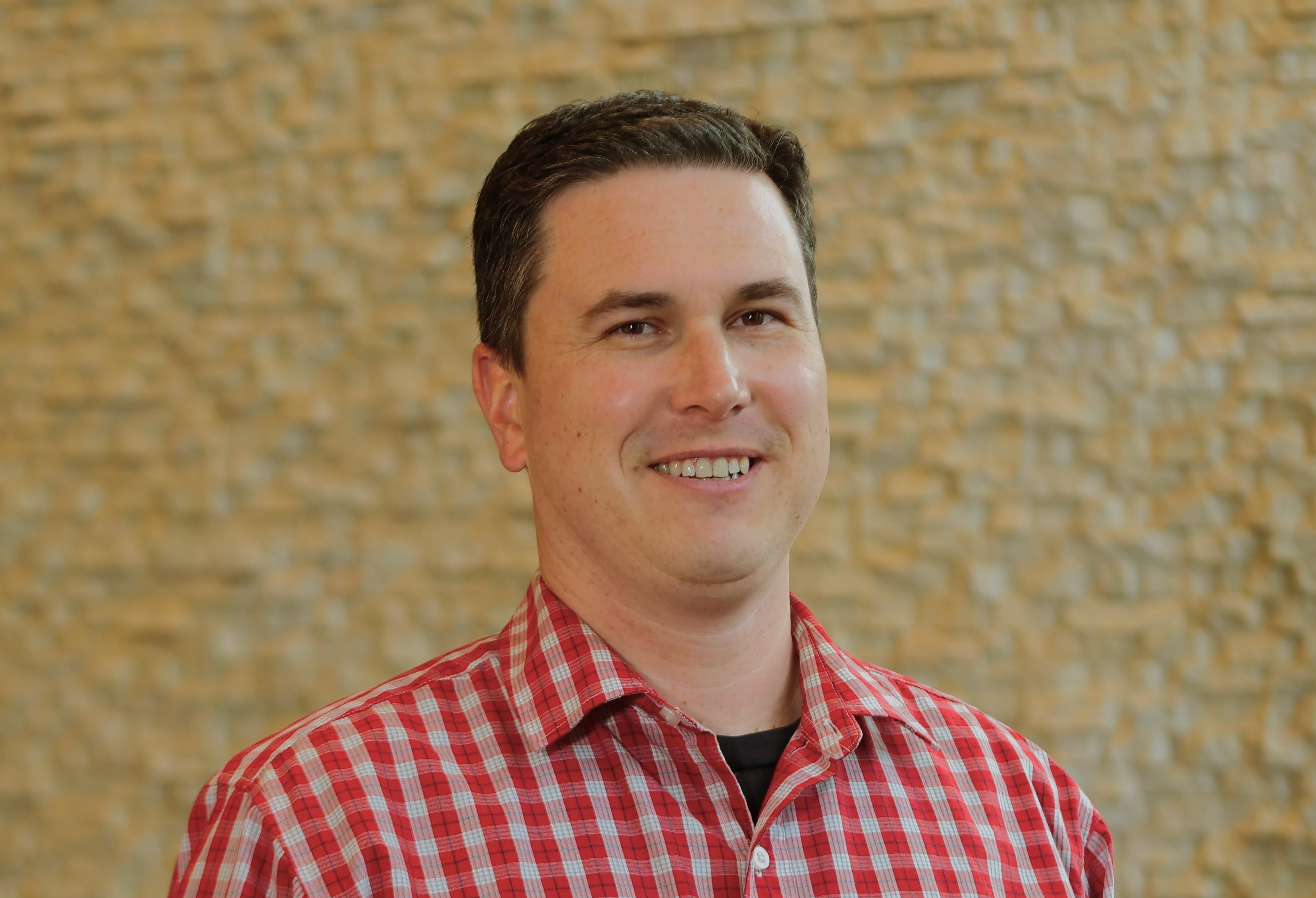
Tyler is a life-long Albertan who comes from a family of entrepreneurs. He is excited to serve in both the Community Economic Development role as well as part of the Digital Services Squad.

Tyler brings over 15 years of experience in marketing and communications roles and looks forward to playing a key role in helping small business thrive in this great region!

Contact Tyler and discuss your community’s involvement with CFCA

Follow us on social!

Facebook
Website
Instagram
LinkedIn
Continue Reading

Trending

X