
Community
Memorandum of Understanding the first step to supporting children and families in the region


Red Deer, February 8, 2018 – Leaders from Central Alberta Child Advocacy Centre (CACAC)
and Red Deer College (RDC) gathered today to sign a Memorandum of Understanding, committing the two organizations to exploring opportunities for how they could best work together to serve children and families in central Alberta.
The Memorandum of Understanding continues the discussions already undertaken between CACAC and RDC. The organizations will continue to research and explore the possibility of two main goals: 1) building a comprehensive child advocacy centre on RDC’s main campus, and 2) working together to explore the development of training, professional development, credit and non-credit education programs and research opportunities related to child advocacy services and education.
For CACAC, which has been collaborating with its partners since first opening its doors on November 29, 2017, discussions with RDC represent another potential partnership opportunity.
“The Central Alberta Child Advocacy Centre has a model of integrative, trauma-informed practice, carried out by our key partners and trained professionals. This model will be the centre of change in how our community deals with child abuse,” says Mark Jones, CEO, Central Alberta Child Advocacy Centre. “Our goal is to become a centre of excellence offering opportunities for advanced education students to be able to learn and develop skills that will help them moving forward in their education and professional careers. Potential collaborations with Red Deer College will provide a promising future in education and demonstrate the role students play in making our society a better place.”
The impact of the work of a child advocacy centre is demonstrated at the Sheldon Kennedy Child Advocacy Centre, located on the University of Calgary campus. Kennedy is supportive of creating a centre in the central Alberta region.

“I see firsthand the need for support, counselling and guidance a Child Advocacy Centre can offer to children, youths and families impacted by child abuse in a community,” says Kennedy, Lead Director of the Sheldon Kennedy Child Advocacy Centre. “I believe the Central Alberta Child Advocacy Centre will, over time, set a new standard for responding to child abuse. This Memorandum of Understanding with Red Deer College will be the initial step in paving the way to becoming a Centre of excellence.”
“From the preliminary discussions between CACAC and RDC, it’s clear there are many areas of shared values and priorities between our two organizations, and we look forward to exploring the opportunities that could come out of these,” says Joel Ward, RDC President &CEO. “Through our potential collaborations, we could support children and families in the region, and we could also provide new opportunities for our students to learn in this important field of child advocacy. While there are still many steps we have to take to plan for and achieve these ultimate goals, we’re excited to work with CACAC to determine what the future could hold.”
About Central Alberta Child Advocacy Centre: The Central Alberta Child Advocacy Centre is a not for profit organization that works in an integrative partnership with the Central Region Child Services, Alberta Health Services, Alberta Justice, Alberta Education and the RCMP to better service children, youth and families impacted by sexual abuse and the most serious/complex cases of physical abuse and neglect. Working collaboratively in a culturally relevant and trauma-informed system, we achieve greater results than any partner could on their own. It blends investigation, treatment, prevention, education and research with expertise to provide an integrated practice approach wrapping around children and always working in the best interests of the child.
About RDC: For over 50 years RDC has been proudly serving our learners and our communities. RDC offers more than 100 different programs (including full degrees, certificates, diplomas and skilled trades programs) to 7,500 full- and part-time credit students and more than 36,000 youth and adult learners in the School of Continuing Education each year. Named by Alberta Venture magazine as one of Alberta’s most innovative organizations for the Centre for Innovation in Manufacturing, RDC is a key location for applied and industry-led research. Our main campus is strategically situated on 290 acres of Alberta’s natural landscape along Queen Elizabeth II Highway. We have also expanded our learning and performing arts space into the heart of downtown Red Deer through our Welikoklad Event Centre and the Donald School of Business.



From the Fraser Institute
By Jake Fuss and Grady Munro
There would have been 1.5 million more Canadians who donated to charity in 2023—and $755.5 million more in donations—had Canadians given to the same extent they did 10 years prior
According to recent polling, approximately one in five Canadians have skipped paying a bill over the past year so they can buy groceries. As families are increasingly hard-pressed to make ends meet, this undoubtedly means more and more people must seek out food banks, shelters and other charitable organizations to meet their basic necessities.
And each year, Canadians across the country donate their time and money to charities to help those in need—particularly around the holiday season. Yet at a time when the relatively high cost of living means these organizations need more resources, new data published by the Fraser Institute shows that the level of charitable giving in Canada is actually falling.
Specifically, over the last 10 years (2013 to 2023, the latest year of available data) the share of tax-filers who reported donating to charity fell from 21.9 per cent to 16.8 per cent. And while fewer Canadians are donating to charity, they’re also donating a smaller share of their income—during the same 10-year period, the share of aggregate income donated to charity fell from 0.55 per cent to 0.52 per cent.
To put this decline into perspective, consider this: there would have been 1.5 million more Canadians who donated to charity in 2023—and $755.5 million more in donations—had Canadians given to the same extent they did 10 years prior. Simply put, this long-standing decline in charitable giving in Canada ultimately limits the resources available for charities to help those in need.
On the bright side, despite the worrying long-term trends, the share of aggregate income donated to charity recently increased from 0.50 per cent in 2022 to 0.52 per cent in 2023. While this may seem like a marginal improvement, 0.02 per cent of aggregate income for all Canadians in 2023 was $255.7 million.
The provinces also reflect the national trends. From 2013 to 2023, every province saw a decline in the share of tax-filers donating to charity. These declines ranged from 15.4 per cent in Quebec to 31.4 per cent in Prince Edward Island.
Similarly, almost every province recorded a drop in the share of aggregate income donated to charity, with the largest being the 24.7 per cent decline seen in P.E.I. The only province to buck this trend was Alberta, which saw a 3.9 per cent increase in the share of aggregate income donated over the decade.
Just as Canada as a whole saw a recent improvement in the share of aggregate income donated, so too did many of the provinces. Indeed, seven provinces (except Manitoba, Nova Scotia and Newfoundland and Labrador) saw an increase in the share of aggregate income donated to charity from 2022 to 2023, with the largest increases occurring in Saskatchewan (7.9 per cent) and Alberta (6.7 per cent).
Canadians also volunteer their time to help those in need, yet the latest data show that volunteerism is also on the wane. According to Statistics Canada, the share of Canadians who volunteered (both formally and informally) fell by 8 per cent from 2018 to 2023. And the total numbers of hours volunteered (again, both formal and informal) fell by 18 per cent over that same period.
With many Canadians struggling to make ends meet, food banks, shelters and other charitable organizations play a critical role in providing basic necessities to those in need. Yet charitable giving—which provides resources for these charities—has long been on the decline. Hopefully, we’ll see this trend turn around swiftly.


|

|
|

|
|
|



Wayne Gretzky’s Terrible, Awful Week.. And Soccer/ Football.

Western Campuses Help Build China’s Digital Dragnet With U.S. Tax Funds, Study Warns
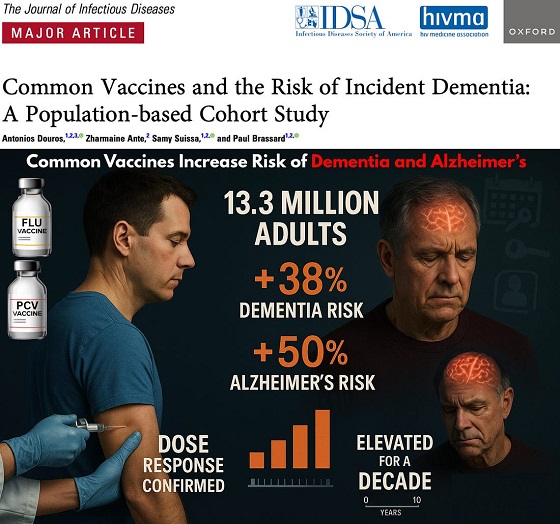
Common Vaccines Linked to 38-50% Increased Risk of Dementia and Alzheimer’s

The $50 Billion Question: EVs Never Delivered What Ottawa Promised
-
 Great Reset2 days ago
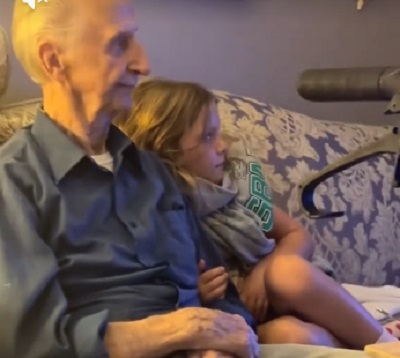
Viral TikTok video shows 7-year-old cuddling great-grandfather before he’s euthanized
-
 Daily Caller2 days ago
Chinese Billionaire Tried To Build US-Born Baby Empire As Overseas Elites Turn To American Surrogates
-
 Alberta2 days ago
Schools should go back to basics to mitigate effects of AI
-
 Business2 days ago
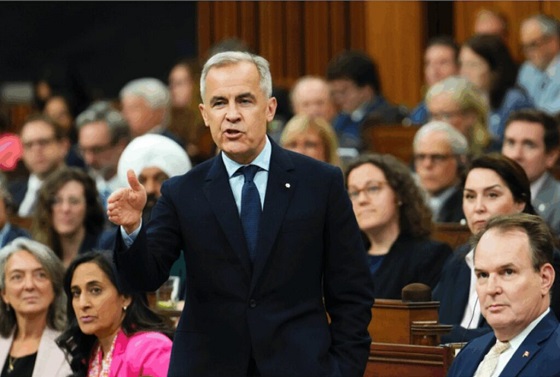
Major tax changes in 2026: Report
-
 International2 days ago
Two states designate Muslim group as terrorist
-
 Digital ID1 day ago
Canada releases new digital ID app for personal documents despite privacy concerns
-
 Bruce Dowbiggin1 day ago
NFL Ice Bowls Turn Down The Thermostat on Climate Change Hysteria
-
 Censorship Industrial Complex2 days ago
Death by a thousand clicks – government censorship of Canada’s internet