
Also Interesting
Losing as Strategy: How Pusoy Dos on GameZone Builds Tactical Skill


Winning has always been the shiny prize everyone chases—but any seasoned Pusoy Dos player knows that real mastery begins where the losing streak starts.
Behind every card drawn, every failed bluff, and every quiet defeat lies the blueprint of strategy itself.
In online Pusoy Dos, especially on GameZone, the concept of losing transforms from a simple setback into a calculated part of learning. It’s no longer just about who gets rid of their cards first; it’s about who can read the rhythm of the game, adapt quickly, and control the mental battlefield.
If you’ve ever thought losing was the opposite of winning, GameZone’s version of online Pusoy Dos might just convince you otherwise—it’s the training ground where every loss becomes a weapon.
The Strategic Framework of Losing
In traditional Pusoy Dos, luck and skill intertwine in every hand. Players learn to form melds, adjust their tempo, and predict opponents’ moves. But what truly defines success isn’t how often you win—it’s how well you respond to loss.
Every defeat forces recalibration. You learn to dissect what went wrong: Did you reveal your strong cards too early? Did you fail to anticipate a counter? Did your timing falter under pressure?
Losing gives you data, and data drives better decisions.
That’s why elite players on GameZone treat each loss like a post-match analysis session. It’s not about pride—it’s about pattern recognition. The sooner you embrace losing as a diagnostic tool, the faster your strategy evolves.
Tactical Patience: The Skill Behind the Calm
In online Pusoy Dos, patience isn’t passive—it’s tactical. When the game speeds up and pressure mounts, impulsive moves often spell disaster. The disciplined player, however, uses restraint as a strategic weapon.
GameZone’s competitive setup reinforces this mindset. The players who dominate over time are those who maintain composure, waiting for key openings rather than rushing to play their strongest hand.
This principle mirrors real-world strategic thinking: the concept of calculated delay. In war, business, or gaming, the most successful tacticians act when their timing aligns with maximum impact—not when emotions demand immediate action.
In this light, losing becomes less about failure and more about timing refinement. Each loss fine-tunes your sense of rhythm until you can read the invisible tempo of the table.
From Reaction to Anticipation: The Psychology of Strategic Loss
Every round of Pusoy Dos is an exercise in human psychology. Behind every card lies a decision driven by confidence, anxiety, or misdirection. Losing helps sharpen your ability to read these emotional undercurrents.
The more you lose, the more data you gather about how people behave under pressure.
You begin to see patterns: the players who panic after a few bad turns, the overconfident ones who burn their best cards too early, and the cautious types who never strike when they should.
By studying defeat, you build anticipation—a skill far more valuable than raw luck. On GameZone, this translates into superior adaptability.
You stop reacting to what happens and start predicting what’s about to happen. That’s where strategy stops being reactive and becomes proactive.
GameZone: The Strategic Laboratory
GameZone isn’t just another app; it’s a controlled environment where strategies evolve through iteration.
Unlike physical card games, where every loss is public and often accompanied by laughter or teasing, online play lets you fail in private and refine in peace.
The platform’s algorithm-based matchmaking system ensures you face opponents with varied styles, forcing constant adaptation.
You’re not memorizing tricks—you’re learning systems thinking.
Each round tests multiple dimensions of play:
- Risk management is about deciding when to hold or release key cards.
- Pattern detection is recognizing your opponents’ rhythms.
- Emotional control is about maintaining composure despite mediocre hands.
- Resource allocation is managing your cards like strategic assets.
In GameZone, losing repeatedly isn’t a setback; it’s accelerated training. The game essentially turns into a strategy simulator, where every misstep teaches long-term efficiency.
Control and the Illusion of Power
Many beginners assume that control in Pusoy Dos comes from having the best hand. But seasoned strategists know that control has little to do with cards and everything to do with mindset.
True control means mastering tempo—dictating the flow of the game rather than chasing it. Expert players create pressure for others, forcing opponents into reaction mode. Ironically, they achieve this by letting go of the illusion of total control.
You can’t dictate what cards you’re dealt, but you can control how those cards shape your overall narrative.

Losing a few rounds to study your opponent’s habits is a strategic sacrifice. It’s the same principle chess players use: sometimes you lose a pawn to win the board.
This mental flexibility—understanding when to let go and when to strike—is the foundation of strategic dominance.
The Strategic Edge of Emotional Discipline
In the high-paced ecosystem of online Pusoy Dos, emotions are your biggest liability. The difference between an average player and a master often lies in how they handle frustration.
Each loss on GameZone is a controlled stress test. It forces you to adapt without emotional interference, to make decisions grounded in logic rather than ego.
The result? Emotional neutrality—an essential component of strategic mastery.
Players who can detach emotionally from short-term outcomes gain long-term advantage. They build consistency, improve pattern recognition, and develop sharper instincts. And when they finally win, it’s not by accident—it’s by accumulated intelligence.
Why Strategic Players Outlast Lucky Ones
Luck is temporary; strategy compounds.
In Pusoy Dos, the luckiest players often burn out quickly. They rely on fortune instead of structure. Meanwhile, the strategic players—the ones who treat every game as a case study—steadily rise.
They plan multiple moves ahead, knowing when to hold back and when to challenge aggressively. Even when they lose, their learning curve sharpens. This steady growth mindset defines why they dominate tournaments and climb GameZone’s rankings.
Strategic play is an investment. Every hand, win or lose, contributes to a long-term framework of improvement. And like any investment, it’s patience and analysis—not emotion—that yield the highest returns.
Letting Go as Tactical Vision
Letting go isn’t surrender—it’s foresight.
When you stop obsessing over short-term results, your field of vision expands. You see the broader game: not just the cards in front of you, but the psychological terrain surrounding them.
Losing teaches you to recognize what matters most: positioning, momentum, and information control.
The moment you stop trying to micromanage every card and start focusing on long-term advantage, you evolve from player to tactician.
That’s what makes GameZone such a strategic training ground. It rewards those who think several moves ahead, those who understand that victory often hides behind patience and pattern recognition.
Strategic Takeaway: Every Loss Is a Data Point
The best Pusoy Dos players don’t fear losing—they use it. Every defeat becomes a record of timing errors, miscalculations, and emotional slips.
Over time, those records shape a player who’s not just good at cards but adept at strategy itself.
GameZone accelerates this process. Its consistent gameplay environment turns repetition into refinement. The more you play, the more you uncover the core principles of strategic behavior: balance, observation, and timing.
So, when you lose your next online Pusoy Dos match, don’t see it as wasted time. See it as field research. Every card played, every defeat endured, and every small adjustment made inches you closer to tactical excellence.
Because in both life and gaming, the best strategy isn’t just to win—it’s to learn how to lose effectively, efficiently, and intelligently.


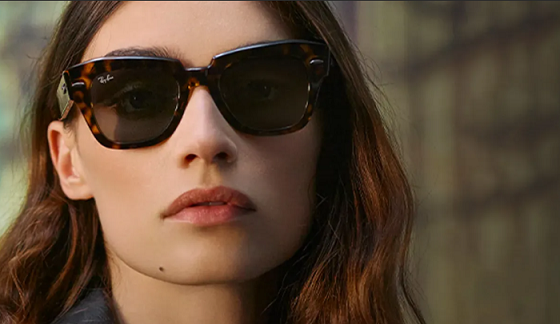
Quality sunglasses elegantly complete an outfit. But beyond that, they also protect your eyes, keep you comfortable outdoors, and offer long-term value that cheap alternatives simply cannot match. For many women, choosing well-made eyewear is not just about style; it is a practical decision that supports everyday comfort and overall well-being.
Good sunglasses are a small item, but they make a big difference. Whether you spend time driving, walking, traveling, or working outdoors, the right pair protects you from the sun’s harsh elements while complementing your personal style. Understanding the benefits helps you make a confident choice that offers both immediate comfort and long-term advantages.
Why Eye Protection Should Come First
Strong sunlight can affect your eyes more than you realize. Long hours outdoors expose you to UV rays that may contribute to discomfort or more serious concerns over time. High-quality sunglasses give your eyes the shielding they need, helping you enjoy brighter days without strain.
A well-designed pair blocks a high percentage of UVA and UVB rays, giving your eyes a consistent layer of protection throughout the year. This is especially useful for women who spend extended time outside, whether for work, fitness, travel, or daily errands. Quality lenses also help reduce glare from reflective surfaces such as water, windshields, concrete, and snow. This makes tasks like driving or outdoor sports safer and far more comfortable.
Women are also more likely to experience certain age-related eye changes, so long-term protection matters. Consistently wearing sunglasses with reliable UV filtering can support healthy vision and reduce the daily stress sunlight places on your eyes.
What Makes Quality Sunglasses Last Longer
Cheap sunglasses may be tempting, but they rarely last. Frames break easily, lenses scratch quickly, and the protective coating often fades after a short period of use. Investing in durable eyewear saves money and avoids the cycle of constant replacements.
High-quality sunglasses are built with stronger materials that withstand bending, drops, and everyday handling. Premium lenses maintain clarity even after months of wear, and good hinges keep everything aligned and secure. Many well-made pairs also come with better case protection, making it easier to keep them in top condition.
Durability is not only about physical strength; it is also about consistent performance. Reliable sunglasses maintain their level of UV protection, lens clarity, and fit over time, giving you dependable comfort whenever you put them on.
Investing in high-quality women’s sunglasses also means choosing lenses and frames that can manage daily wear, shifting weather conditions, and changing fashion preferences without losing their appeal.
How Premium Sunglasses Enhance Personal Style
Sunglasses are one of the most expressive accessories a woman can own. They add character to your look, elevate simple outfits, and help you create a signature style without effort. Investing in a quality pair means you’re choosing a piece that enhances your wardrobe instead of something that fades quickly or feels outdated after a season.
Well-designed sunglasses come in shapes, colors, and sizes that flatter different face types. Whether you prefer something bold and modern or understated and classic, good brands offer options that complement your features without overwhelming your natural look. Because they are made with better materials, they tend to keep their shape and finish, which helps them stay stylish for longer.
A refined pair of sunglasses can pull together work outfits, casual weekend clothes, or travel looks. It is one accessory that follows you through many situations, making it worth choosing a design you enjoy wearing regularly.
Why Comfort Matters More Than You Think
Comfort often separates high-quality sunglasses from cheaper substitutes. When eyewear is well-fitted, you barely notice it on your face. Poorly made frames, on the other hand, cause pressure on the nose bridge, slide down during warm weather, or pinch behind the ears.
Quality sunglasses use lightweight materials that sit comfortably on the face without creating tension. The weight is balanced, the arms align properly, and the nose pads fit securely without leaving marks. This is especially important for women who wear their sunglasses for long periods while traveling, driving, or spending time outdoors.
Better lenses also help reduce eye fatigue. Clearer optics mean you do not have to squint or adjust your focus repeatedly. This makes daily tasks easier and reduces the strain that often appears after hours in bright light.
Choosing Brands That Prioritize Quality and Sustainability
Well-established eyewear brands have years of craftsmanship behind them. This experience translates into consistent quality, thoughtful design, and dependable protection. Choosing sunglasses from a reputable company means you are investing in something tested, refined, and built to last.
Many brands are also moving toward more sustainable practices. They use responsibly sourced materials, reduce waste, and create packaging that has a lower environmental impact. For women who value eco-friendly decisions, selecting sunglasses from companies with transparent and ethical manufacturing practices offers added peace of mind.
Good brands also provide better customer support. If you need adjustments, repairs, or replacement parts, reliable companies typically have better options available than budget alternatives.
The Wider Health Benefits of Wearing Sunglasses
Sunglasses support more than your vision. They also help protect the delicate skin around your eyes, where signs of aging often appear first. Prolonged exposure to sunlight can accelerate fine lines and make the skin feel more sensitive. A good pair of sunglasses reduces this exposure, keeping the area more comfortable and better shielded.
Bright light can also trigger headaches or migraines in some women. Quality lenses reduce harsh glare and soften the visual intensity of sunny days, helping you feel more at ease outdoors.
If you’re active outdoors, sunglasses become part of your overall health routine. They keep your eyes from drying out in windy environments, reduce irritation from dust or sand, and make movement more comfortable during long walks, hikes, or bike rides.
Conclusion
Investing in high-quality sunglasses is more than a style decision; it is a smart choice that protects your eyes, boosts comfort, and adds long-lasting value to your everyday life. Quality women’s sunglasses give you reliable UV shielding, better vision clarity, and a level of durability that cheap alternatives rarely match. They also enhance your personal style and offer a level of comfort that makes long days outdoors far more enjoyable.
When you choose a pair that combines good craftsmanship, thoughtful design, and dependable protection, you are investing in something that supports your well-being every day. A single, well-made pair becomes an essential part of your wardrobe, your safety, and your confidence in the sun.

Switching from glasses to contact lenses feels exciting, but it can also seem intimidating if you’ve never used lenses before. Many people make the shift because they want more freedom, clearer peripheral vision, or a different everyday experience. The process is far easier when you understand what to expect and follow a simple step-by-step approach. With the right guidance, you can switch comfortably, safely, and confidently.
Why Glasses Still Matter Before Switching
Before diving into contacts, it helps to appreciate the role your eyeglasses already play.
They remain the foundation of your vision routine, even if you plan to wear contacts most of the time.
Glasses offer:
● Reliable vision correction without direct eye contact
● A comfortable option for days when your eyes feel tired
● A stylish accessory that complements personal expression
● A backup for situations when contacts aren’t suitable
Glasses give your eyes a break, especially during allergies, dry weather, or long screen sessions. Even seasoned contact lens wearers rely on their glasses regularly.
What You Should Know About Contact Lenses Before Trying Them
Contact lenses come in different types, materials, and replacement schedules.
Understanding the basics helps you make choices that suit your lifestyle.
Main types include:
● Daily disposables: Fresh pair every day; great for beginners and sensitive eyes.
● Bi-weekly or monthly lenses: Reusable and cost-effective, but require cleaning and proper storage.
● Rigid gas permeable lenses: Durable with crisp vision, though they require a longer adaptation period.
● Toric lenses: Designed to correct astigmatism.
● Multifocal lenses: Helpful for those who need different correction zones for near and distance vision.
Contacts sit directly on the eye, so the right fit, moisture balance, and material make a big difference in comfort. Knowing these basics prepares you for the next step: a professional fitting.
Why a Professional Eye Exam Is Essential
Even if you recently updated your glasses prescription, a contact lens exam is still necessary. Contacts require different measurements and assessments to ensure safe, comfortable wear.
During a contact lens exam, your provider checks:
● The shape and curvature of your cornea
● Tear film quality and dryness levels
● Your eye health and any sensitivities
● The lens size and material best suited for your needs
● Whether you need specialty lenses (for astigmatism, presbyopia, etc.)
This appointment also includes time to learn how to insert and remove your lenses.
Professional guidance reduces frustration and ensures a proper, secure fit.
How to Select the Right Contact Lenses for Your Needs
Choosing the right contact lenses goes beyond prescription numbers. Lifestyle, daily routine, and eye comfort all influence what works best for you.
Key factors to consider:
● How long you want to wear them: Some people prefer quick, disposable options, while others are comfortable with longer-use lenses.
● Your sensitivity level: If your eyes dry easily, breathable or moisture-rich lenses may be better.
● Your work environment: Long screen hours or dusty spaces may require a different type of lens.
● Your activity level: Athletes or frequent travelers often prefer convenient daily disposables.
Your provider will guide you based on your habits, but it helps to be honest about what you can maintain consistently.
Mastering the Techniques for Putting In and Removing Contacts
This step is the one that often feels intimidating, but it becomes routine with practice. Your first attempts may feel awkward, but that’s normal. The key is patience and consistency.
Tips for inserting lenses comfortably:
● Wash and dry your hands thoroughly.
● Place the lens on the tip of your finger and check that it’s not inside-out.
● Look slightly upward and gently place the lens on the lower part of your eye.
● Blink slowly to settle the lens in place.
Tips for removing lenses:
● Keep your hands clean and completely dry.
● Look up and gently slide the lens downward.
● Pinch it softly between your fingers and remove it.
● Never rush the process; smooth, calm motions prevent irritation.
Your provider will walk you through the process during your appointment, but practicing at home builds confidence quickly.
The Hygiene Habits Every Contact Lens Wearer Must Follow
Contacts require careful cleaning and storage to keep your eyes healthy. Proper hygiene reduces irritation and prevents infections.
Important habits include:
● Always wash your hands before handling lenses.
● Use only the recommended cleaning solution—never water or saliva.
● Replace the lens case every few months.
● Keep lenses away from showers, pools, and hot tubs unless using dailies.
● Follow the proper replacement schedule.
● Never sleep in lenses unless specifically approved.
Consistency matters. Even small lapses can cause discomfort, so build a routine that fits naturally into your day.
How to Transition Gradually and Build Confidence with Contacts
Switching abruptly from glasses to wearing contacts all day can overwhelm your eyes. A gradual approach helps your eyes adjust and keeps the experience positive.
A simple transition plan could look like:
● Day 1–2: Wear contacts for 2–3 hours.
● Day 3–5: Increase to 4–6 hours.
● Day 6–7: Wear them for most of the day.
● Week 2 onward: Use them as needed and alternate with glasses.
As you adjust, you’ll learn when your eyes need breaks and which environments affect your comfort. Over time, inserting and removing lenses will feel natural, and wearing them will become second nature.
Conclusion
Switching from glasses to contact lenses doesn’t have to be difficult. With a clear understanding of lens types, a proper eye exam, and good hygiene habits, the transition becomes smooth and stress-free. Contacts give you flexibility, freedom, and a new sense of visual comfort, but your glasses remain a dependable backup whenever your eyes need a rest.
By taking it step by step, staying consistent with care, and giving yourself time to adapt, you can enjoy contacts confidently and comfortably without the hassle.


Death by a thousand clicks – government censorship of Canada’s internet

Chinese Billionaire Tried To Build US-Born Baby Empire As Overseas Elites Turn To American Surrogates

Viral TikTok video shows 7-year-old cuddling great-grandfather before he’s euthanized

Politicians should be honest about environmental pros and cons of electric vehicles
-
 armed forces2 days ago
Ottawa’s Newly Released Defence Plan Crosses a Dangerous Line
-
 Alberta2 days ago
Alberta’s huge oil sands reserves dwarf U.S. shale
-
 Energy2 days ago
Canada’s sudden rediscovery of energy ambition has been greeted with a familiar charge: hypocrisy
-
 Alberta2 days ago
Canada’s New Green Deal
-
 Business2 days ago
COP30 finally admits what resource workers already knew: prosperity and lower emissions must go hand in hand
-
 Business1 day ago
Ottawa Pretends To Pivot But Keeps Spending Like Trudeau
-
 Agriculture5 hours ago
Why is Canada paying for dairy ‘losses’ during a boom?
-
 Indigenous2 days ago
Residential school burials controversy continues to fuel wave of church arsons, new data suggests