
Community
LOCAL MOM AND SON: EMPOWERING CHILDREN THROUGH KNOWLEDGE OF MENTAL HEALTH & ADDICTION


Yesterday was the last day of Suicide Awareness Week. It was also my brothers birthday. But for me, like millions of others around the world it doesn’t end this month or this week or on September 15th. How I see the world and the people in it was forever changed just after 3 am on March 18, 2012.
I see you. I see the ones so ashamed and scared to speak the truth. I see trauma. I see secrets. I see family members fighting and blaming. I often see doctors and therapists looking in the wrong direction. I see our loved ones dying. I see love. I see hope. Mostly I see love and hope.
I come from a long line of alcoholics, which is now known as substance use disorder (SUD). I say this with complete love and respect for my loved ones, and even though no one discussed this within my family, from the time I was a 5-year-old child it was impossible to ignore as I could see the devastation, heartbreak, and struggle with my own two eyes.
However, what wasn’t so obvious was that mental illness also ran in our family. Anxiety, depression, and bipolar disorder was, and continues to be, a well-kept family secret.
But silence and secrets perpetuate an unhealthy environment of shame. I know, because I was that little girl once, the one who overheard secret whispers. And although no one told me directly, the message was loud and clear, “Addiction and mental illness are shameful, you don’t ask questions; you look the other way and you hide them at all costs.”
We need to begin the conversation in our own homes. No one will ever find the courage to seek help or speak publicly if we can’t even speak about these topics privately in our own families.
My son, Ryan, started struggling with severe anxiety in Grade 1. With no explanation, advice, or whisper from my family that this might be a non-obvious kind of illness — something that is sometimes called an “invisible illness.” His dad and I were left on our own for months trying to maneuver our way through what was causing his panic attacks and tears. At appointment after appointment, while poking and prodding Ryan, and carrying out countless blood tests and medical exams, doctors assured us there was nothing wrong with him physically.
I was tortured. What is happening with my little boy? How can I make this better for him?
With no other explanation at the time, I was convinced that he must have been sexually abused at school. I was so relieved to find out eventually that I was wrong. I can’t help but think about how much time, effort, and unnecessary trauma we caused our young son. Had we known earlier about the mental illness in our family tree, we might have all walked an easier path.
Years later, we lost that much-loved member of our family — a sweet, kind, sensitive, soft-spoken man — to alcohol addiction and mental illness. My younger brother, Brett, Ryan’s uncle, lost his brave battle in March 2012. He was 39. I watched helplessly as shame and discomfort stopped him from talking about his feelings, broke down his spirit, and made him feel that the situation was hopeless.
And it wasn’t hopeless.
I was raised in the 1970s. It wouldn’t have been a reasonable expectation to have these open discussions back then, and I accept that. But I can’t help wondering if things might have turned out differently for my brother if we had worked through some of our early childhood trauma in our adult lives.
But we can’t go back; life is about moving forward. My perspective is that I am blessed and proud to be part of a changing world where we are encouraged to speak openly and honestly about our experiences, including addiction and mental health. And I believe that encouragement starts with young children.

Years later, Ryan and I were reminded once again that life has unexpected challenges and doesn’t always go as planned.
On June 3rd, 2017, I had a mental health breakdown that landed me in the hospital.
One day I was myself; the next day I wasn’t. During the next twelve months, I came to understand firsthand what it is like to wrestle with thoughts and feelings you can’t control, thoughts that plague your mind every waking moment as I fought my way through fear, anxiety and clinical depression.
Since my son was a little boy, I tried to do things differently than how it was done in my family when I was a child. Ryan and I have always talked about things openly, ever since that first experience when he was 6 years old. We discussed understanding his feelings and anxiety, and later addiction and the dangers of self-medicating with alcohol. We did that all so that he is aware not only of himself, but has empathy and compassion for others; you never know what someone else is going through.
I have two young nieces who were only 6 and 13 when their beloved Uncle Brett died. Unlike other family members of mine, I have spoken to my nieces openly and truthfully ever since that very day. As they grow up, I talk about the topic more in-depth, being sensitive to how old they are at the time; always with honesty, love, and without shame.
My niece Kaddi is now 12 she graduated last year from the sixth grade. The class had to do an oral report on a topic that meant something to them, and she chose alcoholism. She is as comfortable speaking about it as she is with the knowledge that her grandmother passed away from breast cancer before she was born. I was overwhelmed with pride and thought to myself, “I hope that teacher knows how amazing and brave that little girl is.”
Her sister, Payton, is now 19. She has a big bold tattoo on her left arm of bear paws bearing Brett’s name. When people ask what it means, she answers kindly, lovingly, and honestly, “That is my uncle who struggled with alcoholism and died by suicide.”

When we talk honestly and openly to our children, they can grow up to have no stigma or judgment toward those struggling through addiction and/or mental illness. These young children will not only grow up to be more aware but to be more empathetic, kind, caring, and compassionate as they maneuver their way in this world and lead others to be more kind and caring too.
I am proud to see those qualities in my son; he is no longer a child, but a 25-year-old man. It should not go unnoticed that one of the traits I am most proud of is his desire to challenge himself and come out of his comfort zone. As he is typically more reserved and has a quiet personality. His commitment to help others by being a positive role model not only to young boys but to grown men is admired. He knows that it does not make us weak to talk about our feelings and to reach out for help. We could use more people like him in this world, as his quiet demeanor means he listens and sometimes that is all someone needs, someone to listen.
We both know how blessed we are every minute of every day, and that some people aren’t so fortunate for a variety of reasons, including possibly not having the loving support of friends and family. It is important to both my son and I to give back and to use our experiences to bring people together, to give them strength to speak their truth.
I am proud to stand beside my son, sharing our story and speaking without shame.
May we all have the courage to open our eyes and our hearts a little wider. Not this week. Not today. But everyday.
Jodee Prouse and her son Ryan are advocates to help eliminate the shame and stigma surrounding mental illness and addiction. Jodee is the author of the powerful memoir, The Sun is Gone: A Sister Lost in Secrets, Shame and Addiction and How I Broke Free. To contact them for a speaking engagement from a loving family perspective on mental health, addiction, childhood trauma and other topics email- [email protected]



From the Fraser Institute
By Jake Fuss and Grady Munro
There would have been 1.5 million more Canadians who donated to charity in 2023—and $755.5 million more in donations—had Canadians given to the same extent they did 10 years prior
According to recent polling, approximately one in five Canadians have skipped paying a bill over the past year so they can buy groceries. As families are increasingly hard-pressed to make ends meet, this undoubtedly means more and more people must seek out food banks, shelters and other charitable organizations to meet their basic necessities.
And each year, Canadians across the country donate their time and money to charities to help those in need—particularly around the holiday season. Yet at a time when the relatively high cost of living means these organizations need more resources, new data published by the Fraser Institute shows that the level of charitable giving in Canada is actually falling.
Specifically, over the last 10 years (2013 to 2023, the latest year of available data) the share of tax-filers who reported donating to charity fell from 21.9 per cent to 16.8 per cent. And while fewer Canadians are donating to charity, they’re also donating a smaller share of their income—during the same 10-year period, the share of aggregate income donated to charity fell from 0.55 per cent to 0.52 per cent.
To put this decline into perspective, consider this: there would have been 1.5 million more Canadians who donated to charity in 2023—and $755.5 million more in donations—had Canadians given to the same extent they did 10 years prior. Simply put, this long-standing decline in charitable giving in Canada ultimately limits the resources available for charities to help those in need.
On the bright side, despite the worrying long-term trends, the share of aggregate income donated to charity recently increased from 0.50 per cent in 2022 to 0.52 per cent in 2023. While this may seem like a marginal improvement, 0.02 per cent of aggregate income for all Canadians in 2023 was $255.7 million.
The provinces also reflect the national trends. From 2013 to 2023, every province saw a decline in the share of tax-filers donating to charity. These declines ranged from 15.4 per cent in Quebec to 31.4 per cent in Prince Edward Island.
Similarly, almost every province recorded a drop in the share of aggregate income donated to charity, with the largest being the 24.7 per cent decline seen in P.E.I. The only province to buck this trend was Alberta, which saw a 3.9 per cent increase in the share of aggregate income donated over the decade.
Just as Canada as a whole saw a recent improvement in the share of aggregate income donated, so too did many of the provinces. Indeed, seven provinces (except Manitoba, Nova Scotia and Newfoundland and Labrador) saw an increase in the share of aggregate income donated to charity from 2022 to 2023, with the largest increases occurring in Saskatchewan (7.9 per cent) and Alberta (6.7 per cent).
Canadians also volunteer their time to help those in need, yet the latest data show that volunteerism is also on the wane. According to Statistics Canada, the share of Canadians who volunteered (both formally and informally) fell by 8 per cent from 2018 to 2023. And the total numbers of hours volunteered (again, both formal and informal) fell by 18 per cent over that same period.
With many Canadians struggling to make ends meet, food banks, shelters and other charitable organizations play a critical role in providing basic necessities to those in need. Yet charitable giving—which provides resources for these charities—has long been on the decline. Hopefully, we’ll see this trend turn around swiftly.


|

|
|

|
|
|



Western Campuses Help Build China’s Digital Dragnet With U.S. Tax Funds, Study Warns
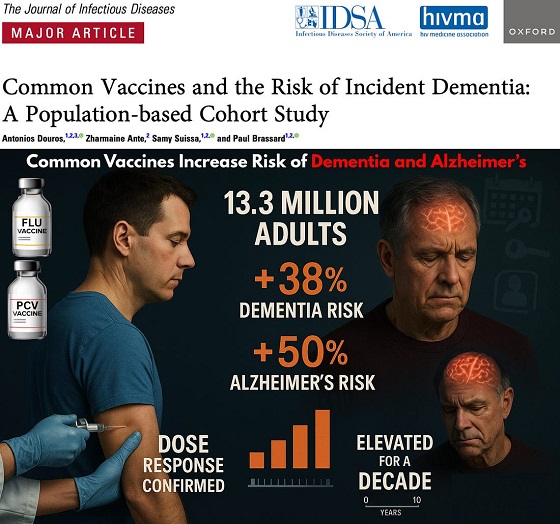
Common Vaccines Linked to 38-50% Increased Risk of Dementia and Alzheimer’s

Trump DOJ seeks to quash Pfizer whistleblower’s lawsuit over COVID shots

The $50 Billion Question: EVs Never Delivered What Ottawa Promised
-
 Digital ID2 days ago
Canada releases new digital ID app for personal documents despite privacy concerns
-
Community2 days ago
Charitable giving on the decline in Canada
-
 Bruce Dowbiggin2 days ago
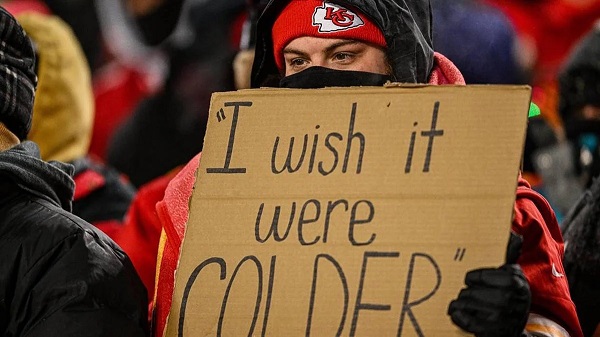
NFL Ice Bowls Turn Down The Thermostat on Climate Change Hysteria
-
 Energy2 days ago
Canada’s sudden rediscovery of energy ambition has been greeted with a familiar charge: hypocrisy
-
 Crime2 days ago
Trump designates fentanyl a ‘weapon of mass destruction’
-
 Energy2 days ago
Can we not be hysterical about AI and energy usage?
-
 Energy2 days ago
Energy security matters more than political rhetoric
-
 Alberta1 day ago
Canada’s New Green Deal