
Community
Local Hosts Lead Master Classes


The MS Whisky & Wine Festival is an intimate event hosted by the MS Society of Canada, Central Alberta Chapter. Noted for the high level of vendor/guest interaction, the intention of the event is to provide for whisky and wine enthusiasts whether they’re interested in learning or have the most discerning palate. Our VIP Guests will have opportunity to further heighten their knowledge and experience through a Master Class of their choice. As part of a small group, VIP Guests will sit in a breakout room and focus on a number of products reflecting a particular genre. This year’s Master Classes feature notable local hosts chosen for their passion, knowledge, hospitality and their ability to educate with a flair of entertainment!
Matt Buck – VIP Whisky Master Class
Whisky has an incredibly rich history, tightly woven through the fabric of society. As we move toward the future, increasing demand for Scottish Malt Whisky is putting pressure on producers and driving the industry in new and uncharted directions. We will examine the effects of Scotch’s past on its present and future, and take a tasting journey through a selection of these controversial bottlings.
I’m a full time Bartender and the General Manager of To The Lost, Forgotten Alley, and the newly opened Gusto in Red Deer’s Downtown core, and I’m also half of Old Fashioned Cocktails- a hospitality and cocktail consulting company dedicated to elevating the culture of drink in Central Alberta. I am very excited to be scheduled to write the exam to obtain Certification as a Spirits Specialist by the end of this year.
Whether it’s a cocktail you prefer, or a glass of wine, a pint of ale or a dram of whisk(e)y, drinking is a way of slowing down, it’s the act of appreciating something that was crafted with care and dedication, a product with a birthplace, a story, and a personality.
BJ Tumanut – VIP Wine Master Class

It’s difficult for me to taste wine without wondering about its story: where it came from, the history of the area and winery and how it was grown. I wonder who made it, what I would eat it with, and why it was made a certain way and not another. To me, wines are stories.
I was born and raised in Kansas City, Missouri but it was only after I moved to Edmonton in 1997 that my interest in the world of wine was born. I first studied wine casually on my own but soon began pursuing a formal wine education. I studied with the International Sommelier Guild and developed a career in fine wine in Edmonton from 1999 to 2002.
At the end of 2002, I decided I needed a change and I swapped my wine glasses for chocolate boxes and managed the three Chocolates by Bernard Callebaut stores in Edmonton for eight years. Chocolate was a great fit for me, so much so that in 2011 I moved to Red Deer to own and operate my own store. I’ve been enjoying Red Deer ever since and around town people call me “CocoLady”.
Currently I’m working on my Level 3 Award in Wines from the Wine & Spirit Education Trust based in London, England. I’ve also started to dabble in wine writing as I’ve begun to write for Central Alberta Home & Lifestyles magazine. I’ve also received sensory training and earned my Canadian Wine Scholar Certificate from Fine Vintage Ltd. My thirst for wine education continues! I’m currently enrolled in the BC Wine Ambassador Program: Level One and the Fine Vintage Ltd Sommelier program.
Join us January 17, 2017!
For event information and tickets please visit www.reddeerwhiskyfestival.ca



From the Fraser Institute
By Jake Fuss and Grady Munro
There would have been 1.5 million more Canadians who donated to charity in 2023—and $755.5 million more in donations—had Canadians given to the same extent they did 10 years prior
According to recent polling, approximately one in five Canadians have skipped paying a bill over the past year so they can buy groceries. As families are increasingly hard-pressed to make ends meet, this undoubtedly means more and more people must seek out food banks, shelters and other charitable organizations to meet their basic necessities.
And each year, Canadians across the country donate their time and money to charities to help those in need—particularly around the holiday season. Yet at a time when the relatively high cost of living means these organizations need more resources, new data published by the Fraser Institute shows that the level of charitable giving in Canada is actually falling.
Specifically, over the last 10 years (2013 to 2023, the latest year of available data) the share of tax-filers who reported donating to charity fell from 21.9 per cent to 16.8 per cent. And while fewer Canadians are donating to charity, they’re also donating a smaller share of their income—during the same 10-year period, the share of aggregate income donated to charity fell from 0.55 per cent to 0.52 per cent.
To put this decline into perspective, consider this: there would have been 1.5 million more Canadians who donated to charity in 2023—and $755.5 million more in donations—had Canadians given to the same extent they did 10 years prior. Simply put, this long-standing decline in charitable giving in Canada ultimately limits the resources available for charities to help those in need.
On the bright side, despite the worrying long-term trends, the share of aggregate income donated to charity recently increased from 0.50 per cent in 2022 to 0.52 per cent in 2023. While this may seem like a marginal improvement, 0.02 per cent of aggregate income for all Canadians in 2023 was $255.7 million.
The provinces also reflect the national trends. From 2013 to 2023, every province saw a decline in the share of tax-filers donating to charity. These declines ranged from 15.4 per cent in Quebec to 31.4 per cent in Prince Edward Island.
Similarly, almost every province recorded a drop in the share of aggregate income donated to charity, with the largest being the 24.7 per cent decline seen in P.E.I. The only province to buck this trend was Alberta, which saw a 3.9 per cent increase in the share of aggregate income donated over the decade.
Just as Canada as a whole saw a recent improvement in the share of aggregate income donated, so too did many of the provinces. Indeed, seven provinces (except Manitoba, Nova Scotia and Newfoundland and Labrador) saw an increase in the share of aggregate income donated to charity from 2022 to 2023, with the largest increases occurring in Saskatchewan (7.9 per cent) and Alberta (6.7 per cent).
Canadians also volunteer their time to help those in need, yet the latest data show that volunteerism is also on the wane. According to Statistics Canada, the share of Canadians who volunteered (both formally and informally) fell by 8 per cent from 2018 to 2023. And the total numbers of hours volunteered (again, both formal and informal) fell by 18 per cent over that same period.
With many Canadians struggling to make ends meet, food banks, shelters and other charitable organizations play a critical role in providing basic necessities to those in need. Yet charitable giving—which provides resources for these charities—has long been on the decline. Hopefully, we’ll see this trend turn around swiftly.


|

|
|

|
|
|



Wayne Gretzky’s Terrible, Awful Week.. And Soccer/ Football.

Western Campuses Help Build China’s Digital Dragnet With U.S. Tax Funds, Study Warns

Common Vaccines Linked to 38-50% Increased Risk of Dementia and Alzheimer’s

Trump DOJ seeks to quash Pfizer whistleblower’s lawsuit over COVID shots
-
 Great Reset2 days ago
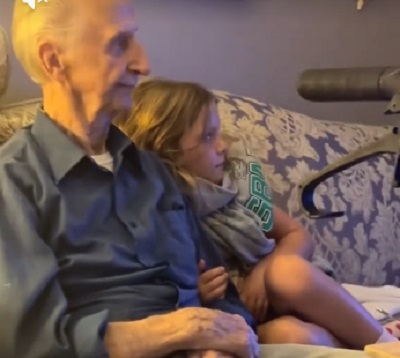
Viral TikTok video shows 7-year-old cuddling great-grandfather before he’s euthanized
-
 Daily Caller1 day ago
Chinese Billionaire Tried To Build US-Born Baby Empire As Overseas Elites Turn To American Surrogates
-
 International2 days ago
At Least 15 Killed In Shooting Targeting Jewish Community At Australia’s Bondi Beach, Police Say
-
 Alberta1 day ago
Schools should go back to basics to mitigate effects of AI
-
 Digital ID1 day ago
Canada releases new digital ID app for personal documents despite privacy concerns
-
 International1 day ago
Two states designate Muslim group as terrorist
-
 Business1 day ago
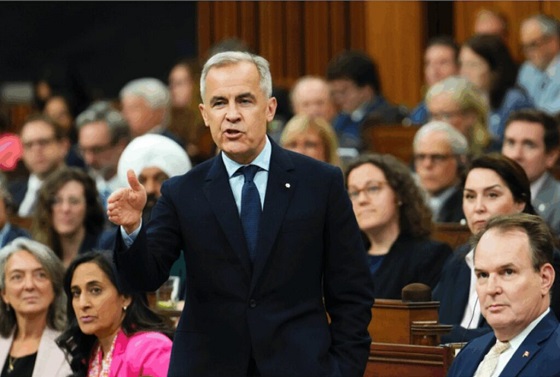
Major tax changes in 2026: Report
-
 Censorship Industrial Complex1 day ago
Death by a thousand clicks – government censorship of Canada’s internet