
Community
Election 2017 is 100 hours old and neighbourhoods and schools have been raised.


The Election of 2017 is now 100 hrs old and the issues are developing.
Out of left field we hear that the public high schools in Red Deer are getting tight. We just opened a new Catholic high school in Red Deer, south of the river. They are hoping to build the next public high school beside it, unless the next school board decides to build it elsewhere.
Two points come up. Red Deer lost 975 residents or 390 families last year according to the 2016 municipal census accepted by city council April of this year. 777 of those residents or 311 families who left Red Deer were living north of the river. Simultaneously, 700 people or 280 families moved to Blackfalds. Guess where the next high school is expected to be built beginning in 2018? Blackfalds is looking at sites, now.
Red deer lost 1% of their population last year and the population north of the river declined 8 times faster than the south side while at the same time, Blackfalds enjoys being one of the fastest growing community in Canada. What do you think will happen when Blackfalds gets their first high school while Red Deer concentrates building all their schools and facilities south of the river?
The last school built north of the river was in 1985 and the only recreational facilities, Dawe, was built in the 1970s.
Red Deer south of the river declined last year also, while Penhold grew. Red Deer lost 198 residents or 39 families south of the river last year. We added 375 new homes but declined in population.
We have plenty of new neighbourhoods, Evergreen, Timberlands, Clearview Ridge, Garden Heights, Southbrook, and expanded new subdivisions like Vanier and they all offer new homes, and we announced Capstone at Riverlands last month.
Empty and expensive streets, transit, power, installation and maintenance borne by the citizens but we still declined in population. The new neighbourhoods may have increased but 25 neighbourhoods decreased. Let us look where the population left their neighbourhoods in the last 4 years;

Waskasoo—————————2016=474—-2013=486
Woodlea—————————–2016=553—-2013=606
Downtown————————–2016=3,197–2013=3283
Parkvale—————————–2016=795—-2013=813
Westpark—————————-2016=5430—2013=5514
South Hill West——————–2016=1582—2013=1712
South Hill East———————2016=1302—2013=1410
Bower——————————–2016=1953—2013=1991
Sunnybrook————————-2016=1411—2013=1430
Grandview————————–2016=950—-2013=1023
Clearview—————————2016=2547—2013=2754
Rosedale—————————–2016=3386—2013=3482
Morrisroe—————————2016=1274—-2013=1279
Morrisroe Ext.———————2016=1643—2013=1782
Anders Park————————2016=2967—2013=3101
Anders South, Aspen Ridge—–2016=3884—2013=3911
Deerpark—————————-2016=3986—-2013=4072
Inglewood—————————2016=4334—2013=4481
Kentwood ————————– 2016=4,267—2013=4,280
Glendale ————————— 2016=4,288—2013=4,393
Normandeau———————— 2016=3,530—2013=3,565
Pines ——————————- 2016=1,718— 2013=1,823
Highland Green ——————- 2016=3,920 —2013=3,979
Oriole Park————————- 2016=5,244 — 2013=5,308
Fairview————————— 2016=710 —– 2013=770
The city as a whole grew 2.8% in 4 years but it was up to 3.8% before last year’s 1% decline.
Building new neighbourhoods did not help, building schools and facilities south of the river slowed the south side decline but ignored the north side.
Candidates; A real issue, hurting real people, any suggestions?
Let us know. Thanks. It would be appreciated.



From the Fraser Institute
By Jake Fuss and Grady Munro
There would have been 1.5 million more Canadians who donated to charity in 2023—and $755.5 million more in donations—had Canadians given to the same extent they did 10 years prior
According to recent polling, approximately one in five Canadians have skipped paying a bill over the past year so they can buy groceries. As families are increasingly hard-pressed to make ends meet, this undoubtedly means more and more people must seek out food banks, shelters and other charitable organizations to meet their basic necessities.
And each year, Canadians across the country donate their time and money to charities to help those in need—particularly around the holiday season. Yet at a time when the relatively high cost of living means these organizations need more resources, new data published by the Fraser Institute shows that the level of charitable giving in Canada is actually falling.
Specifically, over the last 10 years (2013 to 2023, the latest year of available data) the share of tax-filers who reported donating to charity fell from 21.9 per cent to 16.8 per cent. And while fewer Canadians are donating to charity, they’re also donating a smaller share of their income—during the same 10-year period, the share of aggregate income donated to charity fell from 0.55 per cent to 0.52 per cent.
To put this decline into perspective, consider this: there would have been 1.5 million more Canadians who donated to charity in 2023—and $755.5 million more in donations—had Canadians given to the same extent they did 10 years prior. Simply put, this long-standing decline in charitable giving in Canada ultimately limits the resources available for charities to help those in need.
On the bright side, despite the worrying long-term trends, the share of aggregate income donated to charity recently increased from 0.50 per cent in 2022 to 0.52 per cent in 2023. While this may seem like a marginal improvement, 0.02 per cent of aggregate income for all Canadians in 2023 was $255.7 million.
The provinces also reflect the national trends. From 2013 to 2023, every province saw a decline in the share of tax-filers donating to charity. These declines ranged from 15.4 per cent in Quebec to 31.4 per cent in Prince Edward Island.
Similarly, almost every province recorded a drop in the share of aggregate income donated to charity, with the largest being the 24.7 per cent decline seen in P.E.I. The only province to buck this trend was Alberta, which saw a 3.9 per cent increase in the share of aggregate income donated over the decade.
Just as Canada as a whole saw a recent improvement in the share of aggregate income donated, so too did many of the provinces. Indeed, seven provinces (except Manitoba, Nova Scotia and Newfoundland and Labrador) saw an increase in the share of aggregate income donated to charity from 2022 to 2023, with the largest increases occurring in Saskatchewan (7.9 per cent) and Alberta (6.7 per cent).
Canadians also volunteer their time to help those in need, yet the latest data show that volunteerism is also on the wane. According to Statistics Canada, the share of Canadians who volunteered (both formally and informally) fell by 8 per cent from 2018 to 2023. And the total numbers of hours volunteered (again, both formal and informal) fell by 18 per cent over that same period.
With many Canadians struggling to make ends meet, food banks, shelters and other charitable organizations play a critical role in providing basic necessities to those in need. Yet charitable giving—which provides resources for these charities—has long been on the decline. Hopefully, we’ll see this trend turn around swiftly.


|

|
|

|
|
|



Wayne Gretzky’s Terrible, Awful Week.. And Soccer/ Football.

Western Campuses Help Build China’s Digital Dragnet With U.S. Tax Funds, Study Warns
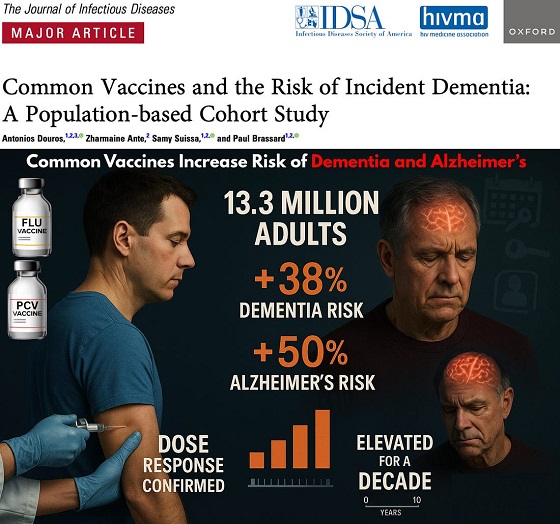
Common Vaccines Linked to 38-50% Increased Risk of Dementia and Alzheimer’s

Trump DOJ seeks to quash Pfizer whistleblower’s lawsuit over COVID shots
-
 Daily Caller1 day ago
Chinese Billionaire Tried To Build US-Born Baby Empire As Overseas Elites Turn To American Surrogates
-
 Great Reset2 days ago
Viral TikTok video shows 7-year-old cuddling great-grandfather before he’s euthanized
-
 Alberta1 day ago
Schools should go back to basics to mitigate effects of AI
-
 International2 days ago
At Least 15 Killed In Shooting Targeting Jewish Community At Australia’s Bondi Beach, Police Say
-
 International1 day ago
Two states designate Muslim group as terrorist
-
 Digital ID1 day ago
Canada releases new digital ID app for personal documents despite privacy concerns
-
 Business1 day ago
Major tax changes in 2026: Report
-
 Censorship Industrial Complex1 day ago
Death by a thousand clicks – government censorship of Canada’s internet