
Alberta
Alberta seeing spike in syphilis cases


Rates of syphilis in Alberta on the rise
Infectious and congenital syphilis rates have escalated across the province over the past five years, with a sharp increase in 2018.
The rapid increase in syphilis cases has spurred Alberta’s chief medical officer of health, Dr. Deena Hinshaw, to declare a provincial outbreak and encourage Albertans to get tested and protect themselves.
“We need to emphasize for all Albertans: Sexually Transmitted Infections (STIs) are a risk to anyone who is sexually active, particularly people who have new sex partners and are not using protection. I encourage anyone who is sexually active to get tested regularly. Anyone in Alberta can access STI testing and treatment for free.”
In response to the sharp rise in 2018, a provincial outbreak coordination committee composed of Alberta Health, Alberta Health Services (AHS) and other provincial health officials has been activated. Over the next three months, the committee will develop a coordinated strategy and determine concrete actions to increase STI testing, promote public awareness and reduce the overall number of syphilis cases in Alberta.
“Sexual health is an important part of overall health. We are working with community partners to remove stigma and increase awareness about STI testing services throughout Alberta. If you are sexually active, make regular STI testing part of your health routine.”
A total of 1,536 cases of infectious syphilis were reported in 2018 compared to 161 in 2014, almost a tenfold increase. The rate of infectious syphilis has not been this high in Alberta since 1948.
Congenital syphilis, which occurs when a child is born to a mother with syphilis, is a severe, disabling and life-threatening disease. While congenital syphilis cases were rare before the outbreak, there were 22 congenital syphilis cases between 2014 and 2018, one of which was stillborn.
Consistent and correct condom use is important protection against STIs such as syphilis. Like other STIs, the symptoms of syphilis may not be obvious. Health experts recommend sexually active people, regardless of gender, age or sexual orientation, get tested every three to six months if they:
- have a sexual partner with a known STI
- have a new sexual partner or multiple or anonymous sexual partners
- have previous history of an STI diagnosis
- have been sexually assaulted
Prenatal care including syphilis testing is available for all Albertans. It is critical that anyone who is pregnant seeks early prenatal care and testing for syphilis during pregnancy.
Anyone experiencing STI-related symptoms should seek testing through their local health-care provider. Call Health Link at 811, visit a STI or sexual health clinic or speak to a family doctor to find testing and treatment options.
Quick facts
- 2018 case counts for infectious syphilis by AHS zone:
- South Zone: 31 cases, an increase of 138.5 per cent compared to 2017
- Calgary Zone: 206 cases, an increase of 7.3 per cent compared to 2017
- Central Zone: 88 cases, an increase of 266.7 per cent compared to 2017
- Edmonton Zone: 977 cases, an increase of 305.4 per cent compared to 2017
- North Zone: 208 cases, an increase of 324.5 per cent compared to 2017
- For further breakdown of STI 2018 numbers, see the 2018 STI and HIV Summary Report.
- Alberta Health works with AHS and community organizations towards prevention, health promotion, outreach testing, education, harm reduction, and addressing stigma. Previous actions include:
- Grants to the Alberta Community Council on HIV to support community organizations across the province to prevent and reduce STIs, reduce harm associated with the non-medical consumption of substances and support health in their own geographic locations.
- Alberta Health has provided three one-time grants totalling a combined $2 million since 2017 to combat the rising rates of STI, including syphilis, focusing on raising awareness and education, reducing stigma and increasing testing and treatment.
- Since 2016, Alberta Health Services and Alberta Health have been working with over 100 provincial partners to develop innovative approaches to increasing access to STI services across the province.

Agriculture
Lacombe meat processor scores $1.2 million dollar provincial tax credit to help expansion

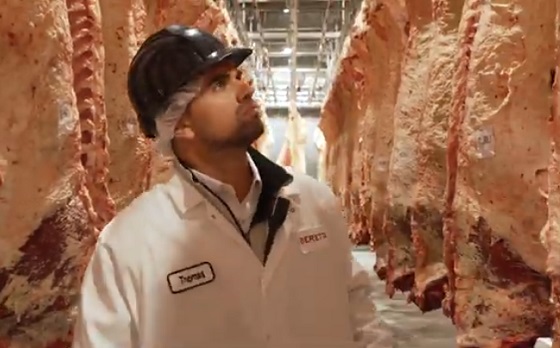
Alberta’s government continues to attract investment and grow the provincial economy.
The province’s inviting and tax-friendly business environment, and abundant agricultural resources, make it one of North America’s best places to do business. In addition, the Agri-Processing Investment Tax Credit helps attract investment that will further diversify Alberta’s agriculture industry.
Beretta Farms is the most recent company to qualify for the tax credit by expanding its existing facility with the potential to significantly increase production capacity. It invested more than $10.9 million in the project that is expected to increase the plant’s processing capacity from 29,583 to 44,688 head of cattle per year. Eleven new employees were hired after the expansion and the company plans to hire ten more. Through the Agri-Processing Investment Tax Credit, Alberta’s government has issued Beretta Farms a tax credit of $1,228,735.
“The Agri-Processing Investment Tax Credit is building on Alberta’s existing competitive advantages for agri-food companies and the primary producers that supply them. This facility expansion will allow Beretta Farms to increase production capacity, which means more Alberta beef across the country, and around the world.”
“This expansion by Beretta Farms is great news for Lacombe and central Alberta. It not only supports local job creation and economic growth but also strengthens Alberta’s global reputation for producing high-quality meat products. I’m proud to see our government supporting agricultural innovation and investment right here in our community.”
The tax credit provides a 12 per cent non-refundable, non-transferable tax credit when businesses invest $10 million or more in a project to build or expand a value-added agri-processing facility in Alberta. The program is open to any food manufacturers and bio processors that add value to commodities like grains or meat or turn agricultural byproducts into new consumer or industrial goods.
Beretta Farms’ facility in Lacombe is a federally registered, European Union-approved harvesting and meat processing facility specializing in the slaughter, processing, packaging and distribution of Canadian and United States cattle and bison meat products to 87 countries worldwide.
“Our recent plant expansion project at our facility in Lacombe has allowed us to increase our processing capacities and add more job opportunities in the central Alberta area. With the support and recognition from the Government of Alberta’s tax credit program, we feel we are in a better position to continue our success and have the confidence to grow our meat brands into the future.”
Alberta’s agri-processing sector is the second-largest manufacturing industry in the province and meat processing plays an important role in the sector, generating millions in annual economic impact and creating thousands of jobs. Alberta continues to be an attractive place for agricultural investment due to its agricultural resources, one of the lowest tax rates in North America, a business-friendly environment and a robust transportation network to connect with international markets.
Quick facts
- Since 2023, there are 16 applicants to the Agri-Processing Investment Tax Credit for projects worth about $1.6 billion total in new investment in Alberta’s agri-processing sector.
- To date, 13 projects have received conditional approval under the program.
- Each applicant must submit progress reports, then apply for a tax credit certificate when the project is complete.
- Beretta Farms has expanded the Lacombe facility by 10,000 square feet to include new warehousing, cooler space and an office building.
- This project has the potential to increase production capacity by 50 per cent, thereby facilitating entry into more European markets.
Related information

From Premier Danielle Smith and Alberta.ca/Next
Let’s talk about an Alberta Pension Plan for a minute.
With our young Alberta workforce paying billions more into the CPP each year than our seniors get back in benefits, it’s time to ask whether we stay with the status quo or create our own Alberta Pension Plan that would guarantee as good or better benefits for seniors and lower premiums for workers.
I want to hear your perspective on this idea and please check out the video. Get the facts. Join the conversation.
Visit Alberta.ca/next

New Peer-Reviewed Study Affirms COVID Vaccines Reduce Fertility

Ottawa Funded the China Ferry Deal—Then Pretended to Oppose It
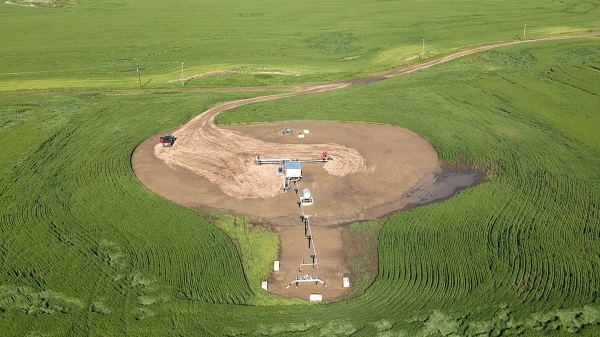
The permanent CO2 storage site at the end of the Alberta Carbon Trunk Line is just getting started

Canada’s euthanasia regime is not health care, but a death machine for the unwanted
-
 Agriculture2 days ago
Canada’s supply management system is failing consumers
-
 Economy2 days ago
Trump opens door to Iranian oil exports
-
 Alberta1 day ago
COVID mandates protester in Canada released on bail after over 2 years in jail
-
 Business1 day ago
Canada’s loyalty to globalism is bleeding our economy dry
-
 Business1 day ago
Carney’s spending makes Trudeau look like a cheapskate
-
 armed forces23 hours ago
Canada’s Military Can’t Be Fixed With Cash Alone
-
 Crime1 day ago
Project Sleeping Giant: Inside the Chinese Mercantile Machine Linking Beijing’s Underground Banks and the Sinaloa Cartel
-
 Alberta1 day ago
Alberta uncorks new rules for liquor and cannabis