
Also Interesting
Ontario sports betting market flourishing; other provinces closely monitoring



If you reside in Ontario, it has been difficult to avoid mentioning sports betting. You’ve probably seen the advertisements and heard the hoopla since the province opened its regulated online gambling market a year ago, and at this point you know how to participate.
In 2021, Canada legalized single-event sports betting, but Ontario was the first province to implement a regulated sports betting system that would enable numerous operators to offer legitimate, online sports gambling services. Numerous Ontarians are enthralled by this more open world of sports betting, and as a result, more than twenty organizations are competing for this sports-related niche of the larger provincial online gambling industry.
However, as the product offerings develop and the market matures, industry analysts and operators predict more changes for sports betting in Canada in the near future.
High revenue

After a year, the Ontario government still seems pleased with the health of the regulated online gaming sector, which has operators providing sports betting services along with casino and poker activities as well as top betting apps. According to a Ministry of the Attorney General spokesperson, Ontario’s “safe, legal, and competitive online gaming market” fosters business possibilities, safeguards consumers, and generates income that “helps pay for government priorities.”
The first, second, and third quarters of the first year of the online gambling sector each saw billions of dollars in bets placed, according to data from iGaming Ontario (iGO), a division of the Alcohol and Gaming Commission of Ontario. The public does not yet have access to fourth-quarter statistics.
However, the percentage of these wagers that are solely from sports betting is not broken down in these totals. The Ontario Lottery and Gaming Corporation (OLG), which keeps track of its own sports betting transactions, is not included in these totals either. In its annual report for 2021–2022, it states that OLG’s PROLINE+ brand handled $1 million in bets just days after single-event betting became available, months before the opening of the broader regulated market.
Other provinces are closely monitoring the Ontario market

Other provincial governments are interested in learning from Ontario’s experience, notably Alberta, which has just one legal gambling website operating right now.
The communications manager for Alberta Gaming, Liquor and Cannabis (AGLC), Karin Campbell, told CBC News that PlayAlberta.ca “has witnessed tremendous growth since launching its sports offering” a year and a half ago. She attributed this to the associated betting activities as well as newly accessible online lottery services.

The regulator, according to Campbell, is “supporting the successful and legal implementation of an expanded sports betting market” and is closely watching Ontario’s market developments.
Single-event sports betting is also attracting many customers on PlayNow.com, British Columbia’s only legal, regulated gambling website, in which punters placed $170 million on sports wagers in the first year of legalized online gambling.
The bulk of sports wagers on the site are single-event bets, according to Matt Lee, a spokesperson for the British Columbia Lottery Corporation. Lee stated that the lottery organization “continues to evaluate what sports-betting experiences” may be provided in the future given the interest in these services.
The Atlantic Lottery Corporation is the sole authorized supplier of single-event sports betting in Atlantic Canada. Greg Weston, the spokesperson for the institution, stated that “sales have been strong since the option became available.”
As time goes on, Peter Czegledy, a partner at Toronto’s Aird & Berlis LLP and the head of its gaming division, believes that “Ontario will not be alone” in enabling private operators to compete with long-established government operators in online gambling, including sports betting. But he said that the strategy can vary depending on the jurisdiction.
The journey ahead
Some industry observers predict that over time, there will be fewer enterprises competing in Ontario’s market.
A core number of large enterprises will ultimately emerge, according to Michael Naraine, an associate professor in Brock University’s Department of Sport Management in St. Catharines, Ontario. He anticipates that there will be some consolidation and some failures.
Naraine predicted that there will eventually be seven or eight significant firms, citing Coolbet’s recent exit as evidence that the market’s current composition would not be long-term viable.
According to Czegledy, it’s conceivable that additional operators will enter and leave the Ontario market in the future. Nevertheless, according to him, a more pertinent query is “what categories of operators have or have not undergone regulation, and what proportion of the market they make up”. He concluded that, according to those metrics, Ontario has done well thus far.


Ontario is Canada’s biggest province and serves as both a cultural and economic center for the nation. It is a province renowned for its innovation, and one area where they have certainly showcased their innovation is in the digital betting space. Ontario has fully leaned into the online betting world by allowing for government-regulated sports betting sites and casinos, something most other provinces are lagging far behind on.
Ontario has embraced the world of betting with its provincial regulator, iGaming Ontario, and they have seen a surge of benefits follow. Other provinces, such as Alberta and Quebec, are presumed to be considering making similar moves. But why is it that these other provinces would follow Ontario’s lead here? What are the core benefits that embracing the digital casino
market could provide? Let’s explore below.
Consumer Protection:
One of the biggest concerns for most provinces when it comes to virtual betting is potential dangers to consumers. Provinces don’t want to be seen as encouraging gambling, particularly when addiction is such a major problem. But what we have seen with online casinos in Ontario is that the consumer protection benefits from legalized betting are numerous. Having a primary
regulator based within the province allows for stronger enforcement of mandatory systems like age verification, spending controls, and self-exclusion programs. While, of course, gambling will always come with associated risks, legalization can also bring more stringent regulation of those risks. It is something of a double-edged sword, as it spreads gambling but also likely makes it safer.
Job Creation:
All provincial leaders want to be seen as expanding the economy, contributing to growing industries and creating more opportunities for their residents. The online gambling industry in Ontario has certainly done that. It is a surprise that more provinces haven’t seen the job figures and jumped at the potential opportunity. According to CBC, legalized betting in the province has contributed 15,000 jobs to Ontario, across both sports and casinos. That is a major outcome that should not be ignored. Operators from around the world, like FanDuel and PointsBet, have opened offices in Ontario, creating employment centers and adding to the economy.
Tax Revenue:
Arguably, the biggest thing that is enticing for governments about the situation in Ontario is how much taxable revenue the legalized sports betting market is creating. The Ontario market is projected to hit $3.2 billion in taxable revenue from online casinos, significant growth year over year. That is a vast figure that was completely absent from the market before the changes in regulation in the province. While it is unlikely that other provinces would see numbers of that size, given Ontario’s substantially higher population, there is no question that there would be a ton of extra money flowing in if countries embrace virtual casinos and sports betting. This is money that can support public services and infrastructure, go to resources like safe gambling groups, and overall contribute to the benefit of society.
Combatting the Foreign Market:
This is something that also fits in with the consumer protection grounds. Before Ontario had initiated its changes to the gambling industry, bettors would rely on offshore sportsbooks for most of their gambling. These are betting sites situated in locations like Curacao and Malta, where gambling regulations are not particularly stringent. That means provincial governments would have no control over the regulations of the websites that the betting sites and casinos use.
This obviously poses fairness and safety concerns. Beyond that, it is also a source of money that is flowing away from Canada and to foreign companies. Provinces would be wise to ensure that money doesn’t leave their borders.
Innovation:
The online betting industry is one that does not appear poised to be going anywhere, with major growth year over year. Becoming a hub for the industry and embracing innovation will allow provinces to remain on the cutting edge. Ontario has quickly taken on this status, with major local offices and inter-industry partnerships that foster dynamic tech growth. We are seeing the creation of high-quality Canadian brands that are achieving incredible success, and that is something that should make other provinces excited. The potential for the industry is massive. While safety has to be at the forefront, regulating this growing space seems to be the safest bet.
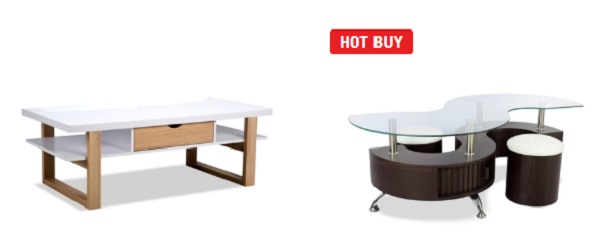
A good coffee table is both a useful piece of furniture and a statement piece in the design of your living room. You need to go to a store that sells a lot of different styles, materials, and prices to find a table that fits your space. This guide lists 8 of the best Canadian furniture stores that sell coffee tables that look great and are a good deal.
Why It’s Important to Pick a Coffee Table
The coffee table is a key part of your living room’s design because it holds drinks, shows off decorations, and gives you more space. You should think about the style of the room, the space you have, the materials you like, and your daily needs before making a decision. In Canada, where stores sell a wide range of styles, from modern minimalist to classic traditional, it’s easier
than ever to find the perfect coffee table.
8 of the Best Places in Canada to Get Coffee Tables
1. The Brick: A Lot of Different Styles at Good Prices
The Brick is one of Canada’s most trusted furniture stores. They have a huge selection of coffee tables in modern, transitional, and traditional styles. They have tables with glass tops, wood designs, metal accents, and modern geometric shapes. The prices range from low to high. The Brick makes it easy to choose and buy a coffee table because they have regular sales,
financing options, and staff who know a lot about them. Homeowners can find tables that fit both their style and function needs because they have such a wide range of options.
2. IKEA Canada: Modern Styles at Prices That Are Fair
People know IKEA for its modern coffee tables that look good and work well. Their collection includes simple wooden tables with glass tops and smart ways to store things that work well in small spaces. Prices at IKEA start at less than CAD $200, so it’s easy for people on a budget to shop there. The “do it yourself” model at IKEA saves money, and their simple, clean designs
look great in both modern and transitional living rooms.
3. Wayfair Canada: A Lot of Choices Online, So You Can Find What You Need
Wayfair Canada has the most online furniture choices in all of North America. They have a huge selection of coffee tables in all styles and price ranges. Their site has high-quality pictures, detailed descriptions of the products, and reviews from other customers to help people make good choices. Shipping is free and returns are easy when you spend more than CAD $50. This makes it easy to shop online. Interior designers like Wayfair because it has a lot of styles and low prices that make it easy to find the right design solutions.
4. West Elm Canada: High-End Options With a Focus on Design
West Elm is all about modern looks and well-made design. They have carefully chosen coffee table sets that are made of eco-friendly materials and come in new styles. Their tables are well designed to serve both a purpose and look good. The prices are between CAD $300 and $800.
People who value durability and good looks over cheaper options like West Elm because they are committed to fine craftsmanship and classic style.
5. Structube: Collections That Are Modern and Stylish
Structube makes modern, stylish furniture, and they have a lot of coffee tables with clean lines and storage that works. Their collections are mostly Scandinavian and modern, and they also save space. Structube’s prices are fair, usually between CAD $150 and $600, so people who care about fashion can easily afford them. You can try out their products before you buy them at their showrooms all over Canada.
6. Article: Cheap Furniture That Is Designed to Look Good
The main point of Article is that modern design can be affordable. It focuses on coffee tables that are both stylish and durable. Their collection includes simple designs, pieces with mid-century modern influences, and options made from materials that are good for the environment.
Article’s direct-to-consumer model keeps prices low and design quality high at the same time. People feel good about buying things online from them because they have detailed product descriptions and customer reviews.
7. Costco Canada: Members Get Better Prices and Better Quality
Only Costco members can buy high-quality coffee tables at prices that are only available to them. They always have a different selection of well-made tables in a wide range of styles, and they often have big sales compared to other stores. Costco is a safe place to shop because they have strict quality standards and long return policies (90 days or more for most items). Members who want to save money can shop easily at warehouses all over Canada.
8. Jysk: A Wide Range of Styles at Prices That Are Easy to Afford
Jysk has a lot of coffee tables that are cheap but still good quality. They have a lot of different styles, from traditional to transitional to modern, in metal, glass, and wood. Prices at Jysk range from $100 to $400 CAD, which is great for people on a budget. In many places in Canada, customers can look at and rate tables before they buy them.
Things to Keep in Mind When Picking a Coffee Table
When looking for a coffee table, you should consider the style of the room, how much floor space you have, and what you need. Tables with storage spaces are great for small living rooms, and glass or metal surfaces make the room look brighter. Wood tables are warm and last a long time, but you can make them more interesting by using modern materials like concrete or reclaimed wood. Take careful measurements of your space. If you leave 18 inches between your coffee table and sofa, you’ll have enough room for your legs and for people to walk around.
How to Know About Styles and Materials
There are many different styles of wood tables, from sleek and modern to more classic. They are warm and last a long time. Tables with glass tops make rooms look brighter and are good for small spaces, but they need to be cleaned often. Metal frames with wood or glass tops look very industrial and work well in modern rooms. If you don’t have a lot of space in your home, upholstered or storage tables can be very helpful. Consider how you live. For instance, families with small children might choose strong wood or metal over glass that breaks easily.
Your Last Choice
Before you decide, visit a few stores to look at different styles, quality, and prices. Measure the room, take pictures of what you already have, and write down the styles you like. Most stores in Canada will deliver and set up your purchase for an extra fee. This makes the buying process easier. Allow enough time for the table you want to buy to arrive and fit in your space. Good
coffee tables become beloved centerpieces that last for years.
Questions and Answers
What Is the Right H8 for a Coffee Table?
Most coffee tables are 16 to 18 inches tall, which is about the same height as a regular sofa cushion. This makes it easy to see what’s on the other side of the room. In modern, minimalist rooms, tables that are 12 to 14 inches low look good. In more traditional rooms, tables that are 20 to 22 inches high look good. When picking the right size table, keep in mind how tall your
couch is and what you like.
How Much Should I Pay for a Nice Coffee Table?
A good coffee table that will last and look good costs between CAD $150 and $600 for most homes. If you need something for a short time or are renting, stores like IKEA and Jysk have cheap options (under CAD $200). West Elm and Article sell investment pieces (CAD $400 or more) that are well-made and classic in style. These are great for people who plan to live in their homes for a long time.
Is It Possible to Make My Coffee Table Look Nice Without Putting Too Much on It?
You can style your coffee table by putting together three to five carefully chosen things, like a candle, a small plant, a decorative book, and a tray to hold things. Clear off surfaces so they can be used and look nice. To keep your display looking new without making it too cluttered, change out your decorations with the seasons. Less-is-more style makes rooms look classy and work well.


Landmark 2025 Study Says Near-Death Experiences Can’t Be Explained Away

STUDY: TikTok, Instagram, and YouTube Shorts Induce Measurable “Brain Rot”
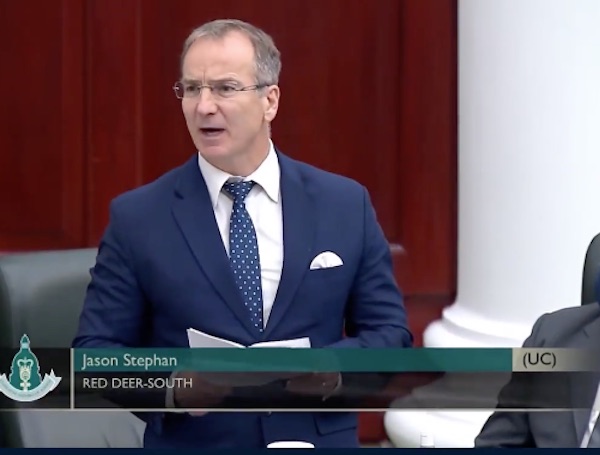
Red Deer’s Jason Stephan calls for citizen-led referendum on late-term abortion ban in Alberta

Blacked-Out Democracy: The Stellantis Deal Ottawa Won’t Show Its Own MPs
-
 Business1 day ago
Recent price declines don’t solve Toronto’s housing affordability crisis
-
 Daily Caller1 day ago
Tech Mogul Gives $6 Billion To 25 Million Kids To Boost Trump Investment Accounts
-
 National1 day ago
Canada Needs an Alternative to Carney’s One Man Show
-
 Alberta1 day ago
Alberta will defend law-abiding gun owners who defend themselves
-
 Business1 day ago
Canada’s future prosperity runs through the northwest coast
-
 Business1 day ago
Ottawa’s gun ‘buyback’ program will cost billions—and for no good reason
-
 Artificial Intelligence2 days ago
The Emptiness Inside: Why Large Language Models Can’t Think – and Never Will
-
 Alberta19 hours ago
This new Canada–Alberta pipeline agreement will cost you more than you think