
COVID-19
New Study Finds COVID-19 ‘Vaccination’ Doubles Risk of Post-COVID Death





A few days ago, the study titled Evaluation of post-COVID mortality risk in cases classified as severe acute respiratory syndrome in Brazil: a longitudinal study for medium and long term was published in Frontiers in Medicine:
Background: There are few studies in the literature evaluating post-COVID mortality in Brazil, along medium and long term, especially in those who presented severe clinical disease.
Objective: This study aims to investigate the factors associated with post-COVID mortality of severe acute respiratory syndrome (SARS) cases from 2020 to 2023 in Brazil, along medium and long term.
Methods: Retrospective cohort study using notification data of SARS classified as COVID-19 from the Brazilian National Information System, “Sistema de Vigilância Epidemiológica (SIVEP),” during the period 2020 to 2023. Data included demographics, comorbidities, vaccination status, number of COVID-19 vaccine doses, city of residence, and survival outcomes. Classic Cox, Cox mixed effects, and Cox fragility models were used to assess medium and long-term risks of dying post-COVID.
Results: In the medium and long-term periods studied, 5,157 deaths were recorded out of 15,147 reported SARS/COVID-19 cases. Of these deaths, 91.5% (N = 4,720) occurred within the first year, while 8,5% (N = 437) after the first year. People without formal education, the older adult, had higher percentages of deaths in both periods. In the medium-term post-COVID period, the risk of death was reduced by 8% for those who had been vaccinated while in the long-term post-COVID period, the risk of death almost doubled for those who had been vaccinated. While in the medium term, there was a reduction in mortality risk for those who took two or three doses, in the long term the risk of death was greater for those who took one or two doses.
Conclusion: The protective effect of COVID-19 immunization was observed up to one year after the first symptoms. After one year, the effect was reversed, showing an increased risk of death for those vaccinated. These results highlight the need for further research to elucidate the factors that contribute to these findings.
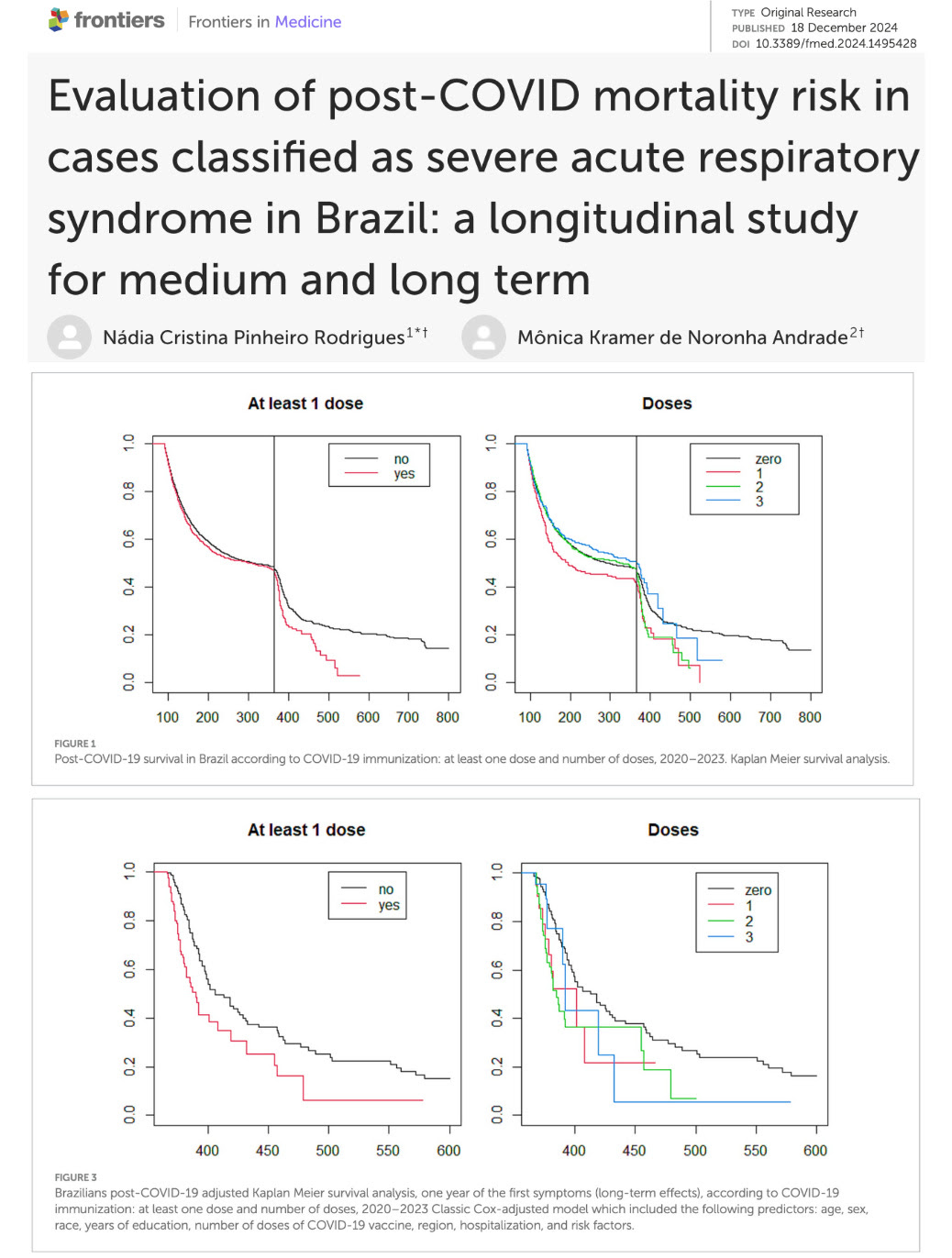 |
As illustrated in the Kaplan Meier survival curves, over the long-term, those that refused COVID-19 injections were less likely to die compared to vaccinated individuals. While vaccination initially reduced post-COVID mortality risk in the medium term, this protective effect completely reversed in the long term, ultimately doubling the risk of death.
The authors said that the ‘protective effect’ in the medium term could have been due to the following factors:
(1) Vaccination may be associated with healthier behaviors or greater health awareness. For example, vaccinated individuals may be more likely to follow other public health recommendations, such as staying up-to-date with preventive health measures, having regular medical check-ups, or adopting healthier lifestyles. This could lead to a reduction in the risk of death from other causes in the medium term.
(2) Access to healthcare – since people with comorbidities were prioritized for COVID-19 immunization, these populations may also have benefited from increased medical monitoring and access to healthcare, which may have contributed to a reduction in the risk of death from other causes.
The authors then gave possible reasons behind the complete reversal to doubling the risk of death in the long-term:
(1) Adverse effects of the vaccines – while COVID-19 vaccines have proven to be safe for the vast majority of people, there are concerns about potential long term adverse effects (although rare), such as myocarditis, thrombosis, or other rare conditions associated with vaccination. These effects may be more pronounced in some groups, particularly in more vulnerable individuals, which could contribute to an increased risk of death from other causes over time;
(2) The COVID-19 vaccine may have an indirect effect on the immune system – for people with pre-existing conditions or those with weakened immune systems (such as patients with autoimmune diseases or those on immunosuppressive treatments), the immune response to the virus may have unexpected or complex effects that increase vulnerability to other infections or lead to complications of pre-existing conditions.
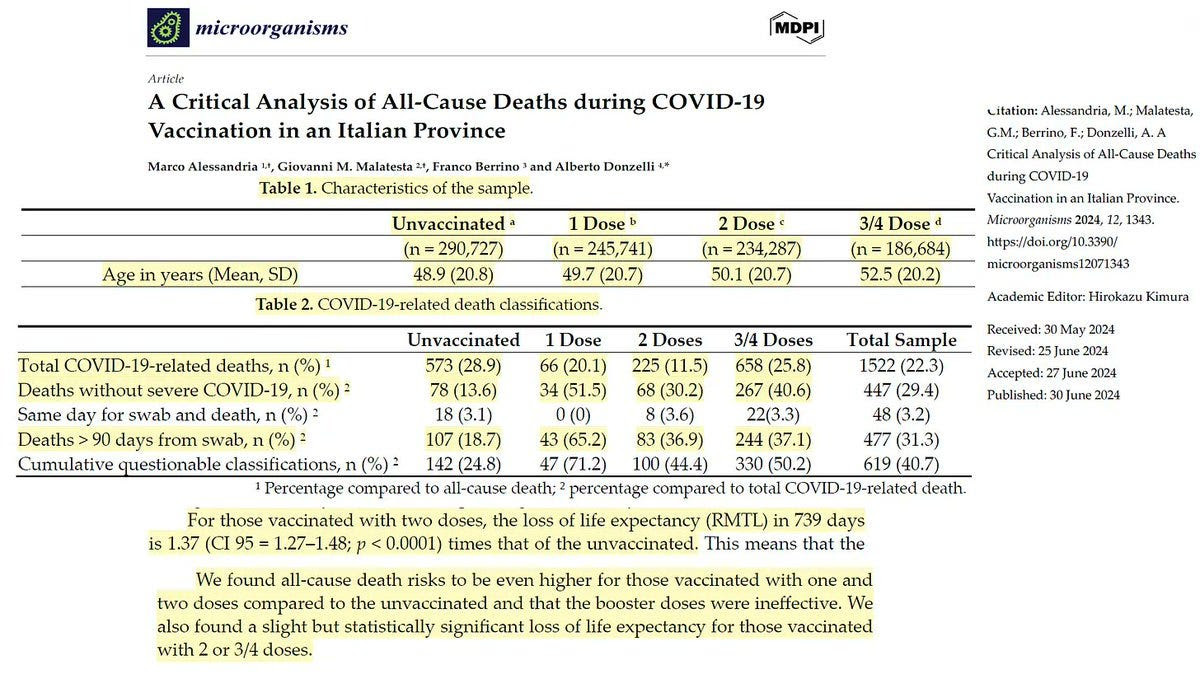
This study corroborates Alessandria et al, who found that COVID-19 ‘vaccination’ reduced life expectancy by 37% and increased all-cause death risks during the 2-year follow-up period:

 |
These data help explain why at least 17 million people may have died from COVID-19 ‘vaccination’ as demonstrated by Rancourt et al. Life-reducing injections should NOT be recommended for anyone and must be immediately removed from global markets to safeguard the public from further injury and death.
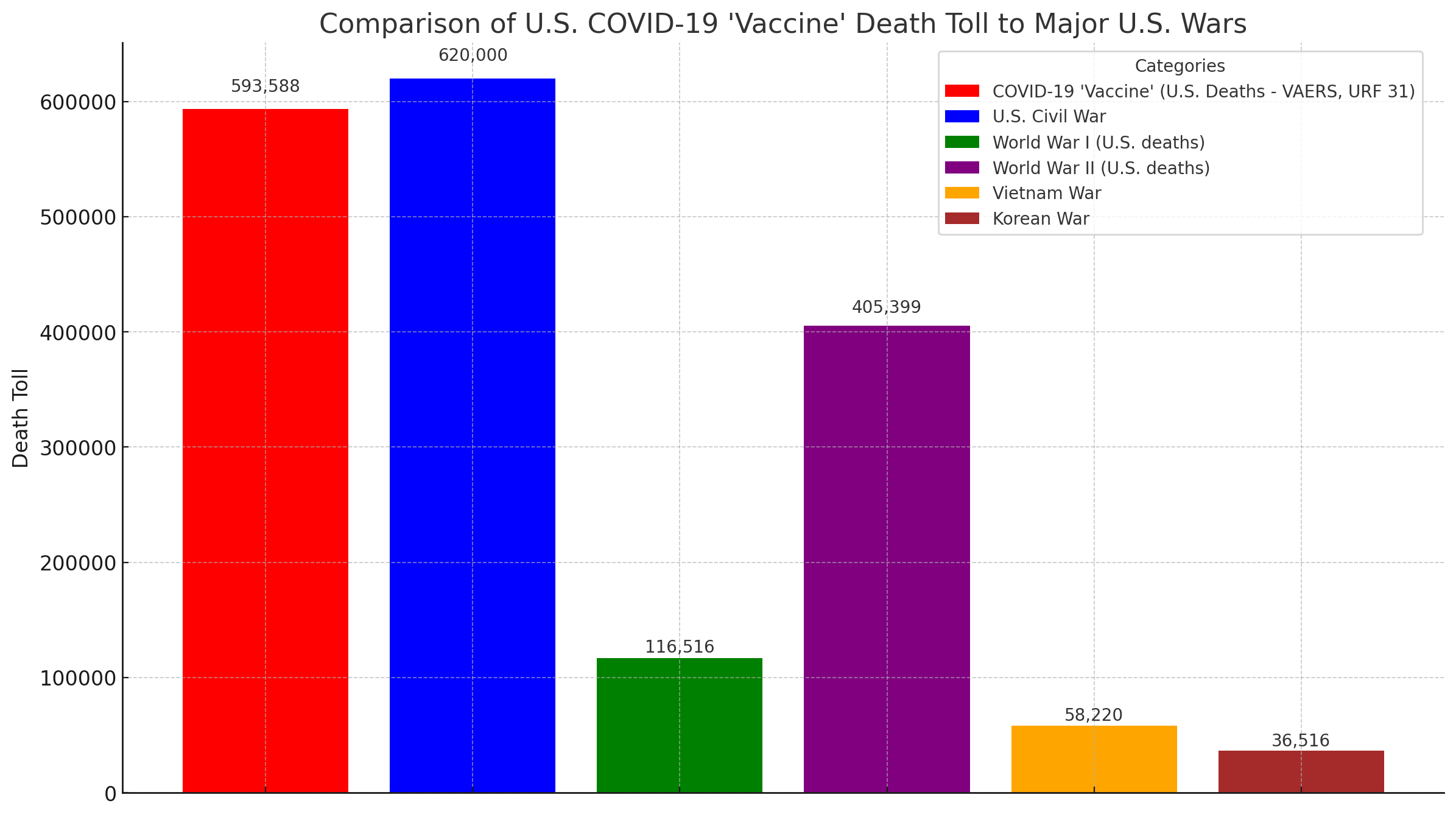
In the United States, COVID-19 genetic injections are estimated to have caused more deaths than American casualties in WWI and WWII combined. The death toll even rivals the scale of the Civil War. This is a profound national tragedy, and accountability is urgently warranted.
 |
Nicolas Hulscher, MPH
Epidemiologist and Foundation Administrator, McCullough Foundation


From LifeSiteNews
A judge ruled that the Ontario Court of Justice is already ‘satisfied’ with Chris Barber’s sentence and taking away his very livelihood would be ‘disproportionate.’
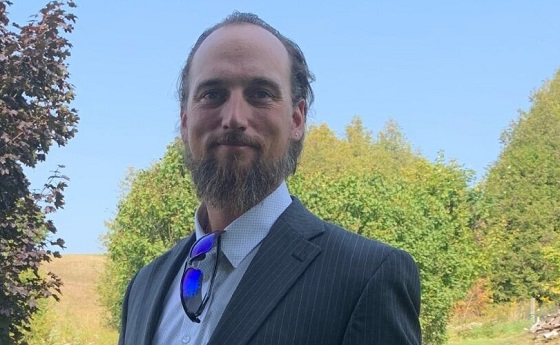
A Canadian judge has dismissed a demand from Canadian government lawyers to seize Freedom Convoy leader Chris Barber’s “Big Red” semi-truck.
On Friday, Ontario Court of Justice Judge Heather Perkins-McVey denied the Crown’s application seeking to forfeit Barber’s truck.
She ruled that the court is already “satisfied” with Barber’s sentence and taking away his very livelihood would be “disproportionate.”
“This truck is my livelihood,” said Barber in a press release sent to LifeSiteNews.
“Trying to permanently seize it for peacefully protesting was wrong, and I’m relieved the court refused to allow that to happen,” he added.
Criminal defense lawyer Marwa Racha Younes was welcoming of the ruling as well, stating, “We find it was the right decision in the circumstances and are happy with the outcome.”
John Carpay, president of the Justice Centre for Constitutional Freedoms (JCCF), said the decision is “good news for all Canadians who cherish their Charter freedom to assemble peacefully.”
READ: Freedom Convoy protester appeals after judge dismissed challenge to frozen bank accounts
“Asset forfeiture is an extraordinary power, and it must not be used to punish Canadians for participating in peaceful protest,” he added in the press release.
As reported recently by LifeSiteNews, the Canadian government claimed that Barber’s truck is an “offence-related property” relating to his involvement in the 2022 protests against Canada’s COVID mandates.
At this time, the court ruling ends any forfeiture proceedings for the time being, however Barber will continue to try and appeal his criminal conviction and house arrest sentence.
Barber’s truck, a 2004 Kenworth long-haul he uses for business, was a focal point in the 2022 protests. He drove it to Ottawa, where it was parked for an extended period of time, but he complied when officials asked him to move it.
On October 7, 2025, after a long trial, Ontario Court Justice Perkins-McVey sentenced Barber and Tamara Lich, the other Freedom Convoy leader, to 18 months’ house arrest. They had been declared guilty of mischief for their roles as leaders of the 2022 protest against COVID mandates, and as social media influencers.
Lich and Barber have filed appeals of their own against their house arrest sentences, arguing that the trial judge did not correctly apply the law on their mischief charges.
Government lawyers for the Crown have filed an appeal of the acquittals of Lich and Barber on intimidation charges.
The pair’s convictions came after a nearly two-year trial despite the nonviolent nature of the popular movement.
From LifeSiteNews
Protestor Evan Blackman’s legal team argues Trudeau’s Emergencies Act-based bank account freezes were punitive state action tied directly to protest participation.
A Freedom Convoy protester whose bank accounts were frozen by the Canadian government says a judge erred after his ruling did not consider the fact that the funds were frozen under the Emergencies Act, as grounds for a stay of proceedings.
In a press release sent out earlier this week, the Justice Centre for Constitutional Freedoms (JCCF) said that Freedom Convoy protestor Evan Blackman will challenge a court ruling in his criminal case via an appeal with the Ontario Superior Court of Justice.
“This case raises serious questions about how peaceful protest is treated in Canada and about the lasting consequences of the federal government’s unlawful use of the Emergencies Act,” noted constitutional lawyer Chris Fleury. “The freezing of protestors’ bank accounts was part of a coordinated effort to suppress dissent, and courts ought to be willing to scrutinize that conduct.”
Blackman was arrested on February 18, 2022, during the police crackdown on Freedom Convoy protests against COVID restrictions, which was authorized by the Emergencies Act (EA). The EA was put in place by former Prime Minister Justin Trudeau’s Liberal government, which claimed the protests were violent, despite no evidence that this was the case.
Blackman’s three bank accounts with TD Bank were frozen due to his participation in the Freedom Convoy, following a directive ordered by Trudeau.
As reported by LifeSiteNews, in November of this year, Blackman was convicted at his retrial even though he had been acquitted at his original trial. In 2023, Blackman’s “mischief” and “obstructing police” charges were dismissed by a judge due to lack of evidence and the “poor memory of a cop regarding key details of the alleged criminal offences.”
His retrial resulted in Blackman getting a conditional discharge along with 12 months’ probation and 122 hours of community service, along with a $200 victim fine surcharge.
After this, Blackman’s application for a stay of proceedings was dismissed by the court. He had hoped to have his stay of proceedings, under section 24(1) of the Charter of Rights and Freedoms, allowed. However, the judge ruled that the freezing of his bank accounts was legally not related to his arrest, and because of this, the stay of proceedings lacked standing.
The JCCF disagreed with this ruling, noting, it “stands in contrast to a Federal Court decision finding that the government’s invocation of the Emergencies Act was unreasonable and violated Canadians’ Charter rights, including those targeted by the financial measures used against Freedom Convoy protestors.”
As of press time, a hearing date has not been scheduled.
In 2024, Federal Court Justice Richard Mosley ruled that Trudeau was “not justified” in invoking the Emergencies Act.
In early 2022, the Freedom Convoy saw thousands of Canadians from coast to coast come to Ottawa to demand an end to COVID mandates in all forms. Despite the peaceful nature of the protest, Trudeau’s federal government enacted the EA in mid-February.
After the protesters were cleared out, which was achieved through the freezing of bank accounts of those involved without a court order as well as the physical removal and arrest of demonstrators, Trudeau revoked the EA on February 23, 2022.

Ottawa’s Newly Released Defence Plan Crosses a Dangerous Line

Carney Floor Crossing Raises Counterintelligence Questions aimed at China, Former Senior Mountie Argues
Canadian university censors free speech advocate who spoke out against Indigenous ‘mass grave’ hoax

All 12 Vaccinated vs. Unvaccinated Studies Found the Same Thing: Unvaccinated Children Are Far Healthier
-
 International2 days ago
Ottawa is still dodging the China interference threat
-
 Agriculture8 hours ago
End Supply Management—For the Sake of Canadian Consumers
-
 Business2 days ago
There’s No Bias at CBC News, You Say? Well, OK…
-
 Automotive2 days ago
Canada’s EV gamble is starting to backfire
-
 Digital ID6 hours ago
Canadian government launches trial version of digital ID for certain licenses, permits
-
 Alberta5 hours ago
Alberta Next Panel calls to reform how Canada works
-
 Business3 hours ago
The “Disruptor-in-Chief” places Canada in the crosshairs
-
 International2 days ago
2025: The Year The Narrative Changed