
Community
51 Candidates for Red Deer Municipal Election – How about a non-incumbent slate?


Mayor –
Tara Veer
Sean Burke
City Councillors-
Lynne Mulder,
Dianne Wyntjes,
Tanya Handley,
Frank Wong,
Buck Buchanan,
Ken Johnson,
Lawrence Lee,
Matt Chapin,
Jon Weiler,
Jordy Smith
Brice Unland
Doug Manderville
Matt Slubick
Sandra Bergeron
Ian Miller
Robert Friss
James Kristenson
Roberta McCoy
Vesna Higham
Kristina Maciborsky
Valdene Callin
Michael Dawe
Ted Johnson
Jeremy Richard Moore
Calvin Goulet-Jones
Jason Habuza
Cory Kingsfield
Bayo Nshombo Bayongwa

Public School Board Trustee-
Bill Stuebing ,
Bev Manning,
Bill Christie,
Cathy Peacocke,
Jim Watters,
Dianne Macaulay,
Dick Lemke
Matt Chapin
Patrick O’Connor
Jaelene Tweadle
Chris Woods
Laurette Woodward
Angela Sommers
Ben Ordman
Jason Chilibeck
Nicole Buchanan
Separate School Board Trustee-
Adrianna LaGrange,
Anne Marie Watson,
Murray Hollman
Cynthia Leyson
Kim Pasula
Carlene Smith
51 names on the ballot. 1 Councillor and 2 Separate School Trustees not running.
Paul Harris may have reason for being concerned about lack of turn over in municipal politics.
We are a city of almost 99,000 residents we can find new blood and new ideas and new energy to take this city forward. The incumbents have the advantage and the city suffers when incumbents stay beyond their best before date.
For some it is the money, there is no question there. For some it is their social circle and their comfort zone, but perhaps it is time to travel or take up another hobby. Perhaps we should consider a anti-incumbent slate? We might feel some growing pains, but it may be better in the long term?



From the Fraser Institute
By Jake Fuss and Grady Munro
There would have been 1.5 million more Canadians who donated to charity in 2023—and $755.5 million more in donations—had Canadians given to the same extent they did 10 years prior
According to recent polling, approximately one in five Canadians have skipped paying a bill over the past year so they can buy groceries. As families are increasingly hard-pressed to make ends meet, this undoubtedly means more and more people must seek out food banks, shelters and other charitable organizations to meet their basic necessities.
And each year, Canadians across the country donate their time and money to charities to help those in need—particularly around the holiday season. Yet at a time when the relatively high cost of living means these organizations need more resources, new data published by the Fraser Institute shows that the level of charitable giving in Canada is actually falling.
Specifically, over the last 10 years (2013 to 2023, the latest year of available data) the share of tax-filers who reported donating to charity fell from 21.9 per cent to 16.8 per cent. And while fewer Canadians are donating to charity, they’re also donating a smaller share of their income—during the same 10-year period, the share of aggregate income donated to charity fell from 0.55 per cent to 0.52 per cent.
To put this decline into perspective, consider this: there would have been 1.5 million more Canadians who donated to charity in 2023—and $755.5 million more in donations—had Canadians given to the same extent they did 10 years prior. Simply put, this long-standing decline in charitable giving in Canada ultimately limits the resources available for charities to help those in need.
On the bright side, despite the worrying long-term trends, the share of aggregate income donated to charity recently increased from 0.50 per cent in 2022 to 0.52 per cent in 2023. While this may seem like a marginal improvement, 0.02 per cent of aggregate income for all Canadians in 2023 was $255.7 million.
The provinces also reflect the national trends. From 2013 to 2023, every province saw a decline in the share of tax-filers donating to charity. These declines ranged from 15.4 per cent in Quebec to 31.4 per cent in Prince Edward Island.
Similarly, almost every province recorded a drop in the share of aggregate income donated to charity, with the largest being the 24.7 per cent decline seen in P.E.I. The only province to buck this trend was Alberta, which saw a 3.9 per cent increase in the share of aggregate income donated over the decade.
Just as Canada as a whole saw a recent improvement in the share of aggregate income donated, so too did many of the provinces. Indeed, seven provinces (except Manitoba, Nova Scotia and Newfoundland and Labrador) saw an increase in the share of aggregate income donated to charity from 2022 to 2023, with the largest increases occurring in Saskatchewan (7.9 per cent) and Alberta (6.7 per cent).
Canadians also volunteer their time to help those in need, yet the latest data show that volunteerism is also on the wane. According to Statistics Canada, the share of Canadians who volunteered (both formally and informally) fell by 8 per cent from 2018 to 2023. And the total numbers of hours volunteered (again, both formal and informal) fell by 18 per cent over that same period.
With many Canadians struggling to make ends meet, food banks, shelters and other charitable organizations play a critical role in providing basic necessities to those in need. Yet charitable giving—which provides resources for these charities—has long been on the decline. Hopefully, we’ll see this trend turn around swiftly.


|

|
|

|
|
|



Ottawa’s Newly Released Defence Plan Crosses a Dangerous Line

Hunting Poilievre Covers For Upcoming Demographic Collapse After Boomers
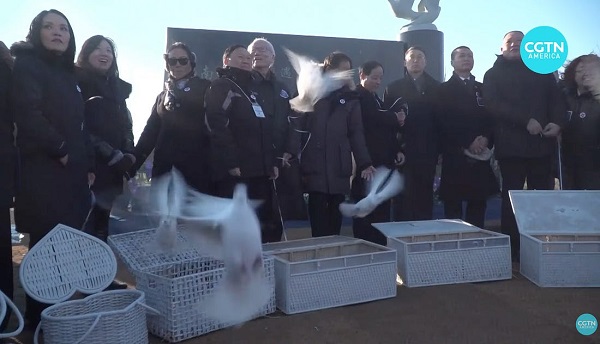
Carney Floor Crossing Raises Counterintelligence Questions aimed at China, Former Senior Mountie Argues

Canadian university censors free speech advocate who spoke out against Indigenous ‘mass grave’ hoax
-
 International1 day ago
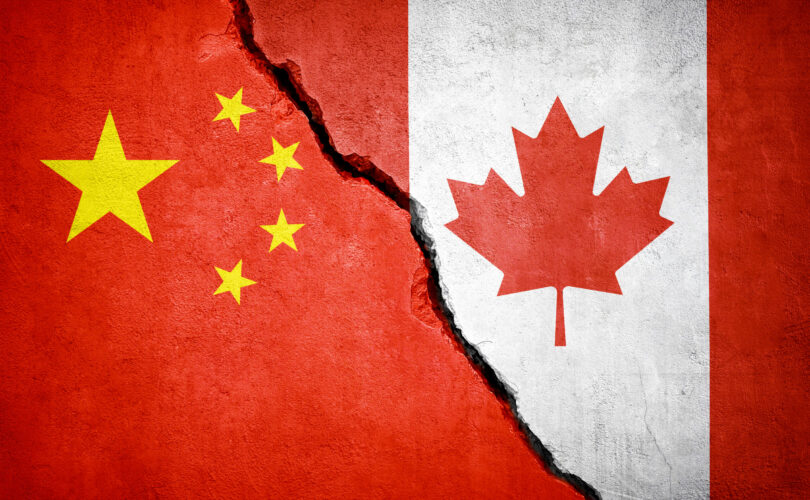
Ottawa is still dodging the China interference threat
-
 Business1 day ago
There’s No Bias at CBC News, You Say? Well, OK…
-
 Automotive1 day ago
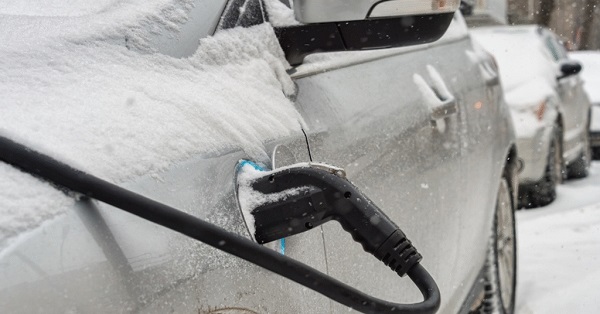
Canada’s EV gamble is starting to backfire
-
 International1 day ago
2025: The Year The Narrative Changed
-
 Business2 days ago
Residents in economically free states reap the rewards
-
 Alberta2 days ago
Alberta project would be “the biggest carbon capture and storage project in the world”
-
 Bruce Dowbiggin2 days ago
Be Careful What You Wish For In 2026: Mark Carney With A Majority
-
 Energy2 days ago
New Poll Shows Ontarians See Oil & Gas as Key to Jobs, Economy, and Trade