
Calgary
Summer is here to Stay at Calgary’s Only Indoor Beach Facility


After a fairly stagnant summer, where the typical buzz of team athletics and busy sporting fields has been largely missed due to COVID-19, the return of the winter weather is being dreaded by most.
Do not fear the cold, however, there is a way for Calgarians to beat the winter blues. The Beach YYC, Calgary’s only indoor beach recreation facility offers “a little bit of the summer, all year long”. Located in southeast Calgary at 3030-2600 Portland Street, The Beach YYC is a 23,000 square foot facility with almost 13,000 square feet of beach court space and more than 700 tons of sand.
“After the way the summer has been, where people haven’t been able to play the normal leagues and sports they usually do, people are looking for a social, fun, active thing to do.” Says Elliot Weinstein, Founder of The Beach YYC, “And here we are!”

Originally inspired by an indoor beach facility located in Vancouver, BC, Elliot decided to introduce the concept to the city of Calgary. As the fifth facility of its kind in Canada and the only one available in Alberta, The Beach YYC draws both high and low level players from across the country for everything from major tournaments to evening rec leagues. In addition to offering rec, intermediate and competitive beach volleyball leagues in co-ed and gendered divisions, the facility has 5 courts that can be adjusted to accommodate beach volleyball, Ultimate Frisbee, Spikeball and dodgeball games.

“It’s a great place for people to maintain and improve their skills during the winter months,” says Elliot, “that way they can jump right back into their summer sports when the weather changes.”
In addition to hosting regularly scheduled leagues, The Beach YYC offers kids play dates and camps, catered events such as birthdays, corporate events and beach parties, as well as weekly drop-in rates – which have been on hold due to COVID-19 but will resume when deemed appropriate.

Opened in September of 2018, The Beach YYC is now approaching its 2-year anniversary, and recently announced the opening of their beachside diner, George’s Beach Club! Named in honor of Elliot’s grandfather George, the club features a full comfort-food menu that includes delicious anomalies like the Bahn Mi Sub, the Buffalo Chicken Tater Tot Poutine, and banana splits for dessert.
Now in the final stages of securing a liquor license, George’s will soon be a full-service destination for players and friends to relax at before or after games with a pint and bite.
Don’t wait on that tropical vacation to get your toes back in the sand … everything is better at The Beach!
To learn more about The Beach YYC or to check out George’s Beach Club, now available on Skip the Dishes and Uber Eats, visit https://www.thebeachyyc.ca.
For more stories, visit Todayville Calgary.



From the Fraser Institute
By Tegan Hill and Austin Thompson
Calgary’s new mayor, Jeromy Farkas, has promised to scrap “blanket rezoning”—a policy enacted by the city in 2024 that allows homebuilders to construct duplexes, townhomes and fourplexes in most neighbourhoods without first seeking the blessing of city hall. In other words, amid an affordability crunch, Mayor Farkas plans to eliminate a policy that made homebuilding easier and cheaper—which risks reducing housing choices and increasing housing costs for Calgarian families.
Blanket rezoning was always contentious. Debate over the policy back in spring 2024 sparked the longest public hearing in Calgary’s history, with many Calgarians airing concerns about potential impacts on local infrastructure, parking availability and park space—all important issues.
Farkas argues that blanket rezoning amounts to “ignoring the community” and that Calgarians should not be forced to choose between a “City Hall that either stops building, or stops listening.” But in reality, it’s virtually impossible to promise more community input on housing decisions and build more homes faster.
If Farkas is serious about giving residents a “real say” in shaping their neighbourhood’s future, that means empowering them to alter—or even block—housing proposals that would otherwise be allowed under blanket rezoning. Greater public consultation tends to give an outsized voice to development opponents including individuals and groups that oppose higher density and social housing projects.
Alternatively, if the mayor and council reform the process to invite more public feedback, but still ultimately approve most higher-density projects (as was the case before blanket rezoning), the consultation process would be largely symbolic.
Either way, homebuilders would face longer costlier approval processes—and pass those costs on to Calgarian renters and homebuyers.
It’s not only the number of homes that matters, but also where they’re allowed to be built. Under blanket rezoning, builders can respond directly to the preferences of Calgarians. When buyers want duplexes in established neighbourhoods or renters want townhomes closer to work, homebuilders can respond without having to ask city hall for permission.
According to Mayor Farkas, higher-density housing should instead be concentrated near transit, schools and job centres, with the aim of “reducing pressure on established neighbourhoods.” At first glance, that may sound like a sensible compromise. But it rests on the flawed assumption that politicians and planners should decide where Calgarians are allowed to live, rather than letting Calgarians make those choices for themselves. With blanket rezoning, new homes are being built in areas in response to buyer and renter demand, rather than the dictates of city hall. The mayor also seems to suggest that city hall should thwart some redevelopment in established neighbourhoods, limiting housing options in places many Calgarians want to live.
The stakes are high. Calgary is not immune to Canada’s housing crisis, though it has so far weathered it better than most other major cities. That success partly reflects municipal policies—including blanket rezoning—that make homebuilding relatively quick and inexpensive.
A motion to repeal blanket rezoning is expected to be presented to Calgary’s municipal executive committee on Nov. 17. If it passes, which is likely, the policy will be put to a vote during a council meeting on Dec. 15. As the new mayor and council weigh changes to zoning rules, they should recognize the trade-offs. Empowering “the community” may sound appealing, but it may limit the housing choices available to families in those communities. Any reforms should preserve the best elements of blanket rezoning—its consistency, predictability and responsiveness to the housing preferences of Calgarians—and avoid erecting zoning barriers that have exacerbated the housing crisis in other cities.

Tegan Hill
Director, Alberta Policy, Fraser Institute

Austin Thompson

This article supplied by Troy Media.

The mayor’s controversial term is over, but a divided conservative base may struggle to take the city in a new direction
Calgary’s mayoral election went to a recount. Independent candidate Jeromy Farkas won with 91,112 votes (26.1 per cent). Communities First candidate Sonya Sharp was a very close second with 90,496 votes (26 per cent) and controversial incumbent mayor Jyoti Gondek finished third with 71,502 votes (20.5 per cent).
Gondek’s embarrassing tenure as mayor is finally over.
Gondek’s list of political and economic failures in just a single four-year term could easily fill a few book chapters—and most likely will at some point. She declared a climate emergency on her first day as Calgary’s mayor that virtually no one in the city asked for. She supported a four per cent tax increase during the COVID-19 pandemic, when many individuals and families were struggling to make ends meet. She snubbed the Dec. 2023 menorah lighting during Hanukkah because speakers were going to voice support for Israel a mere two months after the country was attacked by the bloodthirsty terrorist organization Hamas. The
Calgary Party even accused her last month of spending over $112,000 in taxpayers’ money for an “image makeover and brand redevelopment” that could have benefited her re-election campaign.
How did Gondek get elected mayor of Calgary with 176,344 votes in 2021, which is over 45 per cent of the electorate?
“Calgary may be a historically right-of-centre city,” I wrote in a recent National Post column, “but it’s experienced some unusual voting behaviour when it comes to mayoral elections. Its last three mayors, Dave Bronconnier, Naheed Nenshi and Gondek, have all been Liberal or left-leaning. There have also been an assortment of other Liberal mayors in recent decades like Al Duerr and, before he had a political epiphany, Ralph Klein.”
In fairness, many Canadians used to support the concept of balancing their votes in federal, provincial and municipal politics. I knew of some colleagues, friends and family members, including my father, who used to vote for the federal Liberals and Ontario PCs. There were a couple who supported the federal PCs and Ontario Liberals in several instances. In the case of one of my late
grandfathers, he gave a stray vote for Brian Mulroney’s federal PCs, the NDP and even its predecessor, the Co-operative Commonwealth Federation.
That’s not the case any longer. The more typical voting pattern in modern Canada is one of ideological consistency. Conservatives vote for Conservative candidates, Liberals vote for Liberal candidates, and so forth. There are some rare exceptions in municipal politics, such as the late Toronto mayor Rob Ford’s populistconservative agenda winning over a very Liberal city in 2010. It doesn’t happen very often these days, however.
I’ve always been a proponent of ideological consistency. It’s a more logical way of voting instead of throwing away one vote (so to speak) for some perceived model of political balance. There will always be people who straddle the political fence and vote for different parties and candidates during an election. That’s their right in a democratic society, but it often creates a type of ideological inconsistency that doesn’t benefit voters, parties or the political process in general.
Calgary goes against the grain in municipal politics. The city’s political dynamics are very different today due to migration, immigration and the like. Support for fiscal and social conservatism may still exist in Alberta, but the urban-rural split has become more profound and meaningful than the historic left-right divide. This makes the task of winning Calgary in elections more difficult for today’s provincial and federal Conservatives, as well as right-leaning mayoral candidates.
That’s what we witnessed during the Oct. 20 municipal election. Some Calgary Conservatives believed that Farkas was a more progressive-oriented conservative or centrist with a less fiscally conservative plan and outlook for the city. They viewed Sharp, the leader of a right-leaning municipal party founded last December, as a small “c” conservative and much closer to their ideology. Conversely, some Calgary Conservatives felt that Farkas, and not Sharp, would be a better Conservative option for mayor because he seemed less ideological in his outlook.
When you put it all together, Conservatives in what used to be one of the most right-leaning cities in a historically right-leaning province couldn’t decide who was the best political option available to replace the left-wing incumbent mayor. Time will tell if they chose wisely.
Fortunately, the razor-thin vote split didn’t save Gondek’s political hide. Maybe ideological consistency will finally win the day in Calgary municipal politics once the recount has ended and the city’s next mayor has been certified.
Michael Taube is a political commentator, Troy Media syndicated columnist and former speechwriter for Prime Minister Stephen Harper. He holds a master’s degree in comparative politics from the London School of Economics, lending academic rigour to his political insights.
Troy Media empowers Canadian community news outlets by providing independent, insightful analysis and commentary. Our mission is to support local media in helping Canadians stay informed and engaged by delivering reliable content that strengthens community connections and deepens understanding across the country


Wisdom of Our Elders: The Contempt for Memory in Canadian Indigenous Policy

Egypt, Iran ‘completely reject’ World Cup ‘Pride Match’ plan

Tanker ban politics leading to a reckoning for B.C.

Canada’s free speech record is cracking under pressure
-
 Crime8 hours ago
Terror in Australia: 12 killed after gunmen open fire on Hanukkah celebration
-
 Energy2 days ago
Canada’s future prosperity runs through the northwest coast
-
 Business15 hours ago
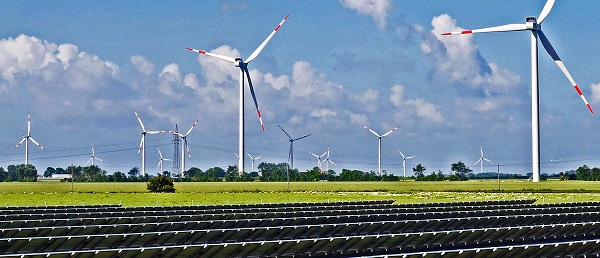
Inflation Reduction Act, Green New Deal Causing America’s Energy Crisis
-
 Crime8 hours ago
Hero bystander disarms shooter in Australian terror attack
-
 Business1 day ago
Fuelled by federalism—America’s economically freest states come out on top
-
 illegal immigration1 day ago
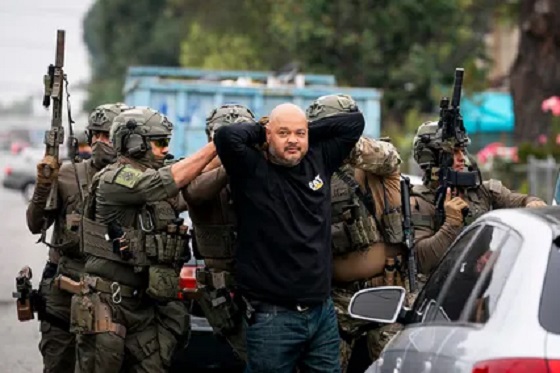
US Notes 2.5 million illegals out and counting
-
 Daily Caller1 day ago
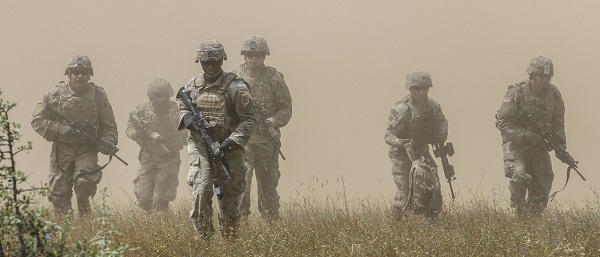
‘There Will Be Very Serious Retaliation’: Two American Servicemen, Interpreter Killed In Syrian Attack
-
 Automotive1 day ago
Politicians should be honest about environmental pros and cons of electric vehicles