
armed forces
Remembering Afghanistan and the sacrifices of our military families


We cannot forget the sacrifice of Canadian troops in Kandahar province
I guess I blame myself. I shouldn’t have watched it.
Mr. Wolf handed it to me, when I went to his house this past week, to have a Christmas get-together.
He just came back from the front in Ukraine, where he was instructing Ukrainian soldiers on landmine detection.
One of hundreds of dangerous missions, he has taken over the last several decades.
He’s Canada’s James Bond and Jason Bourne all wrapped together.
What he handed me, was a copy of Hyena Road. Just a DVD, I had never heard of.
“You should watch this,” he said.
I asked if he wanted it back, he said no, keep it.
So, what do I do? I throw it on my computer and watch it on Christmas Eve.
A time when there is joy in the world. Joy and hope.
Happiness for children. Good deeds left and right.
Families enjoying wonderful times together.
While others may be listening to Christmas music by Bing Crosby, or classic Christmas films, I’m watching a war movie!
In short, Hyena Road is a 2015 Canadian war film by Paul Gross, set in Afghanistan, focusing on a Canadian sniper, an intelligence officer, and a legendary local warrior brought together by the strategic construction of the dangerous “Hyena Road.”
It takes us on a realistic journey through Taliban territory, exploring themes of modern warfare, moral ambiguity, and the intense human cost of conflict through action and character-driven drama.
After it was over, I burst into tears. I wept.
Not just because of what I witnessed. But because of what it meant.
I immediately thought of all the Canadian military families, and also civilians, who came back from Afghanistan, in a box.
What must the Christmas-New Years holidays be like, for these families? And have we forgotten them, and what they sacrificed?
One of them was a co-worker, Michelle Lang, who died on December 30, 2009, when a roadside bomb struck the armored vehicle she was in near Kandahar, killing her and four Canadian soldiers.
I didn’t really know Michelle, or have anything much to do with her, I was a copy-editor and we had no interaction.
But from what I was told, she was a good reporter, a nice person, and she sure as hell didn’t deserve to die like that.
I still blame the management of the Calgary Herald, for sending her on this mission. Those folks — and they know who they are — will have to live with it.
As for me, I want to take the time, as a tribute to Canada’s fallen, to remember them as we approach the year 2026. All of them.
That includes 158 Canadian Armed Forces members, a diplomat, 4 aid workers, a contractor, and Michelle during Canada’s mission in Afghanistan (2001-2014).
Four Canadian soldiers were also killed in a friendly fire incident in April 2002 when a U.S. F-16 pilot mistakenly bombed their training exercise. The tragedy made international news.
The Pentagon response? A tragic accident in coalition operations. Not even a mention of Canada. No acknowledgement that Canadian families had just lost sons, brothers, fathers because of an American mistake.
And keep in mind, while other nations stationed troops in safe areas, Canada took on the toughest missions in Kandahar.
Kandahar, regional command south, where the Taliban is strongest, where combat engagements happen daily, where the dying happens.
Canadian medical evacuation helicopters, Griffins, extracted wounded soldiers from battlefields over 400 times. Canadian snipers recorded some of the longest confirmed combat kills in military history.
Canadian engineers cleared hundreds of IEDs. Canadian intelligence officers have provided targeting data for countless operations.
Former Gen. Rick Hillier once said: “ We deploy because when the fighting needs to be done, Canada doesn’t hide behind other nations’ sacrifice.
“It’s about training, professionalism, courage, and willingness to fight when the fighting gets hard.”
So, go ahead, enjoy the holidays. It’s OK to do that, and you deserve that.
But perhaps take a moment to remember the families who lost loved ones in the Afghan war, along with the many post-war suicides that followed.
I can’t even imagine, what it must be like for these folks.
______________________________
2014
Jan. 17: Civilian contractors Martin Glazer and Peter McSheffrey are killed in an attack on a Kabul restaurant.
2011
Oct. 29: Master Cpl. Byron Greff of 3rd Battalion, Princess Patricia’s Canadian Light Infantry in Edmonton dies in the suicide bombing of a NATO bus in Kabul that kills 17 people.
June 25: Master Cpl. Francis Roy is found mortally wounded by fellow soldiers at a forward operating base in Kandahar city. Enemy action is ruled out. He was a member of the Canadian Special Operations Regiment.
May 27: Bombardier Karl Manning, 31, of Chicoutimi, Que., is found dead at a remote outpost in the Zangabad area of Panjwaii district. An investigation finds his death was not the result of enemy action and no foul play is suspected. Manning was nearing the end of an almost seven-month deployment with the 1st Battalion, Royal 22e Regiment battle group.
March 27: Cpl. Yannick Scherrer, 24, of Montreal is killed by an improvised explosive device, or IED, during a foot patrol outside the village of Nakhonay. Scherrer was a member of 1st Battalion, Royal 22e Regiment, and was on his first tour of duty in Afghanistan.
2010
Dec. 18: Cpl. Steve Martin, 24, from 3rd Battalion, Royal 22e Regiment, is killed by an IED while on foot patrol near a major road construction project in a volatile district of Kandahar.
 |
Nov. 26: The Defence Department says Capt. Frank Paul, who died Feb. 10 of natural causes in Canada while on leave from Afghanistan, is considered to have been on duty and a member of the mission. He was with 28 Field Ambulance based in Ottawa and was the adjutant for the health services support unit of Joint Task Force Afghanistan.
Aug. 30: Cpl. Brian Pinksen, a reservist with 2nd Battalion of the Royal Newfoundland Regiment based in Corner Brook, N.L., dies in hospital in Germany from injuries sustained in an IED blast during an Aug. 22 patrol in Panjwaii district.
July 20: Sapper Brian Collier, 24, born in Toronto and raised in Bradford, Ont, is killed by an IED blast while on a foot patrol in the village of Nakhonay. Collier was a member of 1 Combat Engineer Regiment based at CFB Edmonton.
June 26: Master Cpl. Kristal Giesebrecht, 34, born in Wallaceburg, Ont., and Pte. Andrew Miller, 21, born in Sudbury, Ont., die when their vehicle hits an IED west of Kandahar city.
June 21: Sgt. James MacNeil, 28, of Glace Bay, N.S., is killed by an IED near the village of Nakhonay. He was based out of Petawawa with the 2 Combat Engineer Regiment.
June 6: Sgt. Martin Goudreault, 35, is killed by an IED in Panjwaii district. The native of Sudbury, Ont., was with Edmonton-based 1 Combat Engineer Regiment and in Afghanistan as part of 1st Battalion, The Royal Canadian Regiment Battle Group.
May 24: Trooper Larry Rudd, 26, of the Royal Canadian Dragoons based in Petawawa, Ont., dies after an IED detonate near the Panjwaii district village of Salavat while he was on a combat resupply patrol. He was from Brantford, Ont.
May 18: Col. Geoff Parker, 42, of the Royal Canadian Regiment and born and raised in Oakville, Ont., is killed in a car-bomb attack in Kabul. Parker was the highest-ranking soldier killed in Canada’s mission in Afghanistan.
May 14: Pte. Kevin McKay, 24, of 1st Battalion, Princess Patricia’s Canadian Light Infantry in Edmonton, is killed by an IED southwest of Kandahar city.
May 3: Petty Officer Craig Blake of Simcoe, Ont., dies after a roadside bomb detonates southwest of Kandahar city. The 37-year-old was a diver based in Shearwater, N.S.
April 11: Pte. Tyler William Todd, 26, dies in a powerful roadside bomb blast while on foot patrol southwest of Kandahar city. Todd was a member of 1st Battalion, Princess Patricia’s Canadian Light Infantry in Edmonton.
March 20: Cpl. Darren James Fitzpatrick, dies in hospital from wounds sustained in an IED blast March 6 during a foot patrol west of Kandahar city. Fitzpatrick was a member of 3rd Battalion, Princess Patricia’s Canadian Light Infantry in Edmonton.
Feb. 12: Cpl. Joshua Caleb Baker dies in a training accident on a range near Kandahar city. He was a member of 4th Battalion, Princess Patricia’s Canadian Light Infantry based in Edmonton.
Jan. 16: Sgt. John Faught, 44, dies after stepping on an IED near the village of Nakhonay. He was a member of 1st Battalion, Princess Patricia’s Canadian Light Infantry based in Edmonton.
2009
Dec. 30: Sgt. George Miok, 28; Cpl. Zachery McCormack, 21 — both of Edmonton — Sgt. Kirk Taylor, 28, of Yarmouth, N.S., and Pte. Garrett Chidley, 21, of Cambridge, Ont., are killed when their armoured vehicle hits an IED in southern Kandahar city. Canadian journalist Michelle Lang, 34, also dies.
Dec. 23: Lt. Andrew Nuttall of 1st Battalion, Princess Patricia’s Canadian Light Infantry is killed when an IED detonates southwest of Kandahar city.
Oct. 30: Sapper Steven Marshall, 24, of 11 Field Squadron, 1 Combat Engineer Regiment, based in Edmonton, is killed southwest of Kandahar city when his patrol strikes an IED.
Oct. 28: Lt. Justin Boyes, 26, of 3rd Battalion, Princess Patricia’s Canadian Light Infantry, based in Edmonton, is killed southwest of Kandahar city by an IED while leading a foot patrol.
Sept. 17: Pte. Jonathan Couturier, 23, of 2nd Battalion, Royal 22e Regiment, based in Valcartier, Que, is killed southwest of Kandahar city in a roadside blast.
Sept. 13: Pte. Patrick Lormand, 21, of 2nd Battalion, Royal 22e Regiment is killed in a roadside IED southwest of Kandahar city.
Sept. 6: Maj. Yannick Pepin, 36, of Victoriaville, Que., and Cpl. Jean-Francois Drouin, 31, born in Quebec City, are killed by a roadside bomb southwest of Kandahar city. They were based in Valcartier, Que.
Aug. 1: Cpl. Christian Bobbitt, 23, and Sapper Matthieu Allard, 21, both based in Valcartier, Que., are killed by a roadside bomb in the Zhari district west of Kandahar city.
July 16: Pte. Sebastien Courcy, 26, is killed during an operation in Panjwaii district. Courcy was a member of 2nd Battalion, Royal 22e Regiment, also known as the Van Doos, based in Valcartier, Que.
 |
July 6: Master Cpl. Pat Audet, 38, of Montreal, and Cpl. Martin Joannette, 25, of St-Calixte, Que., die in Zabul province when their helicopter crashes on takeoff. Audet was with 430 Tactical Helicopter Squadron; Joannette with 3rd Battalion, Royal 22e Regiment. Both were based at Valcartier, Que.
July 4: Master Cpl. Charles-Philippe Michaud, 28, of 2nd Battalion, Royal 22e Regiment dies in a Quebec City hospital from injuries sustained from a landmine while on foot patrol in Panjwaii district. Michaud was from Edmundston, N.B.
July 3: Cpl. Nick Bulger, 30, of 3rd Battalion, Princess Patricia’s Canadian Light Infantry, based in Edmonton, is killed by a roadside bomb in Kandahar province. Bulger was raised near Peterborough, Ont.
June 14: Cpl. Martin Dube, 35, a combat engineer of the 5e Regiment du genie de combat based at CFB Valcartier, is killed when a roadside bomb he was trying to defuse exploded.
June 8: Pte. Alexandre (Pelo) Peloquin, 20, is killed in a roadside bomb explosion during a foot patrol in Panjwaii district.
April 23: Maj. Michelle Mendes, 30, is found dead in an accommodation room at Kandahar Airfield. Mendes was an intelligence officer based in Ottawa.
April 13: Trooper Karine Blais, 21, is killed in a roadside bomb explosion in Shah Wali Kot district. Blais was just two weeks into her first tour of duty in the country.
March 20: Master Cpl. Scott Vernelli and Cpl. Tyler Crooks are killed in a blast in Zhari district; Trooper Jack Bouthillier and Trooper Corey Joseph Hayes, are killed two hours later in an explosion in the Shah Wali Kot district.
March 8: Trooper Marc Diab, 22, is killed in a roadside bomb explosion in the Shah Wali Kot district.
March 3: Warrant Officer Dennis Raymond Brown, Cpl. Dany Fortin and Cpl. Kenneth O’Quinn die when a massive explosive detonates near their armoured vehicle in Arghandab district.
Jan. 31: Sapper Sean Greenfield, 25, is killed when his armoured vehicle strikes a roadside bomb in the volatile Zhari district.
Jan. 6: Trooper Brian Richard Good is killed in an IED blast near his armoured vehicle in Shah Wali Kot district
2008
Dec. 27: Warrant Officer Gaetan Roberge and Sgt. Gregory John Kruse are killed by a roadside bomb during a security patrol in Panjwaii district.
Dec. 26: Pte. Michael Freeman is killed when his vehicle hits an IED in Zhari district.
Dec. 13: Cpl. Thomas James Hamilton, Pte. John Michael Roy Curwin and Pte. Justin Peter Jones, all members of 2nd Battalion, The Royal Canadian Regiment based at CFB Gagetown, N.B., are killed in an explosion that hits their vehicle west of Kandahar city.
Dec. 5: Cpl. Mark Robert McLaren, Pte. Demetrios Diplaros and Warrant Officer Robert Wilson are killed in Arghandab district when their armoured vehicle rolls over an IED device. All three were members of 1st Battalion, Royal Canadian Regiment, based in Petawawa, Ont.
Sept. 7: Sgt. Prescott (Scott) Shipway of 2nd Battalion, Princess Patricia’s Canadian Light Infantry based in Shilo, Man., is killed by a roadside bomb in Panjwaii district.
Sept. 3: Cpl. Andrew Grenon, Cpl. Mike Seggie and Pte. Chad Horn, all members of 2nd Battalion, Princess Patricia’s Canadian Light Infantry, are killed in an attack on their armoured vehicle in Zhari district.
Aug. 20: Sapper Stephan John Stock, Cpl. Dustin Wasden and Sgt. Shawn Eades are killed when an IED hits their vehicle in Zhari district. All three were with 12 Field Squadron, 1 Combat Engineer Regiment based in Edmonton.
Aug. 11: Master Cpl. Erin Doyle, based in Edmonton, is killed when insurgents attack a remote combat outpost in Panjwaii district.
Aug. 9: Master Cpl. Josh Roberts, an infantryman based in Shilo, Man., dies of injuries following a battle involving coalition forces, insurgents and security personnel from a civilian convoy in Zhari district.
 |
July 18: Cpl. James Hayward Arnal, based at Shilo, Man., dies in a roadside explosion during a foot patrol in Panjwaii district.
July 6: Pte. Colin William Wilmot, a military medic based in Edmonton, dies in an explosion while on foot patrol in Panjwaii district.
July 4: Cpl. Brendan Anthony Downey, a military policeman based in Dundurn, Sask., is found dead in sleeping quarters in a secret base in the Arabian desert. A non-combat casualty.
June 7: Capt. Jonathan Sutherland Snyder of Penticton, B.C., and from 1st Battalion, Princess Patricia’s Canadian Light Infantry dies after falling into a well during a night patrol in Zhari district.
June 3: Capt. Richard Steve Leary, 32, of Brantford, Ont., from 2nd Battalion, Princess Patricia’s Canadian Light Infantry, is killed in a gun battle with insurgents in Panjwaii district.
May 6: Cpl. Michael Starker, 36, of Calgary and with 15 Field Ambulance Regiment based in Edmonton is killed in a gun battle with Taliban militants outside Kandahar.
April 4: Pte. Terry John Street, 24, of Hull, Que., from 2nd Battalion, Princess Patricia’s Canadian Light Infantry, is killed when his vehicle hits an IED in Panjwaii district.
March 16: Sgt. Jason Boyes, 32, of Napanee, Ont., and with 2nd Battalion, Princess Patricia’s Canadian Light Infantry is killed by an explosion while on foot patrol in Panjwaii district.
March 11: Bombardier Jeremie Ouellet, 22, of Matane, Que., and with 1 Regiment Royal Canadian Horse Artillery in Shilo, Man., is found dead at Kandahar Airfield. Military says death not related to combat.
March 2: Trooper Michael Yuki Hayakaze, 25, from Lord Strathcona’s Horse in Edmonton is killed by roadside bomb in Mushan west of Kandahar city.
Jan. 23: Sapper Etienne Gonthier, 21, of St-Georges, Que., and serving with 5e Regiement du Genie de Combat, is killed when light armoured vehicle is hit by roadside bomb in Panjwaii district.
 |
Jan. 15: Trooper Richard Renaud, 26, of Alma Que., a member of the 12e Regiment blinde du Canada, is killed when his light armoured vehicle is hit by a roadside bomb while on patrol in the Arghandab district.
Jan. 6: Warrant Officer Hani Massouh, 41, and Cpl. Eric Labbe, 31, of 2nd Battalion, Royal 22e Regiment, are killed when their armoured vehicle rolls over in wet, rugged terrain southwest of Kandahar City.
2007
Dec. 30: Gunner Jonathan Dion, 27, with the 5th Regiment d’Artillerie legere du Canada, is killed when his vehicle hits a roadside bomb.
Nov. 17: Cpl. Nicolas Raymond Beauchamp of 5 Field Ambulance in Valcartier and Pte. Michel Levesque of the Royal 22e Regiment, are killed when their light armoured vehicle hits a roadside bomb.
Sept. 24: Cpl. Nathan Hornburg, 24, with the King’s Own Calgary regiment, is killed by a mortar shell while trying to repair a Leopard tank.
Aug. 29: Maj. Raymond Ruckpaul dies from a gun shot inside a secure NATO compound in Kabul.
Aug. 22: Master Warrant Officer Mario Mercier and Master Cpl. Christian Duchesne are killed by a roadside bomb west of Kandahar city.
Aug. 19: Pte. Simon Longtin is killed by a roadside bomb west of Kandahar city.
July 4: Cpl. Cole Bartsch, Capt. Matthew Johnathan Dawe, Pte. Lane Watkins, Cpl. Jordan Anderson, Master Cpl. Colin Bason and Capt. Jefferson Francis are killed by a roadside bomb west of Kandahar city.
June 20: Sgt. Christos Karigiannis, Cpl. Stephen Frederick Bouzane and Pte. Joel Vincent Wiebe are killed by a roadside bomb west of Kandahar city.
June 11: Trooper Darryl Caswell is killed by a roadside bomb north of Kandahar city.
May 30: Master Cpl. Darrell Jason Priede is killed when a U.S. helicopter is reportedly shot down by the Taliban in Helmand province.
May 25: Cpl. Matthew McCully is killed by an IED in Zhari district.
April 18: Master Cpl. Anthony Klumpenhouwer, who served with elite special forces, dies after falling from a communications tower while conducting surveillance in Kandahar city. A subsequent investigation concluded Klumpenhouwer was knocked from the tower by a surge of electricity.
April 11: Master Cpl. Allan Stewart and Trooper Patrick James Pentland are killed when their light armoured vehicle strikes an IED.
April 8: Sgt. Donald Lucas, Cpl. Aaron E. Williams, Pte. Kevin Kennedy, Pte. David Greenslade, Cpl. Christopher Stannix and Cpl. Brent Poland are killed when their vehicle hits a roadside bomb.
March 6: Cpl. Kevin Megeney is killed in an accidental shooting at the NATO base in Kandahar.
2006
Nov. 27: Chief Warrant Officer Bobby Girouard and Cpl. Albert Storm are killed by suicide car bomber.
Oct. 14: Sgt. Darcy Tedford and Pte. Blake Williamson are killed in an ambush.
Oct. 7: Trooper Mark Andrew Wilson is killed by a roadside bomb.
Oct. 3: Sgt. Craig Gillam and Cpl. Robert Mitchell are killed in mortar and rocket attack.
Sept. 29: Pte. Josh Klukie is killed by an explosion in Panjwaii district while on foot patrol.
Sept. 18: Pte. David Byers, Cpl. Shane Keating, Cpl. Keith Morley and Cpl. Glen Arnold are killed in a suicide bicycle bomb attack while on foot patrol in Panjwaii district.
Sept. 4: Pte. Mark Graham is killed when two NATO planes accidentally strafe Canadian troops in Panjwaii district.
Sept. 3: Sgt. Shane Stachnik, Warrant Officer Frank Robert Mellish, Pte. William Cushley and Warrant Officer Richard Francis Nolan are killed in fighting in Panjwaii district.
Aug. 22: Cpl. David Braun is killed in a suicide attack.
Aug. 11: Cpl. Andrew Eykelenboom is killed in a suicide attack.
Aug. 9: Master Cpl. Jeffrey Walsh is killed by apparent accidental discharge of rifle.
Aug. 5: Master Cpl. Raymond Arndt is killed when his G-Wagon patrol vehicle collides with a truck.
Aug. 3: Cpl. Christopher Reid is killed by a roadside bomb. Sgt. Vaughan Ingram, Cpl. Bryce Keller and Pte. Kevin Dallaire are killed in a rocket-propelled grenade attack.
July 22: Cpl. Francisco Gomez and Cpl. Jason Warren are killed when a car packed with explosives rams their armoured vehicle.
July 9: Cpl. Anthony Boneca is killed in a firefight.
May 17: Capt. Nichola Goddard is killed in a Taliban ambush.
April 22: Cpl. Matthew Dinning, Bombardier Myles Mansell, Lt. William Turner and Cpl. Randy Payne are killed when their G-Wagon is destroyed by a roadside bomb.
March 29: Pte. Robert Costall killed in a firefight with the Taliban.
March 2: Cpl. Paul Davis and Master Cpl. Timothy Wilson are killed when their armoured vehicle runs off the road.
Jan. 15: Glyn Berry, British-born Canadian diplomat, is killed in a suicide bombing.
2005
Nov. 24: Pte. Braun Woodfield is killed when his armoured vehicle rolls over.
2004
Jan. 27: Cpl. Jamie Murphy is killed in a suicide bombing while on patrol.
2003
Oct. 2: Sgt. Robert Short and Cpl. Robbie Beerenfenger are killed in a roadside bombing.
2002
April 18: Sgt. Marc Leger, Cpl. Ainsworth Dyer, Pte. Richard Green and Pte. Nathan Smith are killed when a U.S. F-16 fighter mistakenly bombs Canadians.
Donations can be made to: https://woundedwarriors.ca/
THE MAKICHUK REPORT is free today. But if you enjoyed this post, you can tell THE MAKICHUK REPORT that their writing is valuable by pledging a future subscription. You won’t be charged unless they enable payments.


From the Frontier Centre for Public Policy
By David Redman
Canada’s Defence Mobilization Plan blurs legal lines, endangers untrained civil servants, and bypasses provinces. The Plan raises serious questions about military overreach, readiness, and political motives behind rushed federal emergency planning.
The new defence plan looks simple on paper. The risks are anything but.
Canadians have grown used to bad news about the Canadian Armed Forces (CAF), but the newly revealed defence mobilization plan is in a category of its own.
After years of controversy over capability, morale, and leadership challenges, the military’s senior ranks now appear willing to back a plan that misunderstands emergency law, sidelines provincial authority, and proposes to place untrained civil servants in harm’s way.
The document is a Defence Mobilization Plan (DMP), normally an internal framework outlining how the military would expand or organize its forces in a major crisis.
The nine-page plan was dated May 30, 2025, but only reached public view when media outlets reported on it. One article reports that the plan would create a supplementary force made up of volunteer public servants from federal and provincial governments. Those who join this civil defence corps would face less restrictive age limits, lower fitness requirements, and only five days of training per year. In that time, volunteers would be expected to learn skills such as shooting, tactical movement, communicating, driving a truck, and flying a drone. They would receive medical coverage during training but not pensionable benefits.
The DMP was circulated to 20 senior commanders and admirals, including leaders at NORAD, NATO, special forces, and Cybercom. The lack of recorded objection can reasonably raise concerns about how thoroughly its implications were reviewed.
The legal context explains much of the reaction. The Emergencies Act places responsibility for public welfare and public order emergencies on the provinces and territories unless they request federal help. Emergency response is primarily a provincial role because provinces oversee policing, natural disaster management, and most front-line public services. Yet the DMP document seems to assume federal and military control in situations where the law does not allow it. That is a clear break from how the military is expected to operate.
The Emergency Management Act reinforces that civilian agencies lead domestic emergencies and the military is a force of last resort. Under the law, this means the CAF is deployed only after provincial and local systems have been exhausted or cannot respond. The Defence Mobilization Plan, however, presents the military as a routine responder, which does not match the legal structure that sets out federal and provincial roles.
Premiers have often turned to the military first during floods and fires, but those political habits do not remove the responsibility of senior military leaders to work within the law and respect their mandate.
Capacity is another issue. Combat-capable personnel take years to train, and the institution is already well below its authorized strength. Any task that diverts resources from readiness weakens national defence, yet the DMP proposes to assign the military new responsibilities and add a civilian component to meet them.
The suggestion that the military and its proposed civilian force should routinely respond to climate-related events is hard to square with the CAF’s defined role. It raises the question of whether this reflects policy misjudgment or an effort to apply military tools to problems that are normally handled by civilian systems.
The plan also treats hazards unrelated to warfighting as if the military is responsible for them. Every province and territory already has an emergency management organization that monitors hazards, coordinates responses and manages recovery. These systems use federal support when required, but the military becomes involved only when they are overwhelmed. If Canada wants to revive a 1950s-style civil defence model, major legislative changes would be needed. The document proceeds as if no such changes are required.
The DMP’s training assumptions deepen the concerns. Suggesting that tasks such as “shooting, moving, communicating, driving a truck and flying a drone” can be taught in a single five-day block does not reflect the standards of any modern military. These skills take time to learn and years to master.
The plan also appears aligned with the government’s desire to show quick progress toward NATO’s defence spending benchmark of two percent of GDP and eventually five percent. Its structure could allow civil servants’ pay and allowances to be counted toward defence spending.
Any civil servant who joins this proposed force would be placed in potentially hazardous situations with minimal training. For many Canadians, that level of risk will seem unreasonable.
The fact that the DMP circulated through senior military leadership without signs of resistance raises concerns about accountability at the highest levels. That the chief of the defence staff reconsidered the plan only after public criticism reinforces those concerns.
The Defence Mobilization Plan risks placing civil servants in danger through a structure that appears poorly conceived and operationally weak. The consequences for public trust and institutional credibility are becoming difficult to ignore.
David Redman had a distinguished military career before becoming the head of the Alberta Emergency Management Agency in 2004. He led the team in developing the 2005 Provincial Pandemic Influenza Plan. He retired in 2013. He writes here for the Frontier Centre for Public Policy.
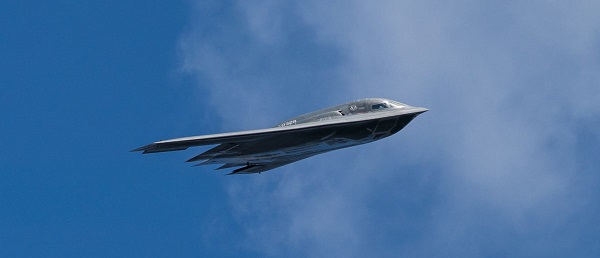

From the Daily Caller News Foundation
The global war business scored record revenues in 2024 amid multiple protracted proxy conflicts across the world, according to a new industry analysis released on Monday.
The top 100 arms manufacturers in the world raked in $679 billion in revenue in 2024, up 5.9% from the year prior, according to a new Stockholm International Peace Research Institute (SIPRI) study. The figure marks the highest ever revenue for manufacturers recorded by SIPRI as the group credits major conflicts for supplying the large appetite for arms around the world.
“The rise in the total arms revenues of the Top 100 in 2024 was mostly due to overall increases in the arms revenues of companies based in Europe and the United States,” SIPRI said in their report. “There were year-on-year increases in all the geographical areas covered by the ranking apart from Asia and Oceania, which saw a slight decrease, largely as a result of a notable drop in the total arms revenues of Chinese companies.”
Notably, Chinese arms manufacturers saw a large drop in reported revenues, declining 10% from 2023 to 2024, according to SIPRI. Just off China’s shores, Japan’s arms industry saw the largest single year-over-year increase in revenue of all regions measured, jumping 40% from 2023 to 2024.
American companies dominate the top of the list, which measures individual companies’ revenue, with Lockheed Martin taking the top spot with $64,650,000,000 of arms revenue in 2024, according to the report. Raytheon Technologies, Northrop Grumman and BAE Systems follow shortly after in revenue,
The Czechoslovak Group recorded the single largest jump in year-on-year revenue from 2023 to 2024, increasing its haul by 193%, according to SIPRI. The increase is largely driven by their crucial role in supplying arms and ammunition to Ukraine.
The Pentagon contracted one of the group’s subsidiaries in August to build a new ammo plant in the U.S. to replenish artillery shell stockpiles drained by U.S. aid to Ukraine.
“In 2024 the growing demand for military equipment around the world, primarily linked to rising geopolitical tensions, accelerated the increase in total Top 100 arms revenues seen in 2023,” the report reads. “More than three quarters of companies in the Top 100 (77 companies) increased their arms revenues in 2024, with 42 reporting at least double-digit percentage growth.”

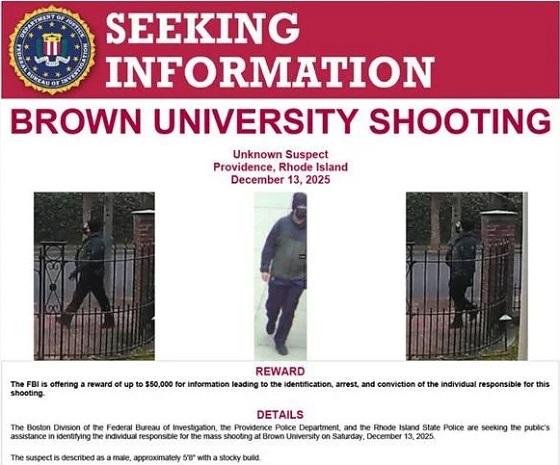
Brown University shooter dead of apparent self-inflicted gunshot wound

Canada Hits the Brakes on Population

Alberta’s new diagnostic policy appears to meet standard for Canada Health Act compliance

Why is Canada paying for dairy ‘losses’ during a boom?

Geopolitics no longer drives oil prices the way it used to
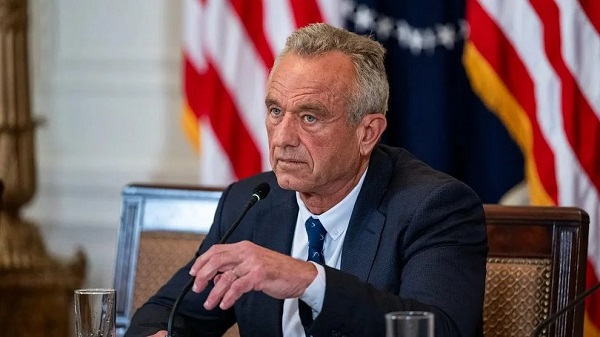
RFK Jr reversing Biden-era policies on gender transition care for minors

Trump signs order reclassifying marijuana as Schedule III drug
-
 International2 days ago
Georgia county admits illegally certifying 315k ballots in 2020 presidential election
-
 Alberta2 days ago
A Christmas wish list for health-care reform
-
 Business1 day ago
Some Of The Wackiest Things Featured In Rand Paul’s New Report Alleging $1,639,135,969,608 In Gov’t Waste
-
 Energy1 day ago
‘The electric story is over’
-
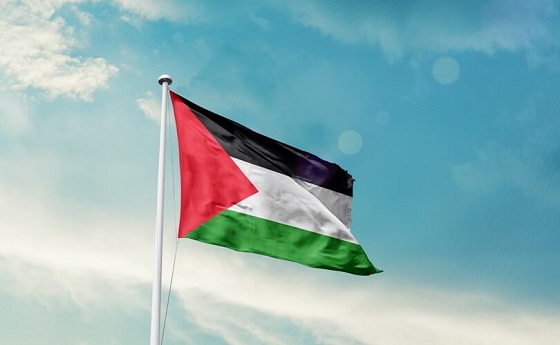 Alberta2 days ago
Calgary’s new city council votes to ban foreign flags at government buildings
-
 Alberta24 hours ago
Ottawa-Alberta agreement may produce oligopoly in the oilsands
-
 Energy22 hours ago
Western Canada’s supply chain for Santa Claus
-
 Business2 days ago
Warning Canada: China’s Economic Miracle Was Built on Mass Displacement