
Also Interesting
From Coast to Coast: Inside Canada’s Gambling Culture

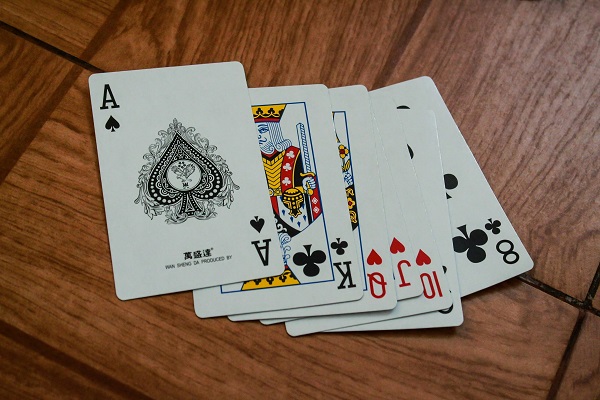
Just recently, Statista released a report claiming that the Canadian casino market could hit US$9.57 billion by the end of 2025. If things go well for this sector, it could continue growing by a CAGR of 2.95%, translating to a market size of about US$17.51 billion by 2029. This is just to show you how gambling has become ingrained in this country’s culture.
And while gambling might not be the first thing that comes to mind when you think of Canada, this country’s residents have been engaging in games of chance since time immemorial. Looking at the statistics, studies show that close to six in ten Canadians participate in some kind of gambling.
And in this digital age, accessing gambling experiences has never been as convenient. Can you imagine that, by simply clicking a few buttons on their phones, players can access the best online gambling sites from anywhere at any time? Considering all these factors, you definitely want to stay around and explore this colourful world.
Where It All Began
As already mentioned, gambling is not a thing of yesterday in Canada. Indigenous people would engage in the Slahal game using the foreleg bone of a deer or similar animal. There were two sets of bones: one striped and another unstripped.
The game involved players singing songs while hiding the striped and unstriped bones in their hands. An opposing team would try to guess the hand holding the unstripped bone, and if they guessed right, they took the bones. If their guess was wrong, they handed over one of their sticks, which they used for scoring. This game would continue until one of the teams had all the scoring sticks.
After several years, colonists’ gambling games, such as dice games, came to the scene. This was followed by changes in regulations, which dramatically impacted the country’s gambling culture. A good example is when the government enacted the Canadian Criminal Code in 1892 to prohibit gambling games. However, the following years saw some games like raffles excluded. In 1920, racetrack betting using the pari-mutuel system was reintroduced, and certain games of chance were permitted at agricultural fairs and exhibitions.
Other major shake-ups came in 1938, when Canada allowed games of chance at bona fide social clubs. About 16 years later, the three-card monte, which was becoming exceedingly popular, was added to the list of prohibited games. Then came the late 1960s when the government delegated the responsibility of running lotteries to individual federal and provincial governments. These changes did not stop here, as more amendments were made over the following years, causing Canada’s gambling ecosystem to be what it is today.
Popular Physical Destinations
After the first land-based casino launched in 1989 in Winnipeg, many others would follow. Now, if you want to immerse yourself in some table games, there are over 115 options at Casino de Montreal. You’ll also find more than 3,000 slot game variations, video poker and electronic gaming machines like the electronic Texas Hold’em poker table to keep you engaged. Surprisingly, Casino de Montreal welcomes over seven million visitors annually, highlighting its undisputed reputation in Canada’s culture.
Over on the west coast is the Parq Casino, a 72000 square-foot casino spread across two floors. You may also want to take advantage of this destination’s eight award-winning restaurants and a rooftop park. If you want an exclusive experience, luxury hotels at this location will offer just that.
Then there’s Casino Nova Scotia in Halifax, where the vibe shifts again. Besides the various casino game variations, the venue embraces a maritime spirit with seafood-focused menus, music concerts and a more relaxed, welcoming atmosphere. If you intend to combine your casino gaming with some electrifying live performances at this venue, you do not want to miss the ‘Queen: It’s a Kinda Magic’ concert, which will be held on August 31, 2025.
The Age of the Internet
Like other nations, the Canadian gambling culture has not escaped the online platforms’ wave. As a result, players can now access entertainment regardless of their location – whether in Kugluktuk, Ketchikan or Nova Scotia. All they need is proper internet connectivity and a smartphone to get started.
This convenience is part of why bridgerliner.com expects the online casino market revenue to hit $3.7 billion by the end of this year (2025), a compound yearly growth rate of more than 6% since 2020. The exciting part is how these gambling providers work hard to ensure the online experiences are as realistic as possible. That’s why you may have seen most of them integrating live casino games into their product portfolios.
Besides live games, operators have also been taking advantage of technologies like artificial intelligence to improve customer experience. By using AI, an operator can monitor your online activity and extract meaningful information about your preferences that can help provide more relevant experiences. This helps to keep players more connected, as it presents the operator as caring and customer-focused. According to WiserNotify, customizing encounters like this can actually increase retention capacity by as much as 44%.
Seeing a bigger percentage of Canadians gambling shouldn’t be surprising. From the ancient days of Slahal to the contemporary age of the internet, games of chance have been adjusting and have become more accessible, allowing more Canadians to participate. Physical destinations also offer beyond-gambling experiences that keep locals and visitors returning for more, further explaining why this practice is deep-rooted in the country’s culture.



WATCH From Underdog to Top Broodmare (video)
Executive Producers Jeff Robillard (Horse Racing Alberta) and Mike Little (Shinelight Entertainment)

What began as an underdog story became a legacy of excellence. Crackers Hot Shot didn’t just race — she paved the way for future generations, and in doing so became one of the most influential producers the province has known.
The extraordinary journey of Crackers Hot Shot — once overlooked, now revered — stands as one of Alberta’s finest success stories in harness racing and breeding.
Born in humble circumstances and initially considered rough around the edges, Crackers Hot Shot overcame long odds to carve out a career that would forever impact the province’s racing industry. From a “wild, unhandled filly” to Alberta’s “Horse of the Year” in 2013, to producing foals who carry her spirit and fortitude into future generations.
Her influence ripples through Alberta’s racing and breeding landscape: from how young stock are prepared, to the aspirations of local breeders who now look to “the mare that did it” as proof that world-class talent can emerge from Alberta’s paddocks.
“Crackers Hot Shot, she had a tough start. She wasn’t much to look at when we first got her” — Rod Starkewski
“Crackers Hot Shot was left on her own – Carl Archibald heard us talking, he said ‘I’ll go get her – I live by there’. I think it took him 3 days to dig her out of the snow. She was completely wild – then we just started working on her. She really needed some humans to work with her – and get to know that people are not scary.” — Jackie Starkewski
“Crackers Hot Shot would be one of the top broodmares in Albeta percentage wise if nothing else. Her foals hit the track – they’re looking for the winners circle every time.” — Connie Kolthammer
Visit thehorses.com to learn more about Alberta’s Horse Racing industry.

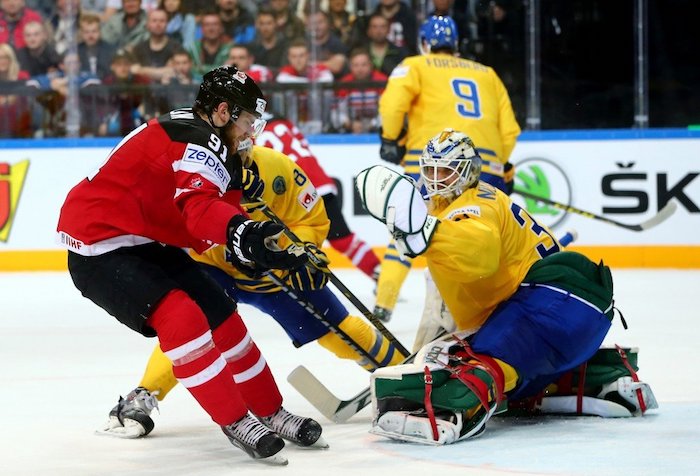
The NHL has officially confirmed the inclusion of its players in the 2026 Winter Olympics in Milan-Cortina, Italy, following a 12-year absence that left the fans craving the excitement of the real best-on-best international hockey. The announcement is a historical event, as it goes back to the Olympic arena where the hockey powerhouse nations of the world will eventually be faced with their complete NHL prowess.
The ruling has not only shaken the hockey fraternity but also the sports fraternity at large, as it has generated early predictions, betting debates, and revived rivalries. Also, such large websites as GGBet, where many fans place their bets, have also been on the lookout, offering odds and analysis on which country will win gold.
A Long-Awaited Comeback
Since the 2014 Olympics in Sochi, NHL players have not been given the chance to play in the Olympics. The spectators have since witnessed world championships that, even though competitive, did not have the superstar appeal of Olympic hockey. This decision of the league in selecting the players to Milan-Cortina is a recreation of the desires of the NHL and the international arena to become one again.
The 2026 tournament will be the one offering the excitement, talent, and passion that will be fitting among NHL players. These legends, such as Sidney Crosby, Connor McDavid, Auston Matthews, and Leon Draisaitl, could play with young players like Jack Hughes and Tim Stützle – that sort of experience and youth.
The Tournament Breakdown
The event in hockey will take place between 11 and 22 February 2026, and the team count will be 12, which will be divided into three groups:
● A: Canada, Switzerland, Czechia, France.
● B: Italy, Finland, Sweden, Slovakia.
● C: Latvia, Denmark, the US, Germany.
The teams will be playing three pre-elimination games followed by play-off, which will lead to the final match, and a gold medal will be given on February 22.
Slovakia is going to play against Finland, and Sweden against Italy. Team USA starts playing on February 12, and Team Canada plays against Czechia. The matches would all be at either the Santagiulia Ice Hockey Arena or the Rho Ice Hockey Arena, both in Milan.
Why This Moment Matters
It is not only entertainment but a legacy that the NHL has gone back to the Olympics. To the league, it reestablishes itself as the world body in professional hockey. To players, it makes their lifelong dream of playing in the national team a reality in the biggest sporting arena. And to fans, it revives the magic that made such moments as Crosby scoring his Golden Goal in Vancouver 2010 unforgettable.
Nevertheless, beyond the ice, such a move will make the NHL more global and strengthen the new generation of sportsmen. The Games of 2026 are expected to achieve a huge global following, whereby fans in North America, Europe, and other continents will be reached.
Looking Ahead
As the opening of February 2026 approaches, the teams are plotting, investigating, and preparing to contest a tournament that numerous people are calling the most competitive Olympic hockey tournament to date. The already existing dream is Canada vs. USA, Finland vs. Sweden, and national pride will clash against the NHL-type talent.
Final Thoughts
It is not a sports story, but a cultural phenomenon because NHL players are returning to the 2026 Winter Olympics. It is an embodiment of unity, excellence, and the unadulterated affection of hockey. The fans all around the world are eagerly awaiting the days when the puck will drop in Milan and they will be watching a show that has been 12 years in the making.
The tournament will not be remembered for the successive gold medals, but rather for the first face-off to the final gold medal celebration. It can be either your country that wins; it could be just watching the magic, but in any case, one thing is certain: the Olympics are back, and the game has never been this alive.

From Underdog to Top Broodmare

Canadians will soon be versed in massive West Coast LPG mega-project

Keynote address of Premier Danielle Smith at 2025 UCP AGM

‘No Critical Thinking’: Parents Sound Alarm As Tech Begins To ‘Replace The Teacher’
-
 Business20 hours ago
Recent price declines don’t solve Toronto’s housing affordability crisis
-
 Daily Caller19 hours ago
Tech Mogul Gives $6 Billion To 25 Million Kids To Boost Trump Investment Accounts
-
 National18 hours ago
Canada Needs an Alternative to Carney’s One Man Show
-
 Alberta2 days ago
New era of police accountability
-
 National2 days ago
Media bound to pay the price for selling their freedom to (selectively) offend
-
 Alberta5 hours ago
This new Canada–Alberta pipeline agreement will cost you more than you think
-
 C2C Journal2 days ago
Learning the Truth about “Children’s Graves” and Residential Schools is More Important than Ever
-
 armed forces2 days ago
Global Military Industrial Complex Has Never Had It So Good, New Report Finds