
Great Reset
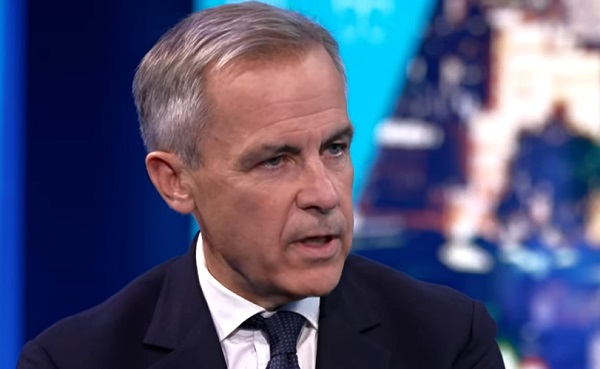
Conservative MP calls potential Trudeau successor Mark Carney a ‘globalist’

From LifeSiteNews
“In a room full of globalists, at World Economic Forum in Davos, Carney declared himself to be a European.”
A Canadian Conservative Party of Canada (CPC) MP had harsh words for Liberal Party leadership candidate Mark Carney, calling him a “globalist” who will “never” put Canada “first” and who is “Trudeau 2.0.”
“Carney wants to be the Prime Minister of Canada, but yet as recently as two years ago on the international stage, declared himself to be something other than Canadian,” CPC MP Michael Cooper said in a recent video post to his X account.
“In a room full of globalists, at World Economic Forum in Davos, Carney declared himself to be a European.”
Cooper shared a clip of Carney proudly boasting at the WEF meeting that he has “European” citizenship.
“Let that sink in for a moment. Carney wants to be the Prime Minister of Canada, the leader of our great country, yet two short years ago identified as a European,” Cooper said.
“Is that something that a proud Canadian would say? Are those the words of the leader who will put Canada first? I don’t think so.”
Cooper also said that Carney “moved his company to the U.S. and then LIED about it,” adding that this and his European comments mean he is “not in it for Canada.”
“Mark Carney is really Justin Trudeau’s 2.0 the same Mark Carney, who, by the way, has been an adviser to Justin Trudeau for years,” he said.
“In this challenging time, the last thing Canada needs is a self-described European globalist elitist.”
Carney is considered to be the frontrunner to replace Trudeau as Liberal Party leader and Prime Minister. The Liberal Party will vote for its new leader on Sunday, March 9.
As reported by LifeSiteNews, Carney has, as Cooper mentioned, admitted he is an “elitist” and a “globalist.”
Finance Minister Chrystia Freeland and two other lesser-known candidates, former House leader Karina Gould and former Liberal MP Frank Baylis, are vying to replace Trudeau as leader.
In addition to ties to the World Economic Forum, Freeland and Carney have a history of promoting or endorsing anti-life and anti-family agendas, including abortion and LGBT-related efforts.
LifeSiteNews earlier this week published a report highlighting an exposé by investigative journalist Sam Cooper, who claims there is compelling evidence Carney is strongly influenced by an “elite network” of foreign actors including those with ties to communist China and the World Economic Forum.


From StosselTV
Countries all over the world are imposing digital IDs. They tie your identity to everything you do. Spain’s Prime Minister wants “An end to anonymity online!”
Tech privacy expert Naomi Brockwell @NaomiBrockwellTV warns that’s dangerous. “Privacy is not about hiding,” she tells Stossel TV producer Kristin Tokarev. “It’s about an individual’s right to decide for themselves who gets access to their data. A Digital ID… will strip individuals of that choice.”
The new government mandated digital IDs aren’t just a digital version of your driver’s license or passport. “It connects everything,” Brockwell explains. “Your financial decisions, to your social media posts, your likes, the things that you’re watching, places that you’re going… Everything you say will be tied back to who you are.”
And once everything runs through a single government ID, access to services becomes something you need permission for. That’s already a reality in China where citizens are tracked, scored, and punished for “bad” behavior.
Brockwell warns the western world is “skyrocketing in that direction.” She says Americans need to push back now.
———
To make sure you receive the weekly video from Stossel TV, sign up here: https://www.johnstossel.com/#subscrib...
———
Censorship Industrial Complex
US Under Secretary of State Slams UK and EU Over Online Speech Regulation, Announces Release of Files on Past Censorship Efforts

Sarah Rogers’ comments draw a new line in the sand between America’s First Amendment and Europe’s tightening grip on online speech.
|
|

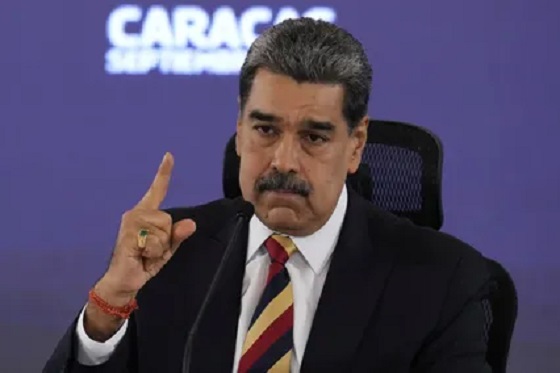
Trump confirms first American land strike against Venezuelan narco networks

The U.S. Just Removed a Dictator and Canada is Collateral Damage
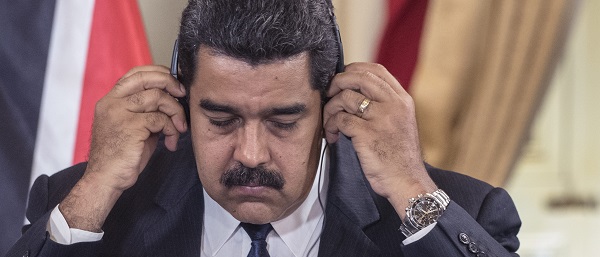
Scathing Indictment Claims Nicolás Maduro Orchestrated Drug-Fueled ‘Culture Of Corruption’ Which Plagued Entire Region

US Justice Department Accusing Maduro’s Inner Circle of a Narco-State Conspiracy
-
 Environment15 hours ago
Left-wing terrorists sabotage German power plant, causing massive power outage
-
 International8 hours ago
Poilievre, Carney show support for Maduro capture as NDP’s interim leader denounces it
-
 Opinion2 days ago
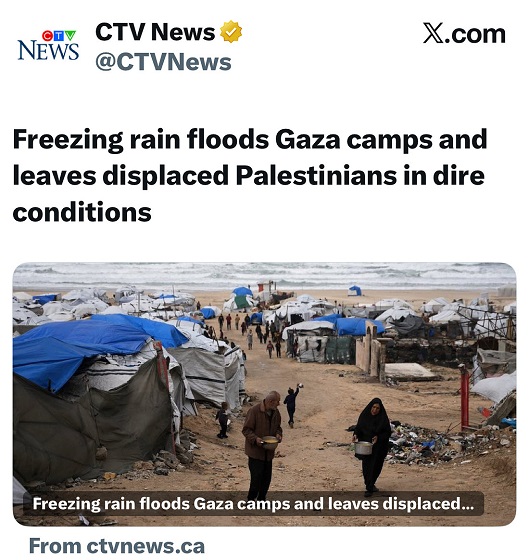
Hell freezes over, CTV’s fabrication of fake news and our 2026 forecast is still searching for sunshine
-
 Daily Caller14 hours ago
Minnesota Governor resigns from re-election campaign as massive government frauds revealed
-
 COVID-192 days ago
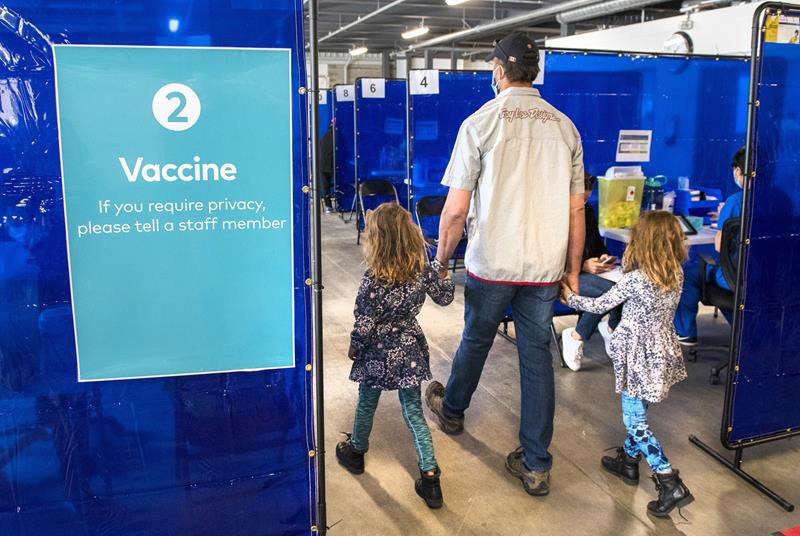
A new study proves, yet again, that the mRNA Covid jabs should NEVER have been approved for young people.
-
 Energy15 hours ago
Trump’s Venezuela Move: A $17 Trillion Reset of Global Geopolitics and a Pivotal Shift in US Energy Strategy
-
 International14 hours ago
Maduro, wife plead not guilty in first court appearance
-
 Frontier Centre for Public Policy18 hours ago
Is Canada still worth the sacrifice for immigrants?