
Entertainment
Canadian Finals Rodeo ‘Cabaret Corral’ Live Music Line-Up Announcement

The 49th Canadian Finals Rodeo (CFR 49), set to run November 1-5, 2023, is right around the corner, and we are excited to announce this year’s ‘Cabaret Corral’ country music entertainment
lineup.
With doors opening at 4:00 pm Wednesday, Thursday, Friday, and 10:30 am Saturday, the nightly free event features live music immediately following each rodeo performance in the Prairie Pavilion, showcasing some incredible Canadian talent, including:

Wednesday, November 1st – Brandon Lorenzo
Brandon Lorenzo is a homegrown country artist with a modern twist. Lorenzo was honoured with the titles of Male Vocalist of the Year and Male Entertainer of the Year at the North American
Country Music Awards International (NACMAI) in Nashville in 2023. Additionally, he has received nominations for two categories at the upcoming Jose Awards in Nashville in October. Brandon is an Eight-time Country Music Alberta Nominee, the 2020 Global Country Canada Winner and the 2020 YYC People’s Choice Award Winner.
Lorenzo released his latest single, “One of a Kind”, to country radio in August, showcasing his evolving musical style. Lorenzo has an ever-growing presence in the Canadian Country Music Industry and has gained international recognition, opening for names such as Randy Houser and Brett Kissel, to name a few. He is a rising star, leaving an indelible mark on the country music scene.

Thursday, November 2nd – Shantaia
2023 SCMA Female Artist of the Year Shantaia is a Nashville based singer/songwriter who was born and raised in the tiny town of Spiritwood, Saskatchewan. Showcasing powerful and unique vocals, Shantaia’s voice, much like her name, is unforgettable.
Shantaia recently toured with The Washboard Union, and has also opened for names such as, Kane Brown, Chris Lane, Ryan Hurd, Emerson Drive, Charlie Major and more.
Shantaia has played festivals all over Canada, including Cavendish Beach Music Festival, North by North East, Dauphin’s Country Fest, Country Thunder Saskatchewan, and because of SaskMusic
and Breakout West, Shantaia played an official Americana Fest Showcase in 2019 in Nashville.

Friday, November 3rd – Quinton Blair
Honest as a day spent on a tractor and driven like the drifting Prairie snow. A 7-time Manitoba Country Music Association award winner, Quinton Blair is a road-running, tale-spinning singer/songwriter. Playing his brand of 90s-infused country from the Shield to the Rockies.
Sharing the stage with countless Canadian and American country acts, Blair has performed his brand of a troubadour, storytelling country that carries heavy undertones both of 70’s outlaw
country and 90’s dancehall country flavour with fans all over North America.

Saturday, November 4th – Drew Gregory – Back by POPULAR Demand!
There is an undeniable authenticity and truthfulness to Drew Gregory’s music. The songs of this award-winning Alberta country music sensation are infused with a down-home realism, a gritty
honesty, and a vibrant sense of rootedness that comes from years spent working the land as a farmer – an aspect of his life that is deeply connected to his talent as a musician, singer, and
songwriter. Over his burgeoning career, to name a few, he has shared the stage and opened the concert and festival dates for Miranda Lambert, Kip Moore, Old Dominion, John Michael
Montgomery, Big & Rich, Emerson Drive, and Chad Brownlee.
These incredible artists will once again be backed by the “CFR All-Star Band,” a collection of Canadian musicians that boast dozens of Canadian Country Music Awards and CCMA Hall-of Fame Honours among them, playing with Canadian icons such as Dallas Smith, High Valley, Gord Bamford, James Barker Band, and many, many more.
The CFR Night Shift continues with the nightly Buckles Presentation at approximately 9:30 pm, and the music rolls on late into the night with DJ B-Town returning to keep the good times
going until the nightly 1:00 am last call.
Additional entertainment announcements will follow in the days ahead. All Cabaret Corral entertainment is free for everyone of all ages to attend and is the place to be for both pre and post rodeo performances at the Canadian Finals Rodeo. Find details, including performance times, at CFRRedDeer.ca.
About the CPRA: With headquarters in Airdrie, Alberta, the CPRA is the official sanctioning body for Professional Rodeo in Canada. The CPRA approves 55 events annually with a total payout exceeding $5.7 million. The organization oversees the Pro Tour Finals each fall, holds their premiere event – the Canadian Finals Rodeo (CFR) – at Westerner Park in Red Deer, AB and endorses the Maple Leaf Circuit Finals in late Nov, as part of Canadian Western Agribition.
About Westerner Park: Westerner Park is Central Alberta’s largest tradeshow, agriculture, sports, entertainment, and convention facility. A not-for-profit organization and agricultural society, Westerner Park generates $150 million annually in economic activity hosting over 1,500 events with 1.5 million visitors each year.



From the Daily Caller News Foundation
The recent leadership changes at Paramount Skydance suggest that the company may finally be ready to correct course after years of ideological drift, cultural activism posing as programming, and a pattern of self-inflicted financial and reputational damage.
Nowhere was this problem more visible than at CBS News, which for years operated as one of the most partisan and combative news organizations. Let’s be honest, CBS was the worst of an already left biased industry that stopped at nothing to censor conservatives. The network seemed committed to the idea that its viewers needed to be guided, corrected, or morally shaped by its editorial decisions.
This culminated in the CBS and 60 Minutes segment with Kamala Harris that was so heavily manipulated and so structurally misleading that it triggered widespread backlash and ultimately forced Paramount to settle a $16 million dispute with Donald Trump. That was not merely a legal or contractual problem. It was an institutional failure that demonstrated the degree to which political advocacy had overtaken journalistic integrity.
Dear Readers:
As a nonprofit, we are dependent on the generosity of our readers.
Please consider making a small donation of any amount here.
Thank you!
For many longtime viewers across the political spectrum, that episode represented a clear breaking point. It became impossible to argue that CBS News was simply leaning left. It was operating with a mission orientation that prioritized shaping narratives rather than reporting truth. As a result, trust collapsed. Many of us who once had long-term professional, commercial, or intellectual ties to Paramount and CBS walked away.
David Ellison’s acquisition of Paramount marks the most consequential change to the studio’s identity in a generation. Ellison is not anchored to the old Hollywood ecosystem where cultural signaling and activist messaging were considered more important than story, audience appeal, or shareholder value.
His professional history in film and strategic business management suggests an approach grounded in commercial performance, audience trust, and brand rebuilding rather than ideological identity. That shift matters because Paramount has spent years creating content and news coverage that seemed designed to provoke or instruct viewers rather than entertain or inform them. It was an approach that drained goodwill, eroded market share, and drove entire segments of the viewing public elsewhere.
The appointment of Bari Weiss as the new chief editor of CBS News is so significant. Weiss has built her reputation on rejecting ideological conformity imposed from either side. She has consistently spoken out against antisemitism and the moral disorientation that emerges when institutions prioritize political messaging over honesty.
Her brand centers on the belief that journalism should clarify rather than obscure. During President Trump’s recent 60 Minutes interview, he praised Weiss as a “great person” and credited her with helping restore integrity and editorial seriousness inside CBS. That moment signaled something important. Paramount is no longer simply rearranging executives. It is rethinking identity.
The appointment of Makan Delrahim as Chief Legal Officer was an early indicator. Delrahim’s background at the Department of Justice, where he led antitrust enforcement, signals seriousness about governance, compliance, and restoring institutional discipline.
But the deeper and more meaningful shift is occurring at the ownership and editorial levels, where the most politically charged parts of Paramount’s portfolio may finally be shedding the habits that alienated millions of viewers.The transformation will not be immediate. Institutions develop habits, internal cultures, and incentive structures that resist correction. There will be internal opposition, particularly from staff and producers who benefited from the ideological culture that defined CBS News in recent years.
There will be critics in Hollywood who see any shift toward balance as a threat to their influence. And there will be outside voices who will insist that any move away from their preferred political posture is regression.
But genuine reform never begins with instant consensus. It begins with leadership willing to be clear about the mission.
Paramount has the opportunity to reclaim what once made it extraordinary. Not as a symbol. Not as a message distribution vehicle. But as a studio that understands that good storytelling and credible reporting are not partisan aims. They are universal aims. Entertainment succeeds when it connects with audiences rather than instructing them. Journalism succeeds when it pursues truth rather than victory.
In an era when audiences have more viewing choices than at any time in history, trust is an economic asset. Viewers are sophisticated. They recognize when they are being lectured rather than engaged. They know when editorial goals are political rather than informational. And they are willing to reward any institution that treats them with respect.
There is now reason to believe Paramount understands this. The leadership is changing. The tone is changing. The incentives are being reassessed.
It is not the final outcome. But it is a real beginning. As the great Winston Churchill once said; “Now this is not the end. It is not even the beginning of the end. But it is, perhaps, the end of the beginning”.
For the first time in a long time, the door to cultural realignment in legacy media is open. And Paramount is standing at the threshold and has the capability to become a market leader once again. If Paramount acts, the industry will follow.
Bill Flaig and Tom Carter are the Co-Founders of The American Conservatives Values ETF, Ticker Symbol ACVF traded on the New York Stock Exchange. Ticker Symbol ACVF
Learn more at www.InvestConservative.com


|
||||||||||||||||||||||||||||||||||||||||||||||||||
|
||||||||||||||||||||||||||||||||||||||||||||||||||
|
||||||||||||||||||||||||||||||||||||||||||||||||||
|
||||||||||||||||||||||||||||||||||||||||||||||||||
|
||||||||||||||||||||||||||||||||||||||||||||||||||
|
||||||||||||||||||||||||||||||||||||||||||||||||||
|
||||||||||||||||||||||||||||||||||||||||||||||||||
|
|
||||||||||||||||||||||||||||||||||||||||||||||||||
|
||||||||||||||||||||||||||||||||||||||||||||||||||


Canadians will soon be versed in massive West Coast LPG mega-project
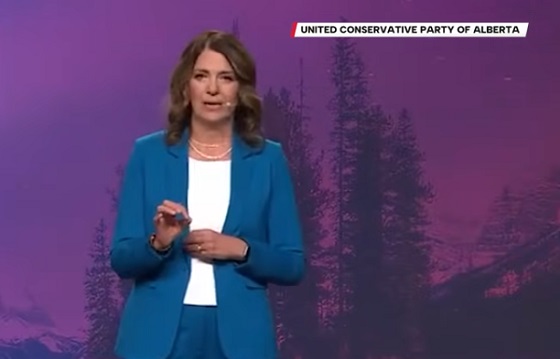
Keynote address of Premier Danielle Smith at 2025 UCP AGM
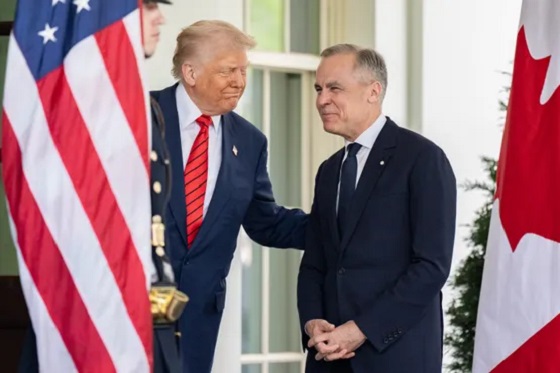
Canada Needs an Alternative to Carney’s One Man Show

Net Zero goal is a fundamental flaw in the Ottawa-Alberta MOU
-
National2 days ago
Canada Needs an Alternative to Carney’s One Man Show
-
 Alberta1 day ago
This new Canada–Alberta pipeline agreement will cost you more than you think
-
 Daily Caller2 days ago
Tech Mogul Gives $6 Billion To 25 Million Kids To Boost Trump Investment Accounts
-
 Business2 days ago
Canada’s future prosperity runs through the northwest coast
-
 Energy1 day ago
Unceded is uncertain
-
 Automotive1 day ago
Power Struggle: Governments start quietly backing away from EV mandates
-
 Business13 hours ago
Canada’s climate agenda hit business hard but barely cut emissions
-
 Alberta2 days ago
Alberta will defend law-abiding gun owners who defend themselves