
Autism
Autism Rates Reach Unprecedented Highs: 1 in 12 Boys at Age 4 in California, 1 in 31 Nationally

 Popular Rationalism
 James Lyons-Weiler
The U.S. Centers for Disease Control and Prevention (CDC) has released its 2025 report from the Autism and Developmental Disabilities Monitoring (ADDM) Network, and the findings are alarming: autism spectrum disorder (ASD) now affects 1 in 31 American 8-year-olds—the highest rate ever recorded.
For boys, the numbers are even more staggering: 1 in 20 nationwide, and 1 in 12.5 in California. The report, which tracks children born in 2014, reveals a crisis growing in severity and complexity, yet broadly unacknowledged in the national discourse.
Autism has become a public health crisis of urgent concern,” the report states plainly. And yet, government agencies have offered no new national action plan, and media coverage remains anemic.
Rapidly Accelerating Trends
In just two years, autism prevalence among 8-year-olds rose 17%, from 1 in 36 to 1 in 31. This is not an anomaly. Since the CDC began tracking autism in children born in 1992, prevalence has increased nearly fivefold, defying theories that attribute the rise solely to broader diagnostic criteria or increased awareness.
 |
The Impact of SB277 on Autism Prevalence in California
In 2015, California enacted Senate Bill 277 (SB277), which went into effect on July 1, 2016. This legislation eliminated the state’s personal belief exemption (PBE) for childhood vaccinations, making it one of only three U.S. states at the time—alongside Mississippi and West Virginia—to require full compliance with the CDC-recommended vaccine schedule for school entry, except in cases of formally approved medical exemption.
While the primary intent of SB277 was to increase vaccination rates and try to reduce outbreaks of communicable diseases like measles, its implementation has coincided with a continued—and arguably accelerated—rise in autism spectrum disorder (ASD) diagnoses in the state. Data drawn from the California Department of Developmental Services (CDDS) and CDC’s Autism and Developmental Disabilities Monitoring (ADDM) Network offer a timeline of prevalence rates before and after the law’s enactment:
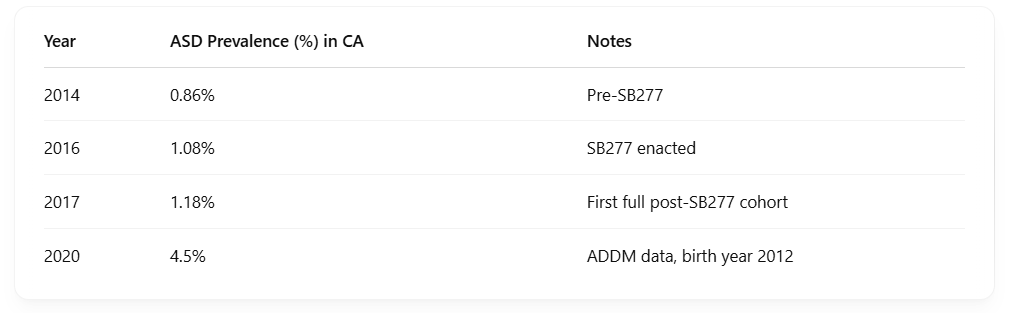 |
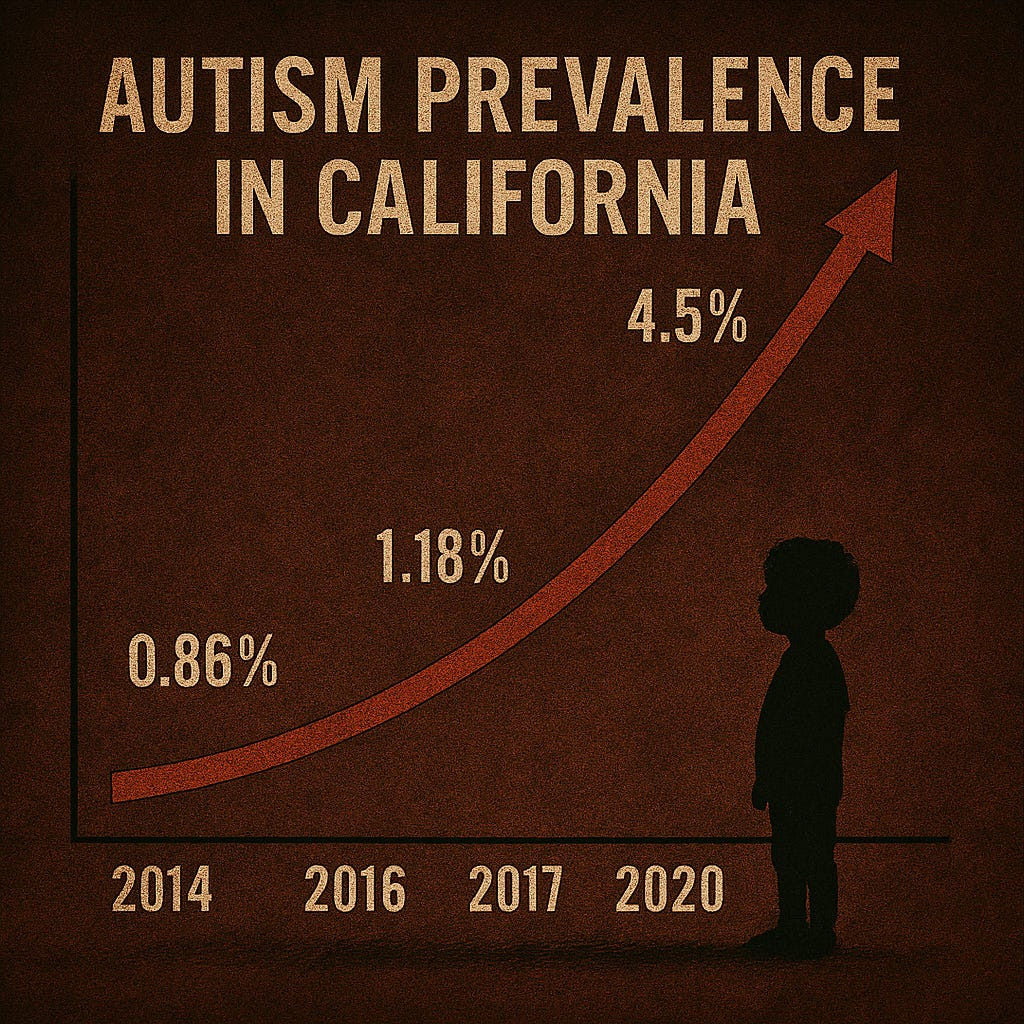
Between 2014 and 2017, ASD prevalence among young children in California increased from 0.86% to 1.18%—a 37.2% increase in just three years. By 2020, according to CDC ADDM surveillance, 4.5% of 8-year-olds in California had an autism diagnosis—the highest prevalence among all U.S. monitoring sites.
Percent Increase Post-SB277 (2016 to 2020):
From 1.08% (2016) to 4.5% (2020) = 316.7% increase
This dramatic rise cannot be definitively attributed to SB277 alone, but its temporal proximity to the policy change—which effectively compelled full vaccine schedule compliance across all demographic groups—raises serious questions. Notably, this increase occurred within California’s already robust autism tracking infrastructure (CDDS), known for conservative case identification that focuses on children with moderate to severe impairment requiring lifelong services.
While correlation does not imply causation, the magnitude and timing of California’s autism surge post-SB277 should compel further independent investigation, particularly given that:
- SB277 removed opt-out options for thousands of previously unvaccinated or selectively vaccinated children;
- The increase is most visible in 4-year-old cohorts tracked soon after the law took effect;
- California’s autism rates now exceed 1 in 12 for boys.
In light of these findings, California may now serve not only as a terrible national model for vaccine compliance—but also as a bellwether for unintended consequences of compulsory public health policy.
 |
Alarming Trends in IQ
Contrary to such assumption of ASD leading to giftedness, the ADDM data also show that the proportion of children with higher IQs is actually decreasing, while the share of children with intellectual disability (IQ ≤ 70) has risen. Nearly 2 out of 3 children (64%) diagnosed with autism in this cohort fall below the IQ 85 threshold, indicating moderate to severe impairment.
 |
These are hard realities that many will find unacceptable. Still, nationally, nearly 40% (39.6%) of 8-year-olds with ASD had IQ ≤ 70. Another 24.2% had borderline IQ (71–85). 36.1% had IQ > 85.
Since autism has a motor neuron impairment, demonstrated IQ may be an inexact measure of actual intelligence, as Spellers The Movie has taught the world.
From a clinical viewpoint, the ADDM report’s data quietly demolish the idea that autism incidence increases are driven by mild or high-functioning cases. Since the early 2000s, the proportion of cases with average or high IQ has dropped, while those with intellectual disability have surged. This trend—now reaching nearly 64%—indicates that autism’s rise is not a matter of greater sensitivity in diagnosis. Rather, it appears we are witnessing a real increase in biologically significant, disabling neurodevelopmental injury.
Reversal of Historic Ethnodemographic Trends
The report presents data on racial disparity that now represents a reversal:
Asian/Pacific Islander (3.75%), Black (3.63%), Hispanic (3.58%), and Multiracial (3.27%) 8-year-olds are now more likely to be identified with autism than White children (2.77%)
This is a complete reversal of pre-2018 trends, where White children had the highest identification rates. Children from low-income neighborhoods had higher prevalence of ASD than those from high-income areas in several states, e.g., Utah and Wisconsin
The California Signal: A Harbinger of What’s to Come?
San Diego, California, stands out as a sentinel site—and a warning. According to Supplementary Table 8 of the report, 8.87% of 4-year-old boys in California are diagnosed with autism. Further breakdown shows even more troubling disparities:
- Black boys: ~12%
- Hispanic boys: ~10.5%
- Asian boys: ~9%
- White boys: ~5.3%
These numbers imply that 1 in 8 to 1 in 10 young boys of color in California may carry an autism diagnosis by the time they reach second grade.
 |
Are Environmental Triggers Driving This?
 |
One overlooked possibility is that cumulative exposures—including the full CDC childhood vaccine schedule, lockdown-era developmental disruption, and coexisting toxicants—may act in concert to dysregulate immune and neurological development. California’s 2016 vaccine mandate removed all non-medical exemptions, making full compliance unavoidable for most working families. This timing intersects directly with birth years showing the steepest autism rises. If these policy changes are contributing, even partly, to this epidemiological shift, they demand urgent investigation—not blind defense.
The demographic disparities further reinforce the environmental hypothesis. Among 4-year-olds, autism rates among children of color now exceed those of White children by 40–90%, depending on the group and region.
Public Health Policies Under Scrutiny
Importantly, California’s strict mandate—which bars children from school or daycare without full vaccination—creates a uniquely high-exposure environment for children whose families cannot afford alternatives. These children are also more likely to be Black or Hispanic, compounding the already sharp disparities now seen in ASD prevalence. In San Diego’s 2018 birth cohort, over 1 in 10 Black and Hispanic boys have an autism diagnosis at age four. The notion that this simply reflects “better identification” strains all credibility.
Additionally, pandemic-era lockdowns, prolonged school closures, and extended masking requirements in California may have played a compounding role in disrupting normal developmental pathways for toddlers and young children during formative years.
The Cost of Inaction
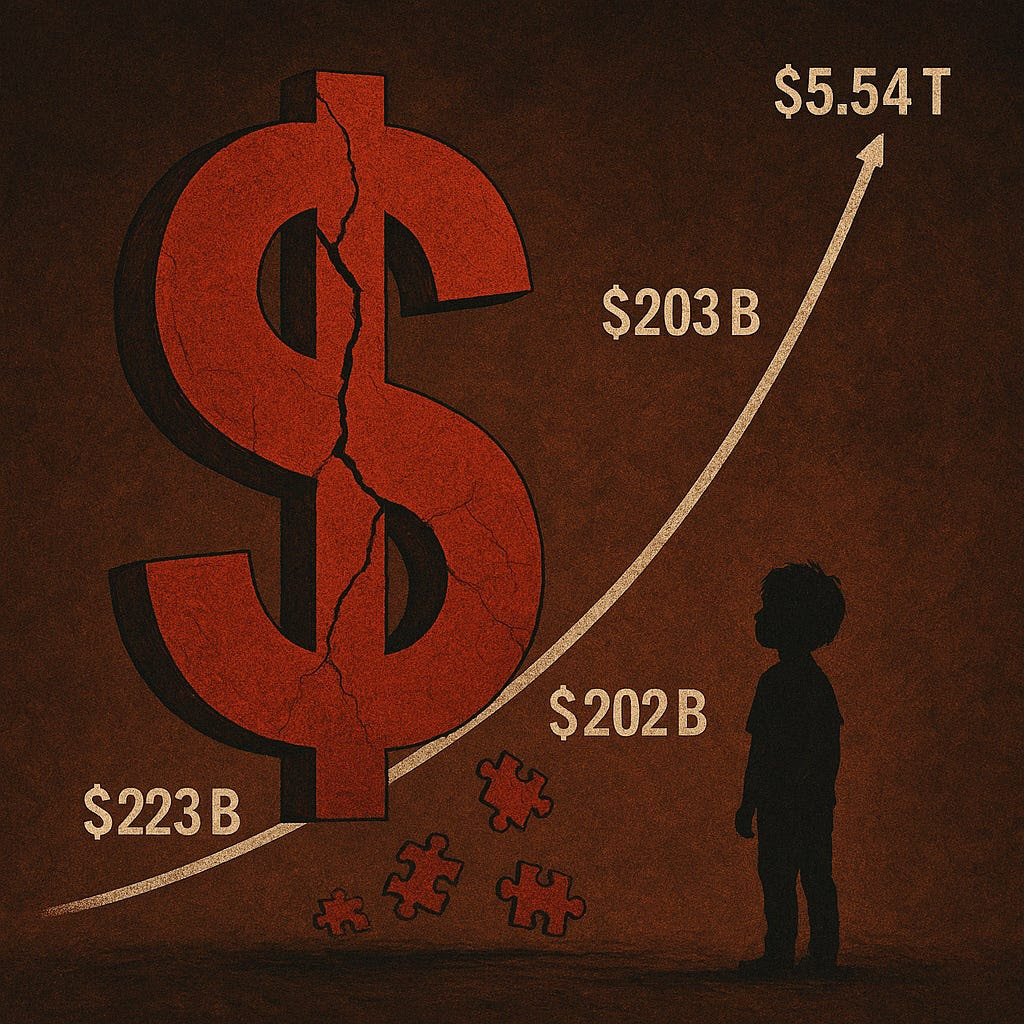
The fiscal and societal burden of autism is already astronomical. A 2020 economic model projected U.S. autism-related costs could exceed $5.5 trillion per year by 2060 if trends continue unmitigated. That estimate did not anticipate the rapid acceleration seen in this latest data.
 |
Your tax dollars have funded years of futile autism genetics research that has not led to any prevention, mitation or treatment, and any given individual genes from genome-wide association studies (GWAS) still explain only a sliver of ASD heritability. Meanwhile, evidence continues to build around plausible environmental and iatrogenic mechanisms—oxidative stress, mitochondrial dysfunction, and aluminum adjuvants, among others—without serious investment in confirming or ruling them out. If the CDC were tracking causation with the same rigor it tracks prevalence, we might already have answers.
A Turning Point?
Public health leadership now faces a choice: double down on statistical obfuscation, or finally confront the rising tide of childhood neurological injury. The tools exist—retrospective cohort comparisons, machine learning to detect risk patterns, causal inference modeling of environmental exposures, and most critically, honest, open-ended research. The CDC and NIH must stop chasing only genetic ghosts and start investigating the real, tangible environmental shifts that mirror this crisis in time.
For decades, the CDC, NIH, and IOM have promoted the idea that the rise in autism is primarily diagnostic, while excluding or downplaying environmental and iatrogenic hypotheses. But the current data—showing accelerating prevalence, worsening severity, and growing racial disparities—make this position untenable. It is now clear that narrative closure, not causal closure, has been guiding public messaging. The refusal to explore vaccine adjuvants, prenatal toxic exposures, chronic immune activation, and regulatory policy failures reflects a broken system more committed to preserving public confidence than discovering the truth.
In a striking statement during an April 2025 Cabinet meeting, Secretary of Health and Human Services Robert F. Kennedy Jr. declared,
“By September, we will know what has caused the autism epidemic and we’ll be able to eliminate those exposures.”
The promise represents a historic shift in federal tone—marking the first time in decades that a sitting health official has committed to openly investigating all plausible causes of autism, including environmental and iatrogenic exposures.
Popular Rationalism is a reader-supported publication.
To receive new posts and support my work, consider becoming a free or paid subscriber.

From the Brownstone Institute

Trump made sweeping claims that would have ended political careers in any other era. His health officials tried to narrow the edges, but the President ensured that the headlines would be his.
Autism has long been the untouchable subject in American politics. For decades, federal agencies tiptoed around it, steering research toward genetics while carefully avoiding controversial environmental or pharmaceutical questions.
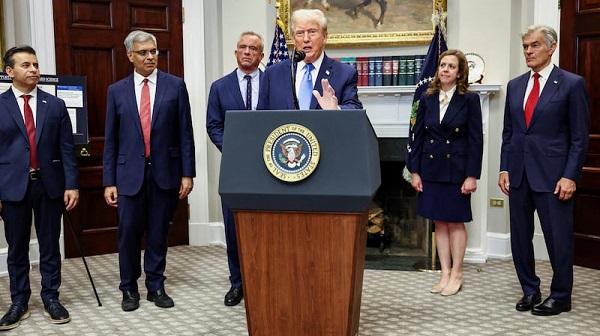
That ended at the White House this week, when President Donald Trump tore through the taboo with a blunt and sometimes incendiary performance that left even his own health chiefs scrambling to keep pace.
Flanked by Health Secretary Robert F. Kennedy, Jr., NIH Director Jay Bhattacharya, FDA Commissioner Marty Makary, CMS Adminstrator Dr Mehmet Oz, and other senior officials, Trump declared autism a “horrible, horrible crisis” and recounted its rise in startling terms.
“Just a few decades ago, one in 10,000 children had autism…now it’s one in 31, but in some areas, it’s much worse than that, if you can believe it, one in 31 and…for boys, it’s one in 12 in California,” Trump said.
The President insisted the trend was “artificially induced,” adding: “You don’t go from one in 20,000 to one in 10,000 and then you go to 12, you know, there’s something artificial. They’re taking something.”
Trump’s Blunt Tylenol Warning
The headline moment came when Trump zeroed in on acetaminophen, the common painkiller sold as Tylenol — known as paracetamol in Australia.
While Kennedy and Makary described a cautious process of label changes and physician advisories, Trump dispensed with nuance.
“Don’t take Tylenol,” Trump said flatly. “Don’t take it unless it’s absolutely necessary…fight like hell not to take it.”
Kennedy laid out the evidence base, citing “clinical and laboratory studies that suggest a potential association between acetaminophen used during pregnancy and adverse neurodevelopmental outcomes, including later diagnosis for ADHD and autism.”
Makary reinforced the point with references to the Boston Birth Cohort, the Nurses’ Health Study, and a recent Harvard review, before adding: “To quote the dean of the Harvard School of Public Health, there is a causal relationship between prenatal acetaminophen use and neurodevelopmental disorders of ADHD and autism spectrum disorder. We cannot wait any longer.”
But where the officials spoke of “lowest effective dose” and “shortest possible duration,” Trump thundered over the top: “I just want to say it like it is, don’t take Tylenol. Don’t take it if you just can’t. I mean, it says, fight like hell not to take it.”
Vaccines Back on Center Stage
The President then pivoted to vaccines, reviving arguments that the medical establishment has long sought to bury. He blasted the practice of giving infants multiple injections at a single visit.
“They pump so much stuff into those beautiful little babies, it’s a disgrace…you get a vat of 80 different vaccines, I guess, 80 different blends, and they pump it in,” Trump said.
His solution was simple: “Go to the doctor four times instead of once, or five times instead of once…it can only help.”
On the measles, mumps, and rubella shot, Trump insisted: “The MMR, I think should be taken separately…when you mix them, there could be a problem. So there’s no downside in taking them separately.”
The moment was astonishing — echoing arguments that had once seen doctors like Andrew Wakefield excommunicated from medical circles.
It was the kind of line of questioning the establishment had spent decades trying to banish from mainstream debate.
Hep B Vaccine under Attack
Trump dismissed the rationale for giving the hepatitis B vaccine at birth.
“Hepatitis B is sexually transmitted. There’s no reason to give a baby that’s just born hepatitis B [vaccine]. So I would say, wait till the baby is 12 years old,” he said.
He made clear that he was “not a doctor,” stressing that he was simply offering his personal opinion. But the move could also be interpreted as Trump choosing to take the heat himself, to shield Kennedy’s HHS from what was sure to be an onslaught of criticism.
The timing was remarkable.
Only last week, the CDC’s Advisory Committee on Immunisation Practices (ACIP) had been preparing to vote on whether to delay the hepatitis B shot until “one month” of age — a modest proposal that mainstream outlets derided as “anti-vax extremism.”
By contrast, Trump told the nation to push the jab back 12 years. His sweeping denunciations made the supposedly radical ACIP vote look almost tame.
The irony was inescapable — the same media voices who had painted Kennedy’s reshaped ACIP as reckless now faced a President willing to say far more than the panel itself dared.
A New Treatment and Big Research Push
The administration also unveiled what it deemed a breakthrough: FDA recognition of prescription leucovorin, a folate-based therapy, as a treatment for some autistic children.
Makary explained: “It may also be due to an autoimmune reaction to a folate receptor on the brain not allowing that important vitamin to get into the brain cells…one study found that with kids with autism and chronic folate deficiency, two-thirds of kids with autism symptoms had improvement and some marked improvement.”
Dr Oz confirmed Medicaid and CHIP (the Children’s Health Insurance Program, which provides low-cost health coverage to children in families that earn too much to qualify for Medicaid) would cover the treatment.
“Over half of American children are covered by Medicaid and CHIP…upon this label change…state Medicaid programs will cover prescription leucovorin around the country, it’s yours,” said Oz.
Bhattacharya announced $50 million in new NIH grants under the “Autism Data Science Initiative.”
He explained that 13 projects would be funded using “exposomics” — the study of how environmental exposures like diet, chemicals, and infections interact with our biology — alongside advanced causal inference methods.
“For too long, it’s been taboo to ask some questions for fear the scientific work might reveal a politically incorrect answer,” Bhattacharya said. “Because of this restricted focus in scientific investigations, the answers for families have been similarly restricted.”
Mothers’ Voices
The press conference also featured raw testimony from parents.
Amanda, mother of a profoundly autistic five-year-old, told Trump: “Unless you’ve lived with profound autism, you have no idea…it’s a very hopeless feeling. It’s very isolating. Being a parent with a profound autistic child, even just taking them over to your friend’s house is something we just don’t do.”
Jackie, mother of 11-year-old Eddie, said: “I’ve been praying for this day for nine years, and I’m so thankful to God for bringing the administration into our lives…I never thought we would have an administration that was courageous enough to look into things that no prior administration had.”
Their stories underscored what Kennedy said at the announcement about “believing women.” Here were mothers speaking directly about their lived reality, demanding that uncomfortable conversations could no longer be avoided.
Clashes with the Press Corps
Reporters pressed Trump on the backlash from medical groups.
Asked about the American College of Obstetricians and Gynecologists (ACOG) declaring acetaminophen safe in pregnancy, Trump shot back, “That’s the establishment. They’re funded by lots of different groups. And you know what? Maybe they’re right. I don’t think they are, because I don’t think the facts bear it out at all.”
When one journalist raised the argument that rising diagnoses reflected better recognition, Kennedy bristled,
“That’s one of the canards that has been promoted by the industry for many years,” he said. “It’s just common sense, because you’re only seeing this in people who are under 50 years of age. If it were better recognition or diagnosis, you’d see it in the seventy-year-old men. I’ve never seen this happening in people my age.”
Another reporter then asked Trump, “Should the establishment media show at least some openness to trying to figure out what the causes are?”
“I wish they would. Yeah, why are they so close-minded?” Trump replied. “It’s not only the media, in all fairness, it’s some people, when you talk about vaccines, it’s crazy…I don’t care about being attacked.”
Breaking the Spell
For years, autism policy has been shaped by caution, consensus, and deference to orthodox positions. That spell was broken at today’s press conference.
The dynamic was striking. Kennedy, Makary, Bhattacharya, and Oz leaned on scientific papers, review processes, and cautious advisories. Trump, by contrast, brushed it all aside, hammering his message home through repetition and personal anecdotes.
Trump made sweeping claims that would have ended political careers in any other era. His health officials tried to narrow the edges, but the President ensured that the headlines would be his.
“This will be as important as any single thing I’ve done,” Trump declared. “We’re going to save a lot of children from a tough life, really tough life. We’re going to save a lot of parents from a tough life.”
Whatever the science ultimately shows, the politics of autism in America will never be the same.
Republished from the author’s Substack


By John Leake
“Some 40% to 70% of mothers who have children with autism believe that their child was injured by a vaccine.”
Within medical freedom circles, much of the commentary on the September 22 press conference has focused on Tylenol being presented as the prime suspect for the autism epidemic.
While President Trump’s medical advisors chose to focus exclusively on Tylenol—therefore revealing that they have, to some degree, been captured by the Vaccine Cartel—HHS Secretary Kennedy managed to make what I believe to be the most important statement of the press conference.
Finally, autism is a complex disorder with multifactorial etiology. We are continuing to investigate a multiplicity of potential causes where no areas of taboo. One area that we are closely examining, as the president mentioned, is vaccines. Some 40% to 70% of mothers who have children with autism believe that their child was injured by a vaccine. President Trump believes that we should be listening to these mothers instead of gaslighting and marginalizing them, like prior administrations.
As Andy Wakefield has been saying for almost thirty years, the key to determining the cause of autism lies in the witness testimony of mothers.
In the matter of autism, mothers are the best witnesses because they “keep their attention fixed upon what lies nearest”—namely, the behavior, moods, and health of their infants.
It is an astonishing fact that almost none of the literature on autism devotes serious attention to case studies like that of Hannah Poling, documented by J.S. Poling, A.W. Zimmerman et al. in their seminal paper Developmental regression and mitochondrial dysfunction in a child with autism.
For the record, in the case of Hannah Poling, the U.S. Court of Federal Claims acknowledged—albeit in a deal it tried to keep secret—that the girl’s regression into autism had been caused by a large number of vaccines administered all at once.
As we document in our new book, Vaccines: Mythology, Ideology, and Reality, Hannah’s parents are far from being alone. Thousands of parents have told similar stories. Hannah’s father, Dr. Jon Poling, had the advantage of being a neurologist at the Department of Neurology and Neurosurgery at Johns Hopkins Hospital, so the U.S. government found his witness testimony impossible to dismiss.
Contrast the common practice of dismissing parents’ testimony in the matter of autism with our standard methods for investigating child abductions. When a child doesn’t come home from school, a detective doesn’t start by consulting the literature on criminology and criminal psychology. No, he interviews the child’s parents and teachers to establish a timeline and to learn about the child’s activities, social circles, habits, and interests.
At the McCullough Foundation, we are forging a new path, beyond the obscurantism of the high priesthood that has controlled the discourse about autism since it waged its calumnious campaign against Dr. Andrew Wakefield twenty years ago.
We are now getting organized to conduct a major case series study on children who had normal births, achieved all developmental milestones during their first twelve to nineteen months of life, but then regressed into autism. Though we will be very thorough and searching in our questions, our inquiry will be guided by the imperative to listen to the mothers.
This will be a major, time consuming enterprise, and we can use your support. Please click on the image below to make a tax-free donation. If you would like to donate more than $1,000., please mail a check to our McCullough Foundation office.
6320 Lyndon B. Johnson Fwy, Suite 221/ Dallas, Texas, 75240
If you are contemplating making a major donation and would like to learn about our work in greater detail, please email me at johnsearsleake@mcculloughfnd.
 |
Subscribe to FOCAL POINTS (Courageous Discourse).
For the full experience, upgrade your subscription.


A look inside the ‘floatel’ housing B.C.’s LNG workforce
Trump Deals Biden’s EV Dreams A Death Blow

Alberta will use provincial laws to stop Canadian gov’t from trying to confiscate legal firearms

FBI may have finally nabbed the Jan. 6 pipe bomber
-
 Business2 days ago
Why Does Canada “Lead” the World in Funding Racist Indoctrination?
-
 Business1 day ago
Loblaws Owes Canadians Up to $500 Million in “Secret” Bread Cash
-
 Dan McTeague1 day ago
Will this deal actually build a pipeline in Canada?
-
 Media2 days ago
They know they are lying, we know they are lying and they know we know but the lies continue
-
 Censorship Industrial Complex1 day ago
US Condemns EU Censorship Pressure, Defends X
-
 Banks1 day ago
To increase competition in Canadian banking, mandate and mindset of bank regulators must change
-
 Economy8 hours ago
Affordable housing out of reach everywhere in Canada
-
 Focal Points1 day ago
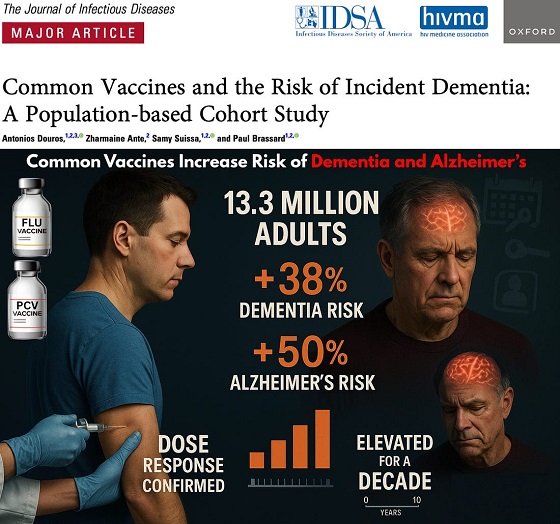
Common Vaccines Linked to 38-50% Increased Risk of Dementia and Alzheimer’s